

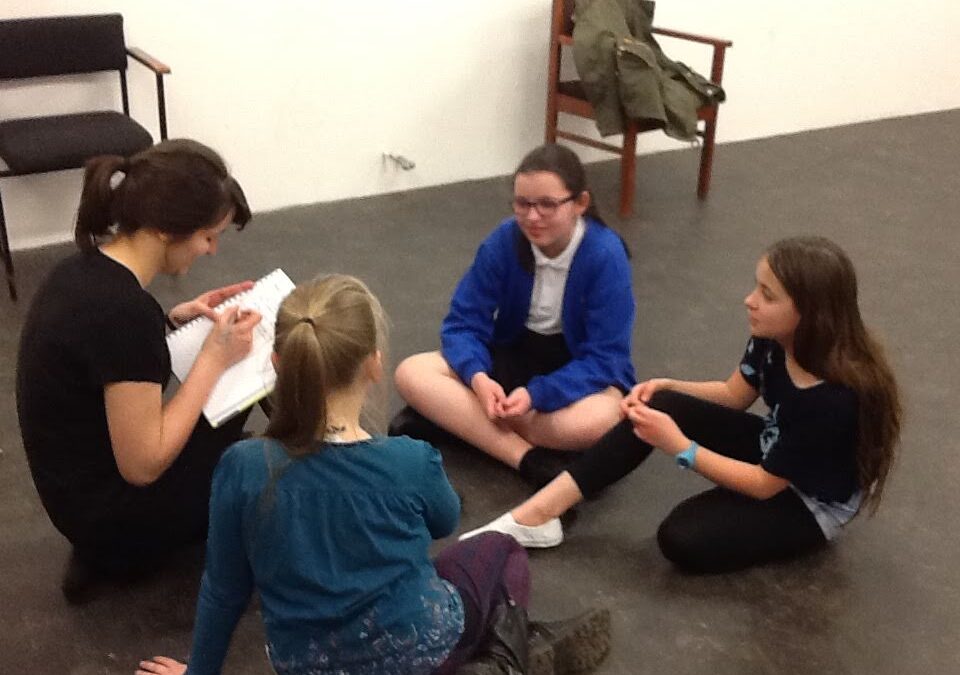
How safe does a neurodivergent child need to feel before they can say, “I’m struggling”?
This week, something quietly significant happened. A young person did more than attend their sessions. They spoke honestly about what had felt difficult. They acknowledged that the week had been unsettled. They identified what they were proud of, but they also articulated what had been hard.
That moment matters.
For many neurodivergent children and young people, admitting struggle can feel risky. It can feel exposing. In environments where output is prioritised over understanding, silence can feel safer than honesty. When expectations are rigid and performance is foregrounded, students quickly learn to mask difficulty rather than reveal it.
Creating safe spaces for communication is not accidental. It is built, modelled and reinforced consistently. When a student feels secure enough to say, “This has been a hard week,” they are demonstrating trust in the adult, trust in the environment and trust that their difficulty will not define them.
Supporting neurodivergent learners requires more than differentiation on paper. It requires emotional safety. It requires adults who understand that behaviour is communication and that context matters. It requires patience, attunement, and the willingness to listen before reacting.
When a student can openly share their current needs, something shifts in the dynamic. We move from managing behaviour to understanding experience. We move from assumption to curiosity. We respond rather than react. In doing so, we protect confidence and strengthen self-awareness.
Honest communication builds resilience because it teaches young people that their internal experience is valid. It shows them that asking for support is a skill, not a weakness. It reinforces that struggle does not erase capability. In fact, being able to articulate difficulty is a sign of growing maturity and emotional insight.
At ESB, we believe education must be responsive, not rigid. If we want neurodivergent students to regulate, to engage, and to grow, they must first feel safe enough to speak. Psychological safety is not an add-on but the foundation.
Because when a young person can say, “I’m finding this hard,” and know they will be met with understanding rather than judgment, real progress becomes possible.
If you would like to hear the full reflection behind this story, you can watch the video here:
https://youtu.be/oH1jjH_rbn8
Creative Pathway Methodology: Of Course You Can!™ serving the brilliantly underestimated