by Helen Kenworthy | Aug 14, 2024 | Education
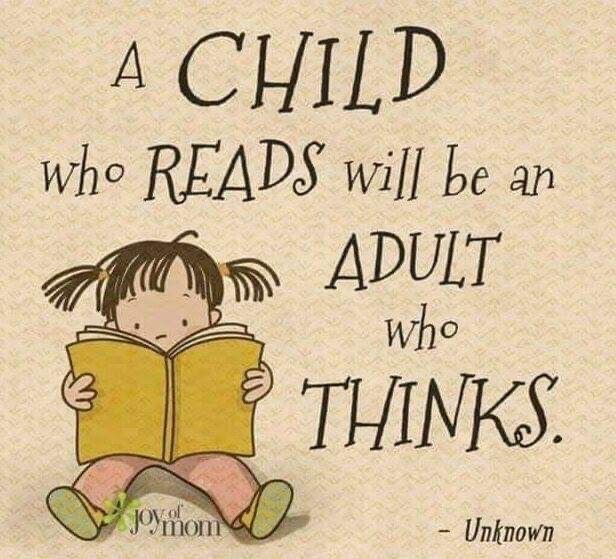
The Importance of Reading Books for Kids
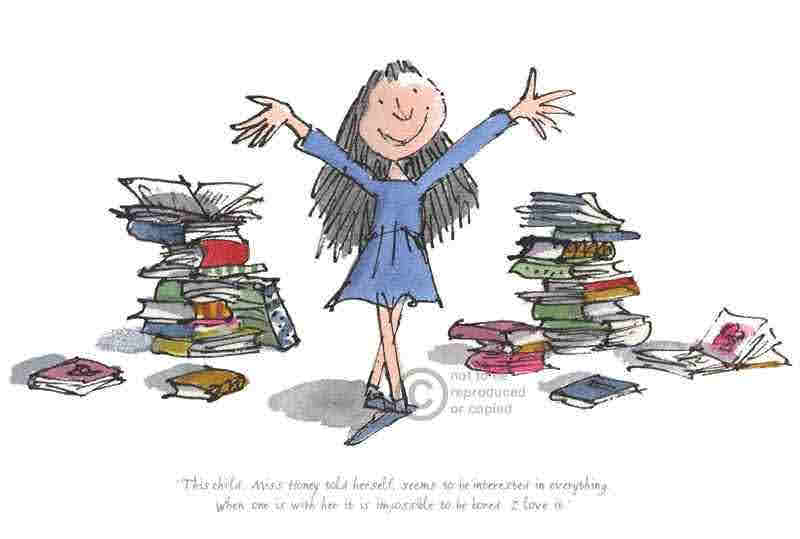
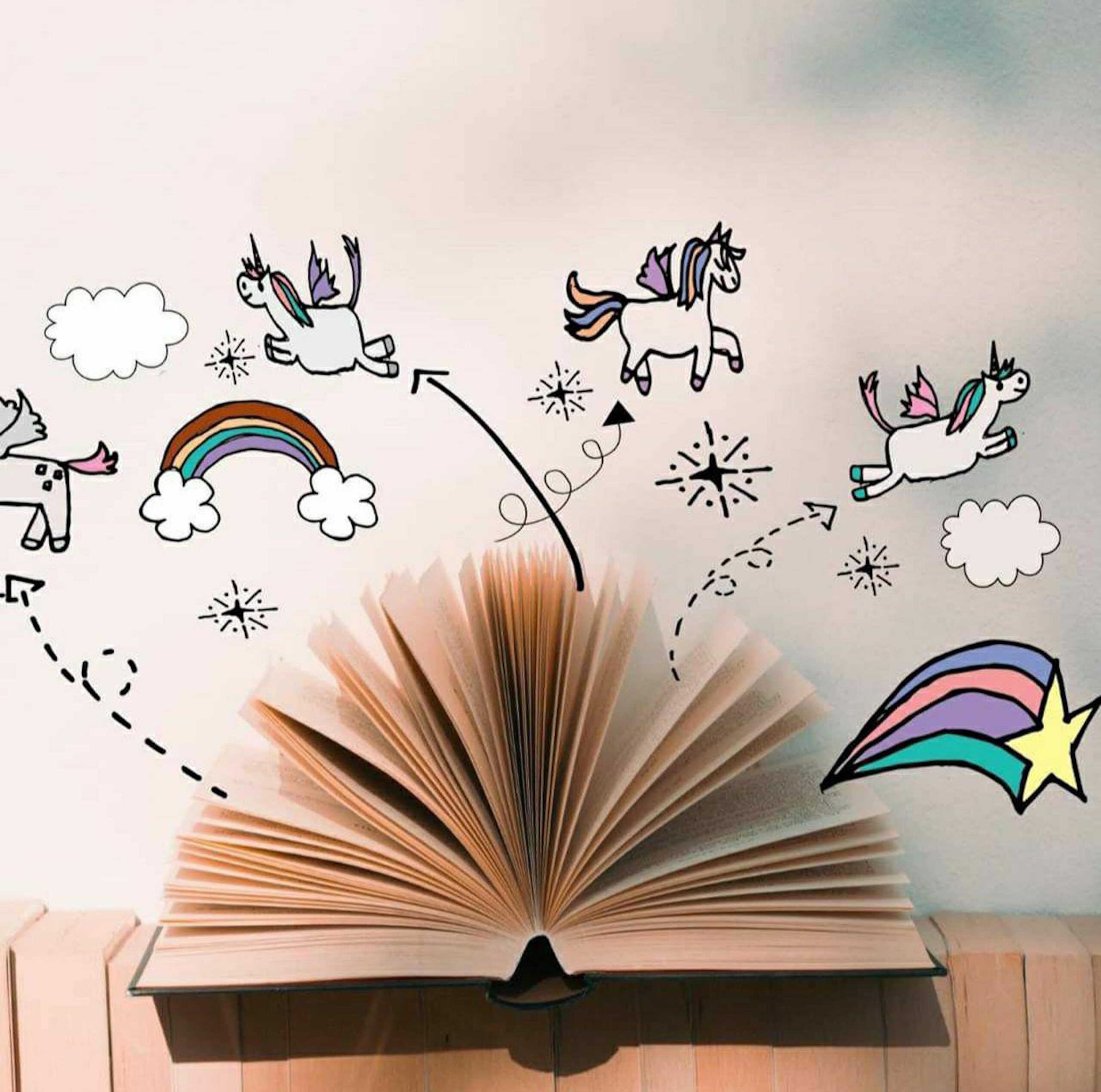
Reading is often hailed as the cornerstone of education, and for good reason. It’s a gateway to countless worlds, a catalyst for imagination, and a fundamental building block for cognitive development. When it comes to children, the importance of reading cannot be overstated. Let’s delve into the myriad benefits of cultivating a love for books in young minds.
1. Language Development and Vocabulary Expansion
- Building a Strong Foundation: Reading exposes children to a vast array of words and sentence structures, enriching their vocabulary and language skills.
- Effective Communication: A robust vocabulary empowers children to express themselves clearly and confidently, both verbally and in writing.
2. Cognitive Development and Critical Thinking
- Sharpening the Mind: Books stimulate critical thinking as children analyze characters, plotlines, and themes.
- Problem-solving Skills: Encountering challenges in stories helps children develop problem-solving strategies.
- Improved Memory and Concentration: Regular reading enhances focus and memory retention.
3. Emotional Intelligence and Empathy
- Understanding Emotions: Books introduce children to a range of emotions and help them understand their own feelings.
- Developing Empathy: By stepping into the shoes of characters, children learn to empathize with others.
- Building Resilience: Overcoming challenges faced by book characters can foster resilience in young readers.
4. Imagination and Creativity
- Fueling the Imagination: Books transport children to fantastical worlds, igniting their creativity.
- Encouraging Storytelling: Reading inspires children to create their own stories and characters.
5. Academic Success
- Stronger Foundation: A love of reading directly correlates with academic achievement in all subjects.
- Improved Test Scores: Children who read regularly tend to perform better on standardized tests.
6. How to Encourage Reading in Kids
- Make Reading Fun: Create a cozy reading nook, read aloud together, and choose books that align with their interests.
- Lead by Example: Show children the joy of reading by incorporating books into your own life.
- Visit Libraries: Regular library visits expose children to a vast selection of books and create a positive association with reading.
- Limit Screen Time: Establish a balance between screen time and reading time to prioritize book engagement.
Conclusion
Reading is an invaluable gift we can bestow upon our children. By nurturing a love for books from a young age, we empower them with essential skills, broaden their horizons, and lay the foundation for a lifetime of learning and enjoyment. Let’s make reading an integral part of every child’s life and watch their minds soar!
🌟 Free Resource for Parents & Educators
Seeking a gentle approach to support your child’s emotional well-being and learning journey?
We’re offering a free download of Positive Thoughts: Mindfulness Quotes and Daily Affirmations for Inner Peace—a beautiful, calming resource designed to help young learners feel empowered, grounded, and more confident every day.
Perfect for home education, EOTAS, or simply creating mindful family routines.
👉 [Download it here for free]
by Helen Kenworthy | Aug 6, 2024 | Education, Uncategorized
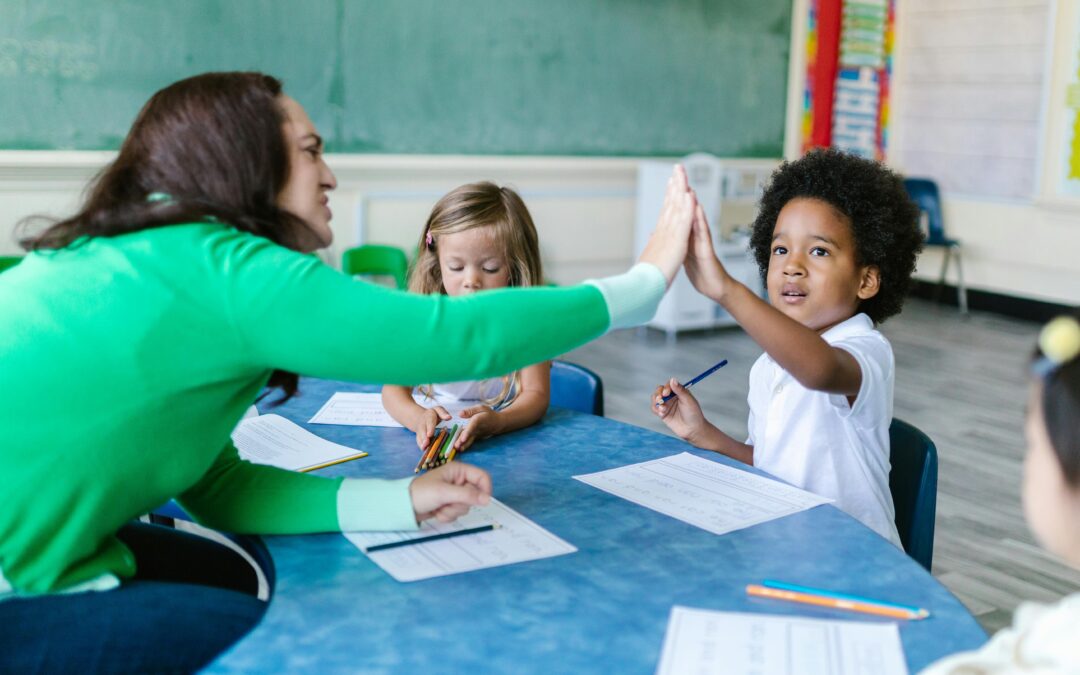
Group learning, often underestimated in favor of solitary study, is a powerful tool for enhancing academic performance. The collaborative environment fosters a unique blend of cognitive, social, and emotional benefits that can significantly boost exam results.
Cognitive Boost: Problem-Solving, Critical Thinking, and Memory Retention
The human brain is wired for social interaction, and learning in a group capitalizes on this innate ability. When faced with a challenging problem, multiple minds working together can generate a wider range of ideas and perspectives. This collaborative problem-solving not only enhances creativity but also strengthens critical thinking skills.
Moreover, explaining concepts to peers solidifies understanding. The act of verbalizing information aids in memory encoding, making it more likely to be retained. Group discussions also encourage deeper processing of information as students grapple with different viewpoints and interpretations.
The Power of Social Interaction: Motivation, Engagement, and Support
Learning in a social context is intrinsically motivating. The camaraderie and shared goals create a sense of belonging that can significantly boost enthusiasm for the subject matter. Peer support can be a lifeline during stressful exam periods, providing encouragement and reducing feelings of isolation.
Furthermore, diverse perspectives within a group can spark intellectual curiosity and ignite a passion for learning. When students feel valued and heard, they are more likely to actively engage in the learning process.
The Importance of Group Dynamics: Building a Successful Learning Community
1. Increased Motivation and Engagement
When students feel supported and valued by their peers, they are more likely to be enthusiastic about participating and contributing to group discussions.
2. Enhanced Learning
A positive group environment fosters open communication and the exchange of diverse perspectives. This exposure to different viewpoints can deepen understanding and spark intellectual curiosity.
3. Improved Problem-Solving Skills
Collaboration allows students to tackle challenges from multiple angles, leading to more creative and effective solutions.
4. Reduced Anxiety and Stress
The sense of belonging and camaraderie in a positive group can alleviate feelings of isolation and anxiety often associated with exam preparation.
5. Development of Social and Communication Skills
Group learning provides a platform for students to hone their communication skills, active listening, and conflict resolution techniques.
Tips for Effective Group Collaboration
- Define clear roles and responsibilities: Assign specific tasks to each group member to ensure everyone contributes equally.
- Encourage open communication: Create a safe space for sharing ideas and feedback without fear of judgment.
- Active listening: Encourage group members to pay attention to each other’s perspectives.
- Time management: Set clear goals and deadlines to stay focused and productive.
- Conflict resolution: Develop strategies for handling disagreements respectfully and finding common ground.
By understanding the science behind group learning and implementing effective strategies, students can harness the power of collaboration to achieve academic excellence.
🌟 Free Resource for Parents & Educators
Seeking a gentle approach to support your child’s emotional well-being and learning journey?
We’re offering a free download of Positive Thoughts: Mindfulness Quotes and Daily Affirmations for Inner Peace—a beautiful, calming resource designed to help young learners feel empowered, grounded, and more confident every day.
Perfect for home education, EOTAS, or simply creating mindful family routines.
👉 [Download it here for free]
by Helen Kenworthy | Jul 2, 2024 | Education
Have you ever stared at a blank page, the dreaded prompt “write a poem” looming over you like a storm cloud? Fear not, fellow wordsmiths and budding artists! Today, we’re throwing open the doors to a secret chamber: the fantastical world of visual poetry. Here, words and art join forces to create explosions of creativity that are both fun and impactful.
But wait, what exactly is a visual poem?
Imagine a poem that isn’t just a bunch of lines on a page. Picture a poem that bursts with color, shape, and texture. A poem where the words themselves dance across the canvas, weaving a story with the help of vibrant paints, playful doodles, or even collaged bits of magazine clippings. That’s the magic of visual poetry!
Why is this so awesome for kids and teenagers?
Let’s face it, traditional poetry can sometimes feel…well, traditional. But visual poetry throws that dusty textbook out the window. Here’s why it’s a game-changer:
- It’s Interactive: Forget memorizing rhyme schemes! Visual poetry lets you experiment with shapes, colors, and even found objects. It’s like playing with words and art at the same time!
- It Sparks Imagination: Stuck in a writing rut? Visual poetry helps you see your poem in a whole new light. Suddenly, that lonely metaphor about a “lonely cloud” can transform into a swirling blue blob, lost in a vast white canvas.
- It’s for Everyone: Whether you’re a budding Picasso or a stick-figure enthusiast, visual poetry welcomes all artistic skill levels. The focus is on expressing yourself freely!
Ready to unleash your inner artist-poet? Let’s get started!
Unleashing Your Creativity: A Toolbox of Techniques
- Shape Poems: This is a blast for younger kids. Choose a cool shape like a heart, a star, or a tree. Now, write your poem within the lines of the shape, using the boundaries to guide your words. A heart poem might overflow with words about love and friendship, while a tree poem could explore themes of growth and change.
- Color My World: Feeling blue? Feeling fiery red? Emotions come alive with color poems! Write a poem about a specific color, then create a piece of art that reflects the feelings or imagery of the poem. A blue poem might be filled with words like “tranquil” and “ocean,” while a red poem could be all about “passion” and “heat.”
- Cut and Paste Poetry: Calling all magazine hoarders (or those with access to a good recycling bin)! This is a fantastic way to create a visual poem with a unique voice. Cut out words and phrases from magazines or newspapers. Use them to create a collage poem that expresses your feelings on a topic. Maybe a poem about technology would be filled with circuit board clippings and robot parts!
Bonus Tips to Make Your Visual Poems Shine
- Read Aloud: After creating your masterpiece, don’t just admire it silently. Share it with friends and family! Read the poem aloud while everyone takes in the artwork. The combination of words and visuals will create a powerful experience.
- Gallery Time: Turn your classroom or living room into an art museum! Organize a “Visual Poetry Showcase” and display everyone’s creations. It’s a fantastic way to celebrate creativity and inspire each other.
- Famous Inspiration: Stuck for ideas? Look no further than the masters! Research famous paintings and sculptures. Write a poem inspired by what you see. Imagine a poem filled with swirling words and vibrant colors, echoing the movement of Van Gogh’s “Starry Night.”
So there you have it! Visual poetry is a world waiting to be explored, a playground where words and art collide to create something truly special. So grab your crayons, paints, and notebooks, and get ready to let your imagination explode! Remember, there are no wrong answers, only endless possibilities. Happy creating!
🌟 Free Resource for Parents & Educators
Seeking a gentle approach to support your child’s emotional well-being and learning journey?
We’re offering a free download of Positive Thoughts: Mindfulness Quotes and Daily Affirmations for Inner Peace—a beautiful, calming resource designed to help young learners feel empowered, grounded, and more confident every day.
Perfect for home education, EOTAS, or simply creating mindful family routines.
👉 [Download it here for free]
by Helen Kenworthy | Jun 25, 2024 | Education, Uncategorized
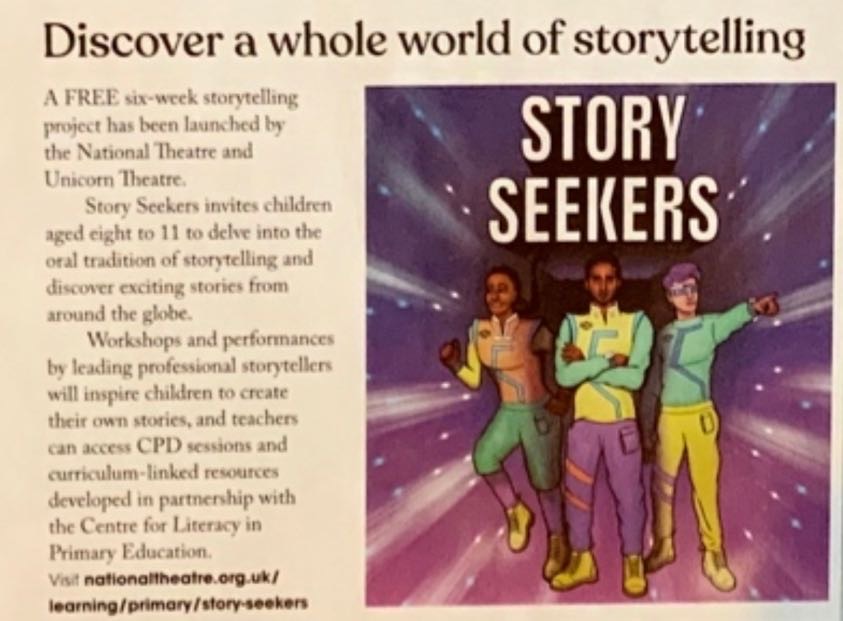
The art of storytelling dates back to the dawn of human civilization and transcends barriers across cultures and generations, capturing an audience through its mastery in tying down raw emotions into a neat storyline. Storytelling is one of the most important things you can master – especially in the digital age if you are an aspiring blogger, marketer or content creator that wants to capture (and keep) your audience’s attention. The following blog contains storytelling techniques and how these tactics contribute to the transformation of storytelling using descriptive writing.
The Essence of Effective Storytelling
At its core, storytelling is about connecting with people emotionally. It’s about painting a picture with words that resonates with the listener or reader, evoking feelings and memories that transcend the literal meaning of the story. Effective storytelling does more than simply entertain; it educates, inspires, and moves people to action.
Crafting Compelling Characters
Characters are the heart and soul of any story. Developing characters that are relatable, complex, and multidimensional is key to drawing readers in. Consider the following tips:
- Characterization: Give your characters depth by revealing their personalities, backgrounds, and motivations through their actions and dialogue.
- Conflict: Introduce conflict early on to drive the plot and keep readers engaged.
- Resolution: Ensure that conflicts are resolved in a satisfying manner, leaving readers with a sense of closure.
Plot Structure
A well-structured plot guides the reader through the story, building anticipation and maintaining momentum. Consider the following elements:
- Beginning: Start with an engaging hook that grabs the reader’s attention.
- Middle: Develop the plot, introducing complications and challenges.
- End: Conclude with a resolution that ties up loose ends and leaves a lasting impression.
The Impact of Vivid Descriptions
Vivid descriptions transform ordinary scenes into extraordinary experiences, immersing readers in the story and making it more memorable. Here’s how to harness the power of vivid descriptions:
- Sensory Language
Engage all five senses—sight, sound, touch, taste, and smell—to paint a rich, detailed picture. For example, describe the texture of a fabric, the aroma of a meal, or the echo of footsteps.
- Show, Don’t Tell
Instead of merely stating facts or opinions, show readers what’s happening through actions, dialogues, and observations. This technique allows readers to infer meanings and emotions, making the story more authentic and engaging.
- Consistent Tone and Voice
Maintain a consistent tone and voice throughout the story to create a cohesive narrative. Whether it’s humorous, dramatic, or reflective, consistency helps establish a connection between the reader and the story.
- Reflective Moments
Integrate reflective moments that allow characters to ponder their experiences, emotions, and lessons learned. These moments add depth to the story and provide readers with pause for contemplation.
Conclusion
Effective storytelling and vivid descriptions are the cornerstone of engaging, memorable content. By focusing on character development, plot structure, and the use of sensory language, storytellers can captivate audiences, evoke emotions, and inspire action. Remember, the art of storytelling is not just about entertaining; it’s about connecting with people on a deeper level, leaving a lasting impression, and perhaps even changing lives.
So, the next time you sit down to write, remember the power of your words. With every sentence, you have the opportunity to transport your readers to another world, to make them laugh, cry, or think. Embrace the art of storytelling, and watch as your words come alive.
🌟 Free Resource for Parents & Educators
Seeking a gentle approach to support your child’s emotional well-being and learning journey?
We’re offering a free download of Positive Thoughts: Mindfulness Quotes and Daily Affirmations for Inner Peace—a beautiful, calming resource designed to help young learners feel empowered, grounded, and more confident every day.
Perfect for home education, EOTAS, or simply creating mindful family routines.
👉 [Download it here for free]
by Helen Kenworthy | Jun 18, 2024 | Education
We will provide insights on how personalized learning has impacted education, and how its benefits make it a highly-effective method that can adapt to suit the individual learning profile of every student. This puts more emphasis on tailoring the experience to the strengths, weaknesses, interests and pace of the individual learner and moves away from a more traditional one-size-fits-all model.
Why Personalized Learning Makes a World of Difference
1. Improved Engagement
- Increased Engagement: Personalized learning increases the level of engagement through delivery of tailored content based on the learners’ interests and required standard, making learners feel more motivated and engaged in the learning process.
- Learner-Centered Approach: Learners are promoted to set goals, monitor their progress and performance and to reflect on their learning, by participating actively, learners are thus connected more deeply to the material.
2. Better Outcomes
- Improved Assessment Performance: Personalized learning also means better learning outcomes in terms of examination results as learners are more engaged and learning personalized content that suits better to their capabilities – resulting in higher retention of the learning delivered.
- Allows for Improved Assessment Performance: Since the instruction is so specifically crafted to the unique individual, learners are more likely to gain a deeper knowledge and apply it with proficiency which often translates into better assessments.
3. Flexible Learning
- Anytime Access can mean that the content can be consumed at a user’s leisure (asynchronous), which could allow the harder topics to be accessed at a time that makes the most sense for them, such as during busy times, or other commitments.
- Self-Paced Learning: The flexibility provided by personalization means that students are able to learn at a pace that is right for them, allowing time to master concepts before progressing to the next stage, and, as a result, improves understanding and retention.
4. Resource Intensive
- Development Effort: The implementation of personalized learning requires development of individualized learning objectives, tasks and assessments which can take a lot of time and resources especially on larger courses or programs.
- Technical Expertise: Personalized learning often depends on adaptive learning technologies that call for technical expertise and support which may be difficult for instructors and learners not technologically sound.
5. Ethical Considerations
- Data Privacy: In personalized learning, data about students is collected and analyzed, a situation that raises ethical issues around privacy and security. Ethical guidelines and regulations must be adhered to by institutions engaged in data collection and analysis.
In summary, Personalized Learning is an approach to education that looks forward in order to meet the changing needs of students in the digital age. This is because it not only improves academic performance & engagement but also provides students with skills necessary for success in today’s world through concentrating on individual learning paths.
🌟 Free Resource for Parents & Educators
Seeking a gentle approach to support your child’s emotional well-being and learning journey?
We’re offering a free download of Positive Thoughts: Mindfulness Quotes and Daily Affirmations for Inner Peace—a beautiful, calming resource designed to help young learners feel empowered, grounded, and more confident every day.
Perfect for home education, EOTAS, or simply creating mindful family routines.
👉 [Download it here for free]
by Helen Kenworthy | Jun 14, 2024 | Education
In the ever-evolving world of education, one trend stands out as a beacon of hope and innovation: personalized learning. This approach shifts away from the traditional, one-size-fits-all model, embracing instead a method that caters to the unique needs, interests, and abilities of each student. This blog delves into what personalized learning entails, its core elements, benefits, challenges, and real-world successes, aiming to illuminate the path towards a more effective and engaging educational system.
What is Personalized Learning?
Personalized learning is an educational strategy that adapts to the individual needs of learners. Unlike the conventional education model, where lessons are delivered uniformly to large groups of students, personalized learning tailors instruction to meet the unique learning styles, pace, and interests of each student. This approach fosters a deeper understanding and engagement, leading to improved academic outcomes.
Core Elements of Personalized Learning
- Assess and Profile
To embark on a personalized learning journey, educators must first conduct thorough assessments to identify each student’s strengths, weaknesses, and areas of interest. These assessments serve as the foundation for creating a profile that guides the development of a customized learning plan.
- Determine Goals
Setting clear academic goals is crucial for personalized learning. These goals, aligned with state or national standards, become the roadmap for the learning journey. Regular monitoring ensures that students stay on track to achieve their objectives.
- Review Data
Technology plays a pivotal role in personalized learning by enabling the collection and analysis of vast amounts of student data. Educators use this data to refine learning paths, adjust instructional strategies, and personalize interventions.
- Design Learning Paths
Based on assessments and data, educators design unique learning paths for each student. These paths offer flexibility in pacing and content, allowing students to learn at their own speed and focus on areas of particular interest.
- Foster Student Agency and Ownership
Encouraging students to take ownership of their learning is central to personalized learning. By involving students in setting goals and selecting activities, educators empower them to direct their own educational journey, fostering a sense of responsibility and achievement.
- Set Long Term and Short Term Goals
Balancing short-term and long-term educational objectives is essential for personalized learning. While immediate goals ensure continuous progress, long-term objectives provide direction and a sense of purpose to the learning journey.
- Create Collaborative Learning Groups
Despite its personalized nature, collaborative learning remains a cornerstone of effective education. Group projects and peer interactions enrich the learning experience, promoting social skills and teamwork.
Conclusion
Personalized learning represents a paradigm shift in education, offering a tailored approach to teaching and learning that caters to the unique needs of every student. By leveraging technology, fostering student agency, and focusing on individual growth, personalized learning holds the promise of transforming classrooms into dynamic, engaging environments that prepare students for success in the 21st century.
🌟 Free Resource for Parents & Educators
Seeking a gentle approach to support your child’s emotional well-being and learning journey?
We’re offering a free download of Positive Thoughts: Mindfulness Quotes and Daily Affirmations for Inner Peace—a beautiful, calming resource designed to help young learners feel empowered, grounded, and more confident every day.
Perfect for home education, EOTAS, or simply creating mindful family routines.
👉 [Download it here for free]