Summer Break Fun
The summer holidays are a magical time filled with endless possibilities for adventure and growth. As parents and caregivers, it’s crucial to provide our children with enriching activities that not only keep them entertained but also stimulate their minds and bodies. This post is packed with ideas for all kinds of summer fun, from quiet activities that spark creativity to adventures that get the whole family moving.
Beat the Heat: Indoor Activities
Let’s face it, summer days can get scorching. Here are some ways to keep cool and have fun indoors:
- Coloring Magic: Coloring isn’t just for kids anymore! Grab some crayons or markers and spend some quality time together coloring summer scenes, animals, or anything that inspires you. There are even cool adult coloring books out there with detailed patterns that grown-ups will enjoy too.
- Learning Adventures: Educational toys and games can make learning fun. Workbooks or apps with summer-themed puzzles and challenges can keep your kids’ minds sharp in a playful way.
- Story Time!: Writing can be a blast, and it’s a great skill to encourage early on. Give your child a journal and some pens and let them write about their summer adventures, dreams, or even silly stories. You can even have a family writing competition – who can come up with the funniest story?
In the Kitchen: Fun with Food
Food is a great way to bond and learn new things. Here are some ideas to get your kids involved in the kitchen:
- Cooking Together: Find a kid-friendly cookbook that matches your child’s age and interest level. Start with simple recipes like pancakes or homemade pizza, gradually introducing more complex dishes as confidence grows. Remember, the goal is to enjoy the process, so don’t stress over perfection.
- Homemade Treats: Making homemade treats is not only delicious but also educational. Try making ice cream with fresh fruits or popsicles shaped like animals. This not only satisfies their sweet tooth but also teaches them about nutrition and science.
Active Family-Friendly Adventures
Staying active is crucial for both physical and mental well-being. Here are some ideas to get the whole family moving:
- Outdoor Sports: Plan a day at a local mini-golf course or roller-skating rink. These activities are not only fun but also promote teamwork and sportsmanship. Hosting a family dance-off with their favorite tunes can also turn into a lively workout session.
- Community Events: Attending local events like farmers’ markets, concerts, or sports games can expose kids to new experiences and cultures. It’s a great way to support the community and make lasting memories.
Exploring Nature: Kid Outdoor Activities
Connecting with nature is one of the best ways to spend the summer. Here are some ideas to get outside and enjoy the great outdoors:
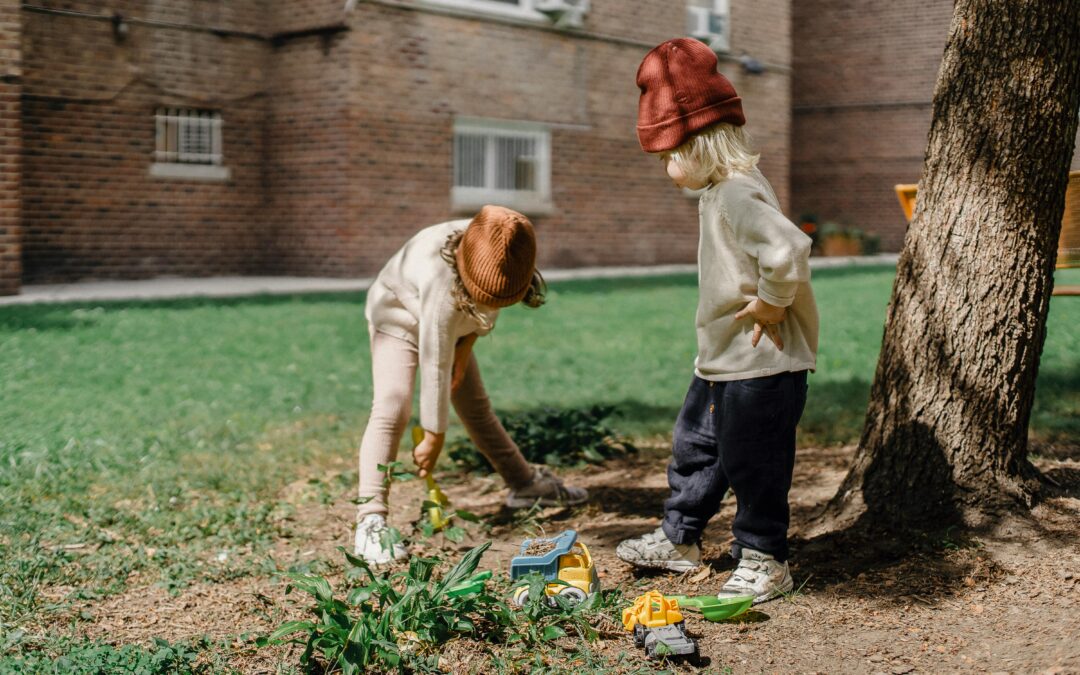
- Backyard Fun: Transform your backyard into a playground with a sprinkler, a water slide, or a DIY obstacle course. Organizing a water balloon fight or a scavenger hunt can turn a regular day into an exciting adventure.
- Gardening: Planting a vegetable garden is a rewarding project that teaches responsibility and the joy of growing your own food. Kids can take pride in watching their seeds sprout into vegetables and flowers.
Artistic Expression: Creative Projects
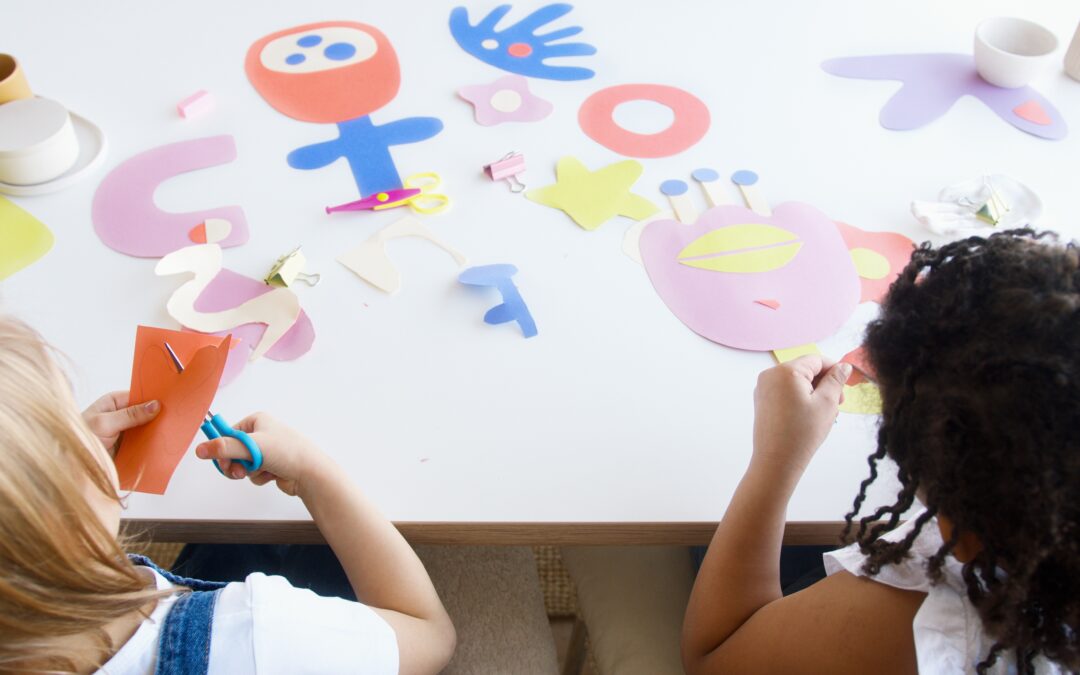
Art is a powerful medium for self-expression and learning. Here are a couple of projects that can inspire creativity:
- Artistic Interpretation: Provide your child with a map or picture of a country and let them express their feelings or knowledge about it through art. This could involve painting, drawing, or even sculpting, depending on their interests.
- Obstacle Course: Design an obstacle course in your backyard or living room. Kids can use everyday items like pillows, chairs, and hula hoops to create a challenging and fun course. This activity promotes problem-solving and physical fitness.
- Showcasing Their Journey: In today’s digital age, video editing tools like Adobe Express offer easy-to-use options for creating short films. Encourage kids to document their summer adventures through videos. This not only keeps them engaged but also helps develop their storytelling and editing skills.
Wrapping Up
Summer break is a precious time to connect with your kids and create lasting memories. By incorporating these activities into your summer plan, you’re giving them more than just entertainment – you’re setting them up for a lifetime of learning and adventure. So grab your sunscreen, pack your bags, and get ready for a summer of fun!
Remember, the most important thing is to spend quality time together as a family. Make the most of these special moments, and have a happy summer!
🌟 Free Resource for Parents & Educators
Seeking a gentle approach to support your child’s emotional well-being and learning journey?
We’re offering a free download of Positive Thoughts: Mindfulness Quotes and Daily Affirmations for Inner Peace—a beautiful, calming resource designed to help young learners feel empowered, grounded, and more confident every day.
Perfect for home education, EOTAS, or simply creating mindful family routines.