by Helen Kenworthy | Nov 19, 2026 | Brilliantly Underestimated
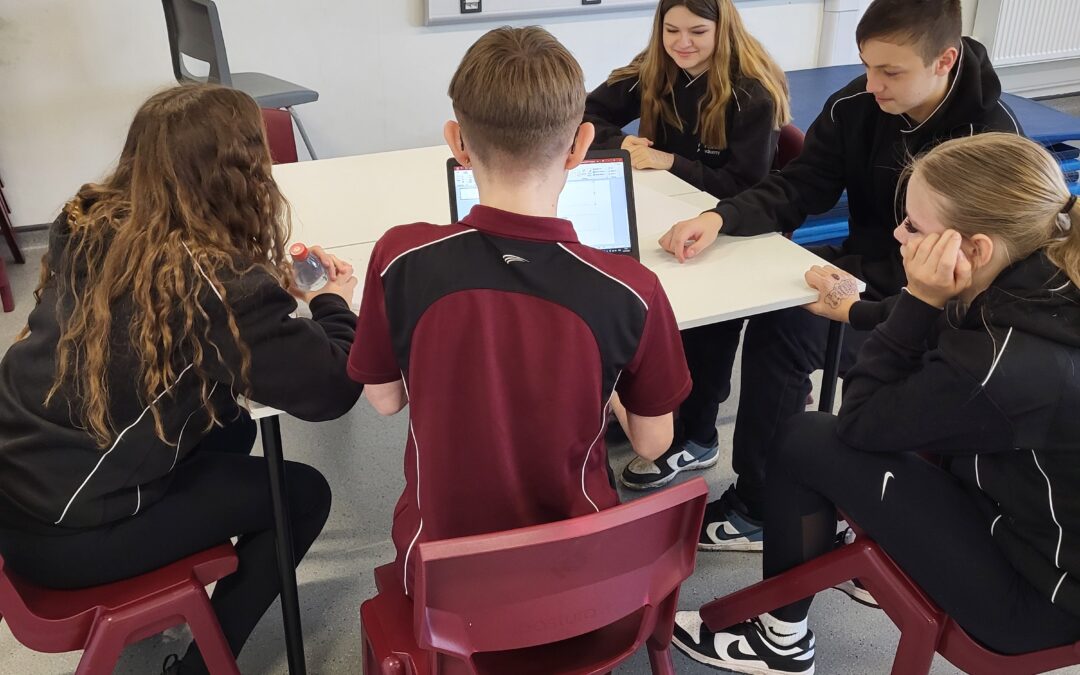
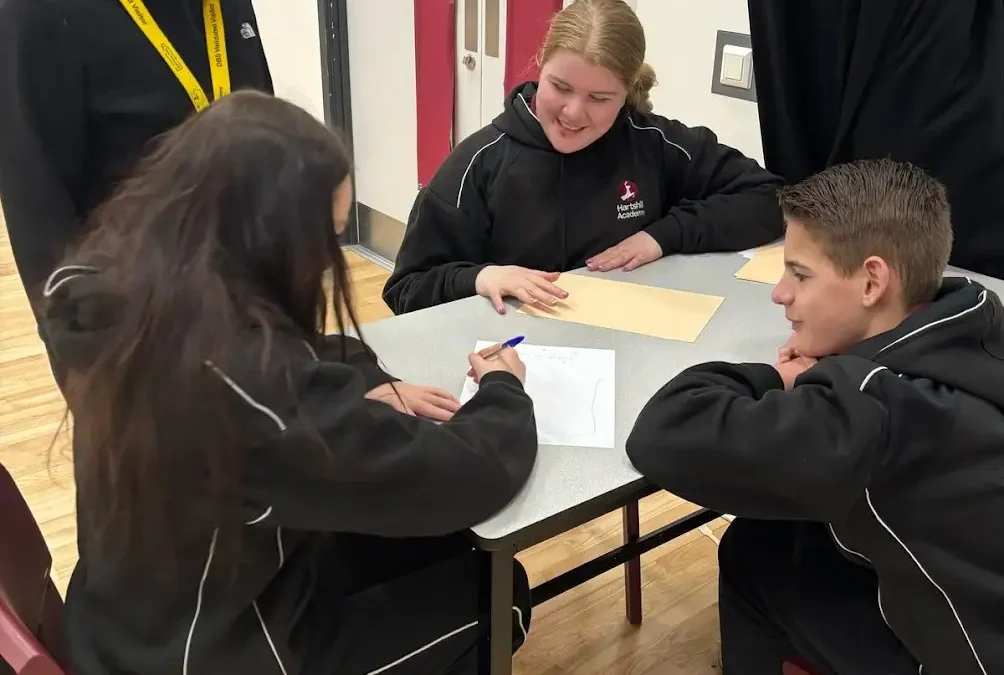
This week is Anti-Bullying Week, and the theme is Break the Silence. When we think of bullying, we often picture the playground. But for many young people, it starts in the classroom.
“Thick.” “Lazy.” “Behind.” “Can’t read.” These are the labels that follow a young person who struggles with learning. They get whispered when someone reads aloud slowly, or laughed about when the sets are announced. And for a young person who already feels unsure of themselves, they hit hard.
The link between learning struggles and bullying
Young people who learn differently, who are neurodivergent, or who have spent time out of school are often more likely to be targeted. The learning label and the bullying label feed each other. The more a young person is teased, the more anxious they become. The more anxious they are, the harder it is to learn. It becomes a cycle.
Replacing labels with pathways
At Education Selection Box, we don’t start with what a young person can’t do. We start with how they learn best. A young person who is “behind” isn’t failing. They simply need a different pace, a different approach, or a calmer space to learn in.
How parents can help break the silence
- Listen for the labels. If your child says “I’m stupid” or “I’m rubbish at maths”, gently ask where that idea came from.
- Separate the struggle from the child. Struggling with fractions is something they’re working on, not who they are.
- Talk to the school. Share what you’re noticing and ask how they’re supporting your child.
- Look for the right fit. Sometimes a young person needs learning that happens at their pace, outside the pressure of the classroom.
How Education Selection Box can help
We provide academic support in English, maths, history and other school-linked subjects, including for young people who can’t be in school. Choose from subscription materials, one-to-one support and courses, or ask us about a bespoke programme.
Find out more and explore every pathway: https://helenkenworthy.com/
Creative Pathway Methodology; Of Course You Can! Serving the Brilliantly Underestimated
by Helen Kenworthy | Nov 5, 2026 | Brilliantly Underestimated
A tummy ache every Monday. Tears over homework. A happy, curious child who now says “I’m just not clever.”
If this sounds familiar, you’re not alone, and you’re not failing. Noticing these changes is the first step to helping your child.
Signs to Look Out For
- Headaches or stomach aches that show up on school days
- Big meltdowns as soon as they get home
- Losing interest in things they used to love
- Calling themselves “stupid” or “rubbish” at learning
- Avoiding homework, reading or school altogether
These aren’t signs of a difficult child. They’re signs that school, as it is right now, isn’t meeting their needs.
Simple First Steps
- Write down what you notice. Patterns are easier to spot and share.
- Listen first. Ask your child, calmly, what feels hardest.
- Talk to the school. Share your notes and ask what support is available.
- Put confidence before grades. A child who feels safe is ready to learn.
It’s Not Just “In School” or “Out of School”
Many parents feel stuck between pushing through or taking their child out. But as Helen explains in her latest short video, there are lots of routes in between, from flexi-schooling to home education to blended options that can be fitted together around your child.
Watch Helen’s video here: https://youtube.com/shorts/kl1Wp7jOSdI
How We Can Help
At Education Selection Box, we support young people on every one of these routes, including those who can’t be in school right now. Through one-to-one support, courses and learning materials, we help them rebuild confidence and believe “of course I can.”
Not sure where to start? We’d love to help.
Find the right support: https://helenkenworthy.com/
Creative Pathway Methodology; Of Course You Can! Serving the Brilliantly Underestimated
by Helen Kenworthy | Oct 29, 2026 | Brilliantly Underestimated
Not every young person learns the same way, at the same speed or in the same setting. Some struggle with the pace of a busy classroom. Some find that school simply doesn’t fit. Too often, those young people start to believe they are “bad at learning.” At Education Selection Box, we know that isn’t true. Learning differently is still learning, and it often comes with strengths that go unnoticed.
When different gets mistaken for “behind”
A young person who learns differently can quickly fall behind on paper. Missed lessons, gaps in understanding and low grades can make them feel like they’ve failed. But behind every gap is a reason, whether that’s anxiety, an unmet need, or a teaching style that just didn’t click. These young people are not lazy or incapable. They are brilliantly underestimated.
What Helen has learned about difference
Helen Kenworthy, who leads Education Selection Box, has spent years writing learning resources and supporting young people who find school hard. What she sees again and again is that a young person cannot take in new learning while they feel anxious or judged. When the pressure comes off and they feel safe, their brain has room to learn. Helen also sees that the very things that make a young person “different,” like a vivid imagination, a love of detail or a unique way of solving problems, are often the keys to unlocking their learning.
How ESB celebrates different learners
Education Selection Box supports young people in English, maths, history and other school-linked subjects, including those who can’t be in school. We do this by:
- Working at the young person’s pace, so they can build understanding step by step without feeling rushed.
- Learning through doing, using hands-on and creative approaches that make subjects feel real and memorable.
- Building confidence alongside knowledge, so young people start to believe “of course I can.”
- Personalising support, through subscription materials, one-to-one sessions and courses that fit around each learner.
Recognised for child-centred learning
Our work was recently recognised with the Diamond Distinction Award 2026 for Specialists in Child-Centered and SEN Learning Programmes, Midlands. For us, it’s a celebration of every young person who has found their way back to learning with us.
Of course they can
Every young person deserves an education that fits who they are. If your child or a young person you support learns differently, we’d love to help them discover what they’re truly capable of.
Find out more: https://helenkenworthy.com/
Creative Pathway Methodology; Of Course You Can! Serving the Brilliantly Underestimated
by Helen Kenworthy | Sep 17, 2026 | Brilliantly Underestimated
A lot of parents come to us thinking the problem is a maths block, or a reading struggle, or a child who “just won’t focus.” Often, the real issue is underneath that.
When a child’s nervous system is stuck in fight or flight, focus becomes almost impossible. Not because they aren’t capable, but because a heightened nervous system pulls all the body’s resources toward survival, not learning. It shows up as poor sleep, restlessness, and a tendency to react to small things as if they were much bigger problems. None of that is a motivation issue. It’s biology.
Here’s the principle we build every session around: you cannot teach logic and structure to a nervous system that thinks it’s under threat. Calm has to come first. Only once a child feels safe does the academic work actually start to land.
That’s why, before we open a textbook, we check in. We ask how a child is really doing. Sometimes that conversation matters more than the lesson plan.
It’s this approach, regulation before resolution, that sits behind everything we do at Education Selection Box, recognised recently with the Diamond Distinction Award 2026 for Specialists in Child-Centered and SEN Learning Programmes, Midlands 2026. It’s also the thinking I’ll be bringing next month to Class Business Live, held at the Children’s Activity Conference and Awards, where I’ll be hosting a mastermind table on the Founder to CEO shift while sponsoring the Strategic Lead Award.
Hear more on this directly from Helen: https://youtu.be/YV-_243aTuA
Creative Pathway Methodology: Of Course You Can!™ serving the brilliantly underestimated.
by Helen Kenworthy | Aug 27, 2026 | Brilliantly Underestimated
A tutoring session does not need a fixed classroom to work. All it needs is a strong connection between tutor and student, and the tools to make each session count. That flexibility opens up something bigger than convenience. It means a learning programme can be shaped entirely around a young person’s real life.
Take a family who travel often. Rather than fighting against that lifestyle, their learning programme works with it. Geography lessons follow the route they are taking. History connects to the places they pass through. Maths becomes practical, working out distances and fuel use instead of abstract sums on a page.
That is the heart of academic support at Education Selection Box. Every young person learns differently, and every family’s circumstances are different too. Whether a child needs help with English, maths, or any school subject, we design support around who they are and how they live, not a one-size-fits-all timetable.
Of course you can keep up with schoolwork, even when life does not look like everyone else’s. We will help you find the way that fits.
Watch the video that inspired this: https://youtu.be/eyD5nXQHPew
Creative Pathway Methodology: Of Course You Can!™ serving the brilliantly underestimated.