by Helen Kenworthy | Dec 16, 2025 | Education
At Education Selection Box, we work with families and educators who are doing everything they can within education systems that often do not reflect how children actually learn.
What we see repeatedly is not a lack of ability, effort, or care.
It is a lack of fit.
Too many capable young people struggle not because they cannot learn, but because learning environments are rigid, fragmented, or emotionally unsafe. Behaviour is often addressed before communication is understood. Support is added in pieces rather than designed as a whole. Families are left navigating complexity while children quietly lose confidence in themselves and in education.
These are the learners we describe as the Brilliantly Underestimated.
They are curious, perceptive, and capable. Their potential is real, but it is often overlooked when systems prioritise compliance over connection and outcomes over understanding. When education does not adapt to how a young person thinks, feels, or processes the world, difficulty quickly becomes the focus instead of possibility.
Education Is Built Through Community, Not Just Systems
Education does not sit in one place.
It is shaped by families, schools, creative spaces, and the wider community around a young person. When responsibility for learning is shared, education becomes more flexible, more humane, and far more effective.
Redesigning education at a community level means:
- placing emotional safety before performance
- recognising regulation as the foundation for learning
- valuing creativity as a powerful entry point, not an optional extra
- working collaboratively instead of in isolated silos
This is where meaningful change begins.
A New Space: Creative-Integrated Education
At Education Selection Box, we do not sit within “alternative tutoring.”
We work within a new space: Creative-Integrated Education.
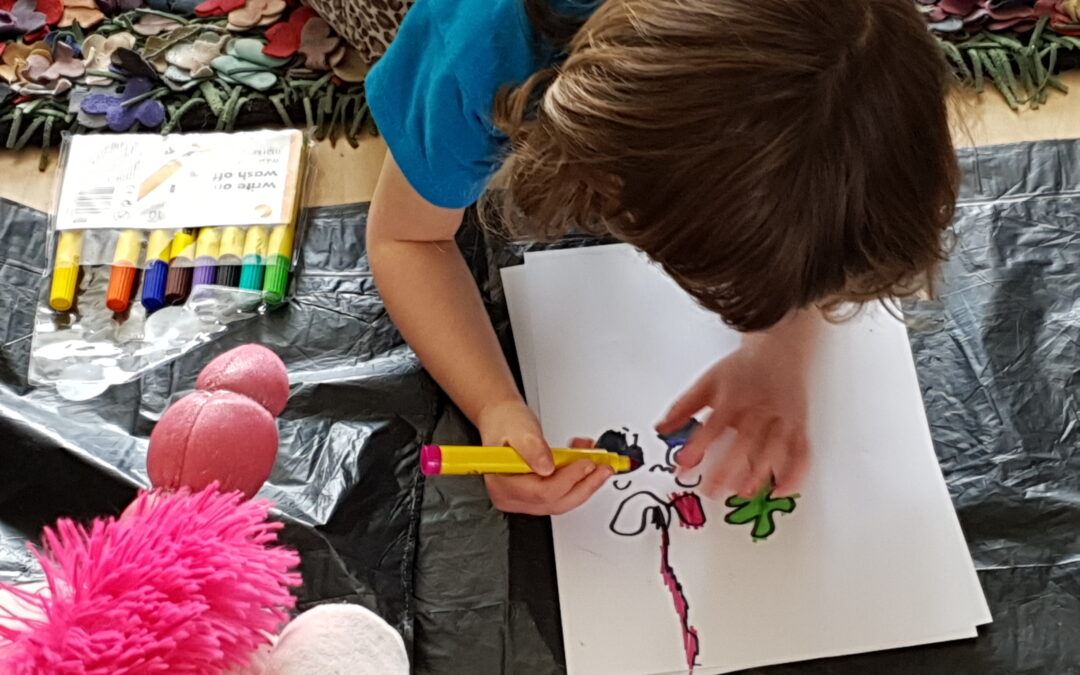
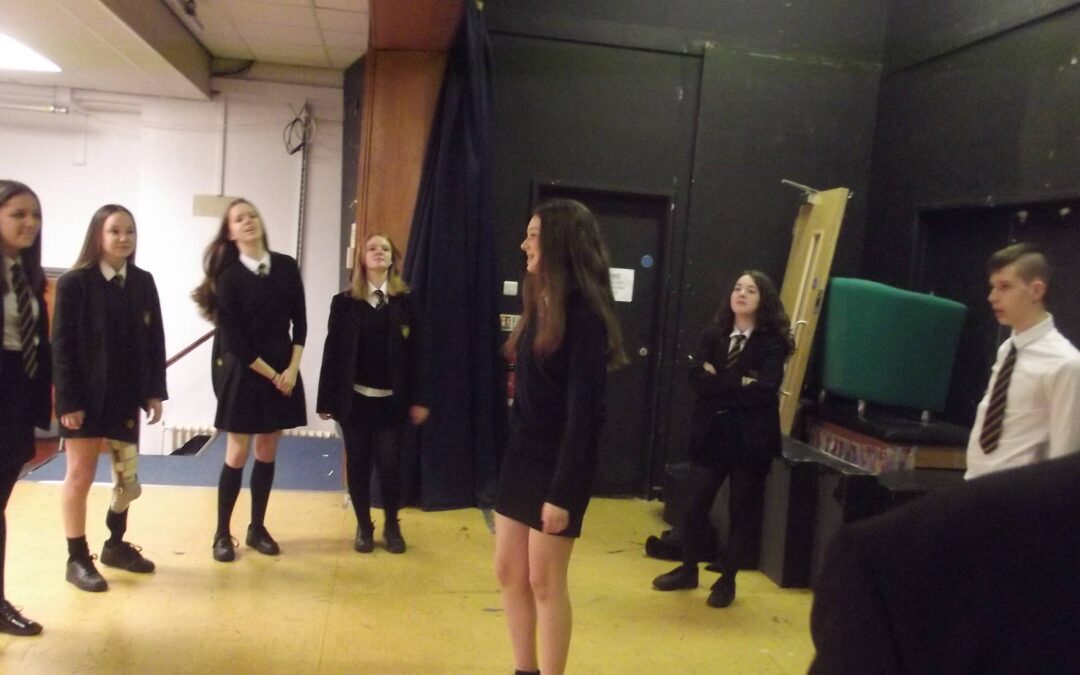
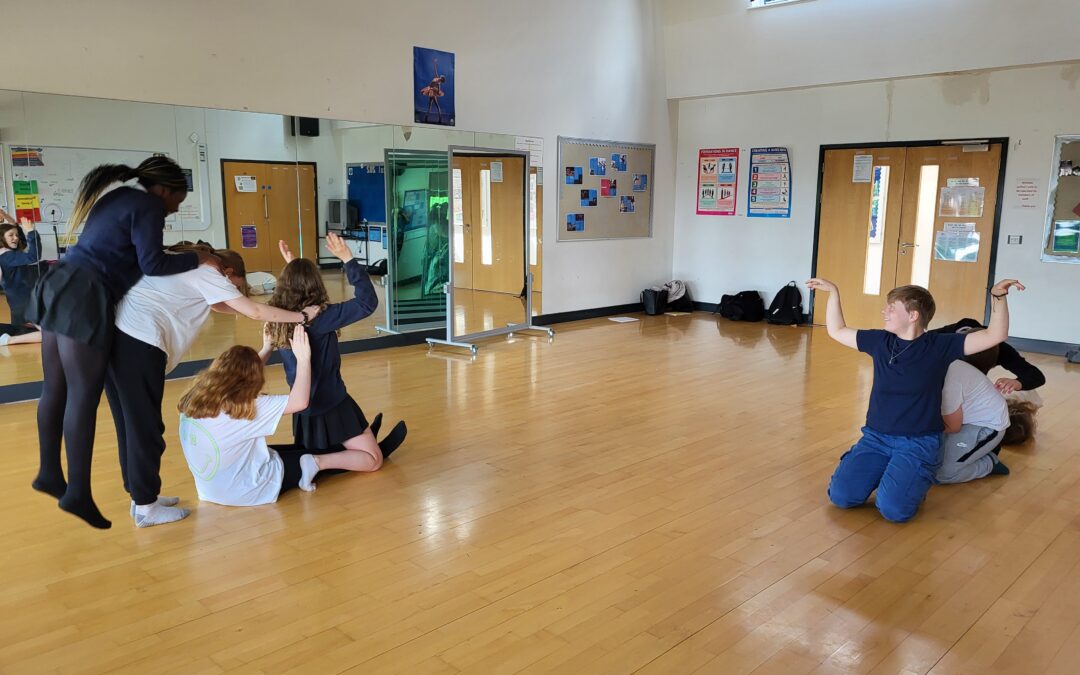
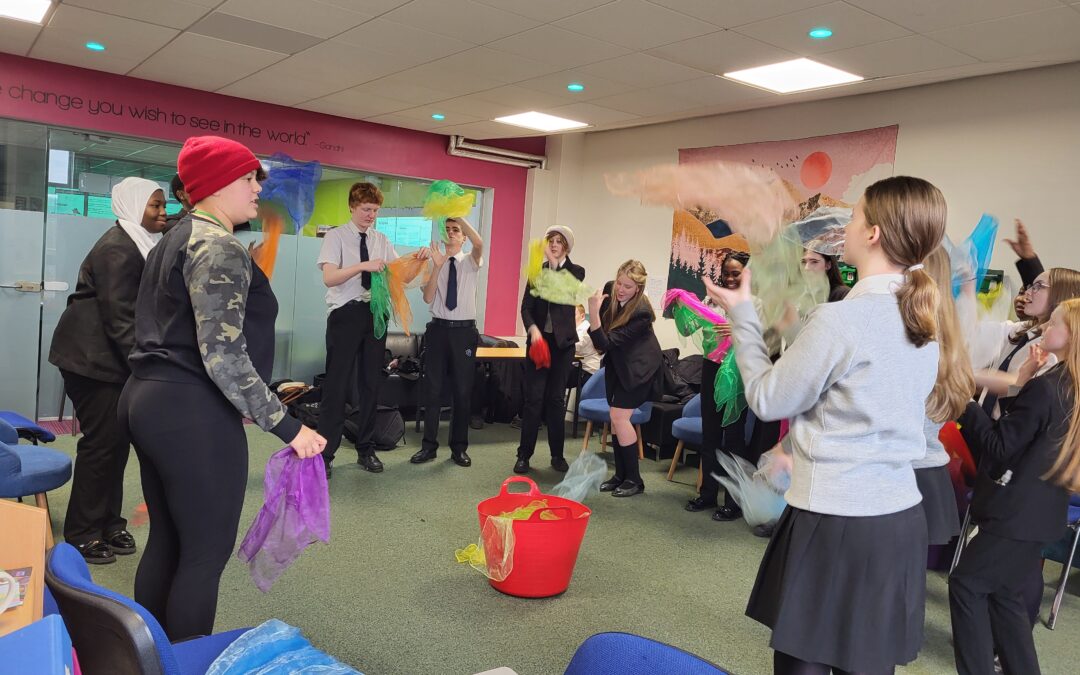
This approach brings together learning support, creativity, and mental health awareness into one tailored experience, placing the individual—not the system — at the center. It recognises that creativity unlocks learning, wellbeing fuels progress, and young people thrive when they are met as individuals rather than problems to be solved.
Through our integrated methodology, developed in partnership with RYTC Creatives CIC and Give Get Go Education, we support children and young people academically, emotionally, and creatively across different stages of their lives. Rather than offering a long list of disconnected services, we provide joined-up pathways that reflect how learning and development actually happen.
This integrated model allows young people who do not fit traditional education to achieve their potential, not just cope.
Supporting Families With Child-Centred Pathways
Many families come to the Education Selection Box feeling exhausted, overwhelmed, or unsure where to turn next. They have tried to follow the rules, attend the meetings, and make systems work that were never designed around their child.
Child-centered education begins with listening.
It starts with understanding the young person before the plan. It focuses on what helps them feel safe, regulated, and confident enough to engage with learning, rather than forcing them to adapt to rigid expectations.
We work closely with families, offering practical guidance, clear communication, and real examples of what has worked for others. By sharing our experience and resources, we help families move forward with clarity and confidence.
Inspiring the Brilliantly Underestimated to Love Learning Again
Our work is rooted in one clear purpose:
We inspire the brilliantly underestimated to love learning—on their terms, at their pace, in their way.
By combining tutoring, creativity, and wellbeing within one integrated framework, we help young people rebuild confidence, rediscover curiosity, and develop the skills they need for meaningful and manageable futures.
This includes guiding older learners towards creative careers and transferable skills that support adult life beyond education, recognising that learning and growth do not stop at school.
Reaching Out Is Part of the Journey
Asking for support is not a failure.
It is often the most important step forward.
If education feels like a constant struggle, if your child feels misunderstood or overwhelmed, or if you are unsure what the next step should be, you do not have to navigate this alone.
Creative-integrated education offers an alternative to fragmented systems. It creates space for understanding, progress, and hope.
At Education Selection Box, we are committed to supporting both students and their families with care, experience,and practical guidance—and to building trust through connection, consistency, and real outcomes.
How to Take the Next Step
If you would like support, guidance, or simply a place to start, you can connect with us in the following ways:
📥 Download our free resource
A gentle, practical guide designed to support learning and well-being:
👉 https://www.educationselectionbox.com/free-download
📩 Contact Education Selection Box
To talk through your child’s needs or explore child-centered education options:
👉 https://www.educationselectionbox.com/contact-form
Education Selection Box exists to ensure the Brilliantly Underestimated are seen, supported, and empowered—not just to survive education, but to truly thrive.
by Helen Kenworthy | Oct 7, 2025 | Education
Sometimes children (and adults, too) feel like they should know all the answers. They sit quietly, stuck on a question or a page in a book, worried that putting their hand up or saying “I don’t understand” means they’ve failed. But asking for help isn’t a weakness—it’s a skill, and one of the most powerful ones a child can learn.
At ESB, we believe that curiosity and growth begin with questions. When a child feels safe to say, “Can you explain that again?” or “I need some help with this part,” they open the door to understanding. That moment of asking shows courage, not defeat. It means they trust themselves enough to admit they don’t know something yet.
We’ve seen children’s faces light up the moment something “clicks” after they’ve asked for help. It’s not just about getting the right answer—it’s about building trust in themselves to keep asking, keep learning, and keep moving forward.
What’s more, asking for help builds connection. It creates a bond between teacher and student, or between parent and child. It shows children that learning is a shared journey, not something they have to do all on their own. And as their confidence grows, they start to realise that seeking help is part of how everyone learns—even adults.
Children who learn to ask for help stop fearing mistakes. Instead, they discover that help is there to guide them forward, to make them stronger, and to remind them that they don’t have to have it all figured out straight away.
✨ At ESB, we help children see asking for help as a strength. Because real confidence isn’t pretending to know everything—it’s trusting that you can learn, grow, and thrive with the support around you.
🌟 Free Resource for Parents & Educators
Seeking a gentle approach to support your child’s emotional well-being and learning journey?
We’re offering a free download of Positive Thoughts: Mindfulness Quotes and Daily Affirmations for Inner Peace—a beautiful, calming resource designed to help young learners feel empowered, grounded, and more confident every day.
Perfect for home education, EOTAS, or simply creating mindful family routines.
👉 [Download it here for free]
by Helen Kenworthy | Oct 1, 2025 | Education
Kindness is powerful. It’s the quiet moment when a teacher notices a worried face and offers reassurance. It’s a friend saving you a seat at lunch, or a parent celebrating the effort you put in even when the homework isn’t perfect. These aren’t grand gestures, but they leave a mark. Children remember how kindness made them feel—and they carry that forward.
In schools, kindness turns classrooms into safe spaces. When children know they won’t be laughed at for getting an answer wrong, they find the courage to speak up. When they see teachers and classmates helping one another, they realise learning isn’t a competition—it’s something we do together. That sense of safety gives them the freedom to grow.
At home, kindness is woven into everyday life. It might be listening without rushing, encouraging when something feels tough, or simply saying, “I believe in you.” Children who feel kindness at home learn to reflect it back. They become more patient, more forgiving, and more open with others.
Kindness also builds communities. A culture of kindness means fewer conflicts, stronger friendships, and a feeling of belonging that every child deserves. It’s not about being perfect or always agreeing—it’s about choosing care, even in small ways, every single day.
At Education Selection Box, we believe kindness is as vital as any subject taught in school. It gives children the tools to be confident, resilient, and compassionate. And when children grow up in environments filled with kindness, they don’t just learn how to succeed—they learn how to thrive.
#ESB #EducationForAll #KindnessInLearning #PositiveClassrooms
🌟 Free Resource for Parents & Educators
Seeking a gentle approach to support your child’s emotional well-being and learning journey?
We’re offering a free download of Positive Thoughts: Mindfulness Quotes and Daily Affirmations for Inner Peace—a beautiful, calming resource designed to help young learners feel empowered, grounded, and more confident every day.
Perfect for home education, EOTAS, or simply creating mindful family routines.
👉 [Download it here for free]
by Helen Kenworthy | Sep 22, 2025 | Education
At Education Selection Box, we believe the way children think about themselves and the world shapes everything they do. Positive thinking isn’t about pretending that everything is perfect. It’s about helping children see challenges with fresh eyes and discover the strengths they already carry inside.
When children learn to think positively, they become more confident in trying new things. Instead of saying “I can’t do this,” they begin to think, “I can’t do this yet, but I can learn.” That little shift makes a huge difference. It turns frustration into curiosity, and mistakes into chances to grow.
Positive thinking also helps children build resilience. Life doesn’t always go as planned, but when they believe in their ability to keep going, they bounce back quicker and stronger. They start to see setbacks as stepping stones, not walls in their way.
And it’s not just about schoolwork or achievements. A positive mindset can brighten friendships, improve wellbeing, and give children the courage to speak up and share their ideas. It helps them enjoy the small moments, find joy in learning, and celebrate progress instead of perfection.
At ESB, we encourage positive thinking in everything we do — from creative lessons to group activities that inspire children to believe in themselves. Because when children grow up knowing they can face challenges with hope and confidence, they don’t just learn. They thrive.
Try this at home
Each evening, sit with your child and ask them to share one positive thing about their day. It doesn’t have to be big — maybe they made a friend smile, learned a new word, or tried something new. Write it down together in a little “positivity journal.” Over time, you’ll both see how many small, bright moments add up to something powerful.
🌟 Free Resource for Parents & Educators
Seeking a gentle approach to support your child’s emotional well-being and learning journey?
We’re offering a free download of Positive Thoughts: Mindfulness Quotes and Daily Affirmations for Inner Peace—a beautiful, calming resource designed to help young learners feel empowered, grounded, and more confident every day.
Perfect for home education, EOTAS, or simply creating mindful family routines.
👉 [Download it here for free]
by Helen Kenworthy | Sep 17, 2025 | Education
Homeschooling can feel like a big step, but it doesn’t have to be a lonely one. At Education Selection Box, we’re here to make sure families have the support, resources, and inspiration they need to help their children thrive.
Home education gives parents the freedom to shape their child’s learning in ways that truly suit them. Some learners flourish with more time on the subjects they love, while others need a gentler pace or a more creative approach. At ESB, we help you build a curriculum that celebrates your child’s strengths, sparks curiosity, and still prepares them for life beyond exams.
When you join ESB, you don’t just get materials—you join a community that understands the ups and downs of homeschooling. We’re here to share ideas, guide you through planning, and help make learning feel less like a task and more like an adventure.
Every family’s journey looks different. Some choose homeschooling for a short season; others embrace it for years. Whatever your path, ESB can walk it with you, blending structure with freedom and knowledge with creativity.
So, here’s the invitation: if you want your child’s education to be engaging, balanced, and truly personal, come and join ESB. Together, we’ll make homeschooling something that works beautifully for your family.
🌟 Free Resource for Parents & Educators
Seeking a gentle approach to support your child’s emotional well-being and learning journey?
We’re offering a free download of Positive Thoughts: Mindfulness Quotes and Daily Affirmations for Inner Peace—a beautiful, calming resource designed to help young learners feel empowered, grounded, and more confident every day.
Perfect for home education, EOTAS, or simply creating mindful family routines.
👉 [Download it here for free]