by Helen Kenworthy | Mar 18, 2025 | Education
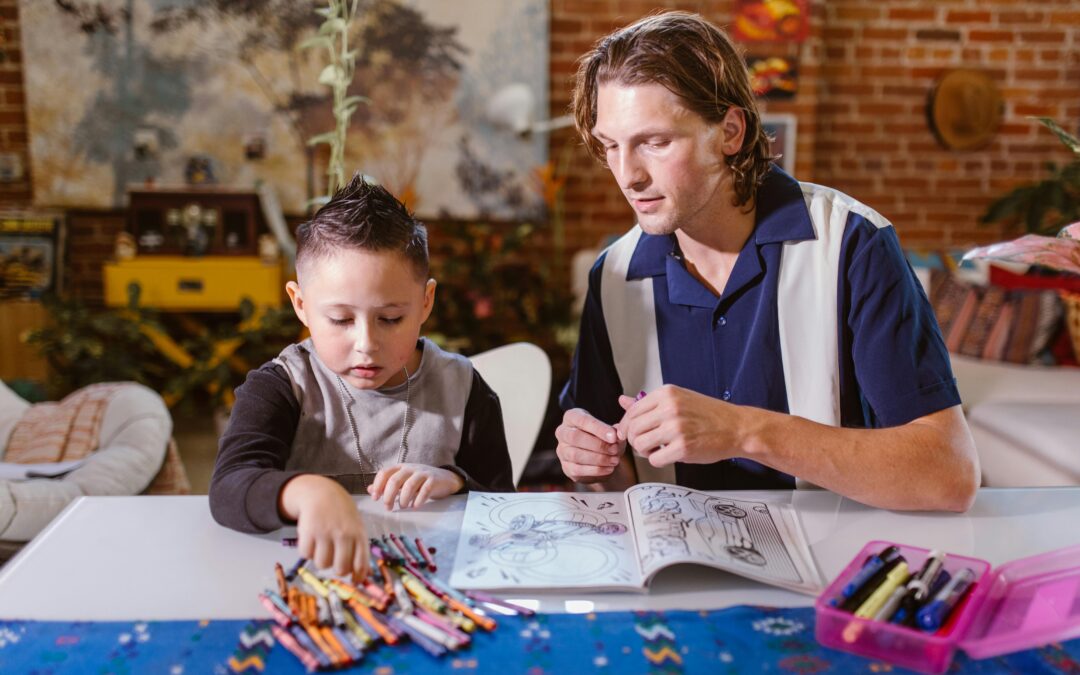
Have you ever stopped to think about who inspires you? Whether it’s a famous leader, a family member, or even a fictional character, the people we admire shape the way we see the world—and ourselves. Choosing a good role model isn’t just about having someone to look up to; it’s about surrounding yourself (even mentally) with values and behaviours that influence your life in ways you might not even realise.
What Makes a Good Role Model?
A good role model doesn’t have to be perfect (because, let’s be honest, nobody is). But they should have qualities that push you to be a better version of yourself. Things like:
- Kindness – Do they treat people with respect?
- Determination – Do they keep going even when things get tough?
- Integrity – Do they do what’s right, even when no one is watching?
- Passion – Do they genuinely love what they do?
If someone you admire embodies these traits, chances are they’ll inspire you to develop them too.
How Role Models Shape Us
The people we look up to influence our choices, big and small. If your role model is hardworking, you might find yourself putting in extra effort at school or work. If they’re kind and compassionate, you might notice yourself being more patient and understanding with others. The more we admire someone, the more we subconsciously adopt parts of their behaviour.
But the reverse is also true—if you idolise someone who makes reckless decisions or treats others poorly, you might start to think those behaviours are acceptable. That’s why it’s important to choose your role models wisely.
Finding the Right Inspiration
So, how do you find a role model who helps you grow? Start by asking yourself:
- What kind of person do I want to be?
- Who in my life (or in the world) reflects those qualities?
- What can I learn from them?
It could be a teacher who never gives up on their students, an artist who turns challenges into creativity, or even a friend who always lifts others up. Role models don’t have to be celebrities—they can be anyone who makes you want to be better.
Final Thought
Who you admire says a lot about you. So, choose wisely! Look up to people who inspire growth, kindness, and passion. And remember, one day, someone might look up to you—so be the kind of person worth admiring.
🌟 Free Resource for Parents & Educators
Seeking a gentle approach to support your child’s emotional well-being and learning journey?
We’re offering a free download of Positive Thoughts: Mindfulness Quotes and Daily Affirmations for Inner Peace—a beautiful, calming resource designed to help young learners feel empowered, grounded, and more confident every day.
Perfect for home education, EOTAS, or simply creating mindful family routines.
👉 [Download it here for free]

by Helen Kenworthy | Mar 6, 2025 | Education
Hey you, yes YOU! Let’s have a real talk. Mental health – two words that sometimes feel like a giant elephant in the room, right? You’ve probably heard the phrases: “Just get over it,” “Stop overthinking,” or the classic “Back in my day, we didn’t have anxiety.” Sound familiar? Well, let’s set the record straight.
You’re Not Alone
Imagine carrying a backpack. At first, it’s light—just a few books and maybe a snack. But every time someone dismisses your feelings or tells you to “man up” or “cheer up,” another rock gets thrown in. Before you know it, your backpack is so heavy you can barely stand. That’s what stigma does—it makes mental health struggles feel like something to be ashamed of, something to hide. But here’s the truth: 1 in 4 young people experience mental health challenges. If you’re struggling, guess what? You’re not alone. Not even close.
How to Stop Mental Health Stigma
Stopping the stigma around teenage mental health isn’t just important—it’s necessary. Here’s how we can ALL make a difference:
- Talk About It – Silence fuels stigma. When we talk openly about mental health, we show others that it’s okay to struggle and seek help. Start conversations with friends, family, and teachers.
- Use Supportive Language – Words matter. Instead of saying, “They’re just being dramatic,” try “They might be going through something difficult.” Small language changes make a big impact.
- Challenge Stereotypes – Mental health struggles don’t make someone weak or incapable. If you hear someone making assumptions or jokes about mental health, call them out and educate them.
- Encourage Professional Help – Seeing a therapist is not a sign of failure—it’s self-care. If you or someone you know is struggling, encourage them to reach out to a professional.
- Be a Safe Space – Let your friends know you’re there for them without judgment. A simple, “I’m here for you,” can mean the world to someone who feels alone.
- Educate Yourself and Others – Read up on mental health, share articles, and attend workshops. The more we know, the better we can support each other.
- Be Kind to Yourself – Ending stigma starts with self-acceptance. If you’re struggling, don’t be too hard on yourself. Seeking help isn’t a weakness; it’s a sign of strength.
Today, take one step toward breaking the stigma. Share a positive message about mental health, check in on a friend, or challenge harmful stereotypes when you hear them.
🌟 Free Resource for Parents & Educators
Seeking a gentle approach to support your child’s emotional well-being and learning journey?
We’re offering a free download of Positive Thoughts: Mindfulness Quotes and Daily Affirmations for Inner Peace—a beautiful, calming resource designed to help young learners feel empowered, grounded, and more confident every day.
Perfect for home education, EOTAS, or simply creating mindful family routines.
👉 [Download it here for free]

by Helen Kenworthy | Feb 24, 2025 | Education
Hey, students! Ever feel like studying makes your brain feel overloaded? You’re not alone! Learning is important, but so is looking after your mental health. If schoolwork ever feels stressful, here are some simple ways to keep your mind happy while staying on top of your studies.
- Take Brain Breaks
Your brain needs rest just like your body does! Short breaks while studying help you stay fresh and focused. Try stepping outside, stretching, or listening to music for a few minutes.
- Make a Study Plan (But Keep It Flexible!)
Having a plan helps you avoid last-minute panic. Set small, realistic goals, and don’t stress if things don’t go perfectly—learning is a process!
- Don’t Be Afraid to Ask for Help
Struggling with a subject? That’s okay! Ask a teacher, friend, or family member for support. Learning is easier (and more fun) when you have help.
- Stay Active
Moving your body helps your brain work better! Whether it’s a quick walk, dancing, or playing a sport, exercise is a great way to clear your mind and boost your mood.
- Sleep is Super Important
Your brain does a lot of work while you sleep, helping you remember what you’ve learned. Aim for enough rest so you feel refreshed and ready to take on the day.
- Make Learning Fun
Studying doesn’t have to be boring! Try using colours, drawings, or even making up songs to remember things. Find what works for you!
- Talk About Your Feelings
Feeling stressed? It’s okay to say so! Talking to someone you trust—whether it’s a friend, teacher, or parent—can help lighten the load.
You’ve Got This!
Being part of a creative, supportive space like the ESB can make learning feel exciting instead of stressful.
Learning should help you grow, not wear you out. Take care of your mind, be kind to yourself, and remember—you’re doing great!
Come join ESB and explore learning without stress!
🌟 Free Resource for Parents & Educators
Seeking a gentle approach to support your child’s emotional well-being and learning journey?
We’re offering a free download of Positive Thoughts: Mindfulness Quotes and Daily Affirmations for Inner Peace—a beautiful, calming resource designed to help young learners feel empowered, grounded, and more confident every day.
Perfect for home education, EOTAS, or simply creating mindful family routines.
👉 [Download it here for free]
by Helen Kenworthy | Feb 19, 2025 | Education
Ever feel like everyone at school is having fun without you? Maybe you hear your friends talking about a fun game they played or a project they worked on together, and you wish you had been there too. That feeling? It’s called FOMO—Fear of Missing Out—and it happens to all of us!
But guess what? You don’t have to let FOMO take over your life. Here’s how to deal with it and enjoy school without worrying about what others are doing.
- You Can’t Do Everything (And That’s Okay!)
There are many school activities—sports, art, drama, music, and fun projects. It’s impossible to do all of them! Pick the things that make you happy and enjoy them. You’re not missing out—you’re choosing what matters to YOU.
- Social Media Isn’t Real Life
Seeing other kids post their ‘perfect’ moments online? Remember, they don’t post the boring stuff—like homework, chores, or awkward moments. Life isn’t a highlight reel, so don’t compare your everyday life to someone else’s best bits.
- Be Present and Have Fun
If you’re always thinking about what you’re missing, you won’t enjoy what you ARE doing! Whether you’re playing a game, drawing, or just having lunch with a friend, focus on the moment and make it fun.
- Talk to Your Friends
Feeling left out? Tell your friends! Let them know how you feel—maybe they didn’t realise you wanted to join in. Try asking open-ended questions like, “What was the best part?” or “Can we do something like that together next time?” Being honest about your feelings can help strengthen friendships and make sure no one feels left out. Maybe they didn’t realise you wanted to join in. Or better yet, make your plans! Suggest a game to play at break time, start a fun project, or invite a friend over after school.
- Make Your Own Fun
You don’t need an invite to have fun! Plan something yourself—whether it’s a lunchtime game, a cool craft, or just laughing with friends. The best memories come from doing things YOU enjoy.
- Trust Your Own Path
Not everyone likes the same things, and that’s fine. Just because someone else is doing something cool doesn’t mean you’re missing out. Focus on what makes YOU happy, and don’t stress about the rest.
Final Thought
FOMO is just a feeling—it doesn’t have to control you! Overcoming it helps you build confidence and independence, making you surer of yourself and your choices. School is about making memories; the best ones happen when you enjoy your journey, not someone else’s.
So next time you feel FOMO creeping in, take a deep breath and remember—you’re not missing out, you’re living YOUR best life!
🌟 Free Resource for Parents & Educators
Seeking a gentle approach to support your child’s emotional well-being and learning journey?
We’re offering a free download of Positive Thoughts: Mindfulness Quotes and Daily Affirmations for Inner Peace—a beautiful, calming resource designed to help young learners feel empowered, grounded, and more confident every day.
Perfect for home education, EOTAS, or simply creating mindful family routines.
👉 [Download it here for free]
by Helen Kenworthy | Feb 11, 2025 | Education
School can be exciting for children, but let’s be honest—it can also be stressful. Homework piles up, friendship dramas unfold, exams loom, and sometimes, it all feels too much. As parents, we want to help, but knowing how isn’t always easy. So, how can you support your child through school stress without adding to the pressure? Here are some simple, practical tips to help you navigate this together.
- Listen First, Fix Later
Sometimes, kids don’t need a solution—they just need to vent. If your child comes home frustrated about a tough day, resist the urge to jump in with advice straight away. Instead, ask open-ended questions like: “That sounds hard. Do you want to talk about it? Just listening can make a huge difference.
- Create a Calm Home Environment
School stress is often unavoidable, but home should feel like a safe, relaxing space. Simple things like: Keeping a predictable routine OR Making time for fun, laughter, and downtime. A peaceful home can help balance the chaos of school life!
- Teach the Power of Taking Breaks
Encourage your child to step away from homework when they feel overwhelmed. A short break—whether it’s a quick walk, playing with a pet, or listening to music—can reset their focus. Sometimes, 10 minutes away from a problem is all they need to solve it.
- Avoid the ‘All About Grades’ Trap
Of course, we want our kids to do well, but focusing only on results can pile on unnecessary pressure. Instead of saying, “You need to get top marks,” try: “I’m proud of the effort you put in.” It’s about progress, not perfection!
- Encourage Healthy Habits
Good sleep, a balanced diet, and regular exercise aren’t just good for physical health—they massively impact mental well-being too.
- Help Them Stay Organised (Without Taking Over!)
Some kids struggle with managing time, which can make school feel overwhelming. Teach them simple organisation skills like Breaking big tasks into smaller steps OR packing their bag the night before to avoid last-minute stress. The trick is to guide, not take over—let them develop independence while still offering support!
- Keep Communication Open
Let your child know they can talk to you, no matter what. Sometimes, they might feel like they have to handle everything alone, but a simple “I’m here for you” can go a long way.
And if stress starts feeling too big—if they’re anxious, overwhelmed, or withdrawing—don’t hesitate to reach out to their teacher or a school counsellor for extra support.
Final Thoughts
School stress is real, but with the right support, your child can learn to manage it healthily. Be their safe space, remind them they’re more than their grades, and most importantly—keep cheering them on.
Do you have any go-to stress-busting tips for your child? Share them in the comments! Let’s support each other
🌟 Free Resource for Parents & Educators
Seeking a gentle approach to support your child’s emotional well-being and learning journey?
We’re offering a free download of Positive Thoughts: Mindfulness Quotes and Daily Affirmations for Inner Peace—a beautiful, calming resource designed to help young learners feel empowered, grounded, and more confident every day.
Perfect for home education, EOTAS, or simply creating mindful family routines.
👉 [Download it here for free]