by Helen Kenworthy | Apr 8, 2026 | Brilliantly Underestimated
There are times when students sit in front of a task, knowing what is expected, but cannot get started. It is not because they are not capable, and it is not because they are not trying. Often, it is because something underneath does not feel settled.
At Education Selection Box, we often see this, especially for students with SEND or those learning outside traditional settings. The challenge is not always the subject. It is whether the student can access their learning in that moment.
In a recent session, a GCSE student was preparing for exams while also managing ongoing communication challenges at home. It quickly became clear that progress was not going to come from the task alone. The student needed the right conditions to engage.
Using a GCSE English Language writing task, the student was asked to create a “Teenage Manual”, explaining how teenagers think, feel, and what they need from their parents.
Although this sits within the exam framework, it opened something more. It gave the student a way to organise their thoughts and express what they were experiencing. As the task began to connect to real life, the writing started to improve naturally. The student stopped trying to force complicated language and focused instead on saying what they actually meant. That shift led to clearer, more structured writing.
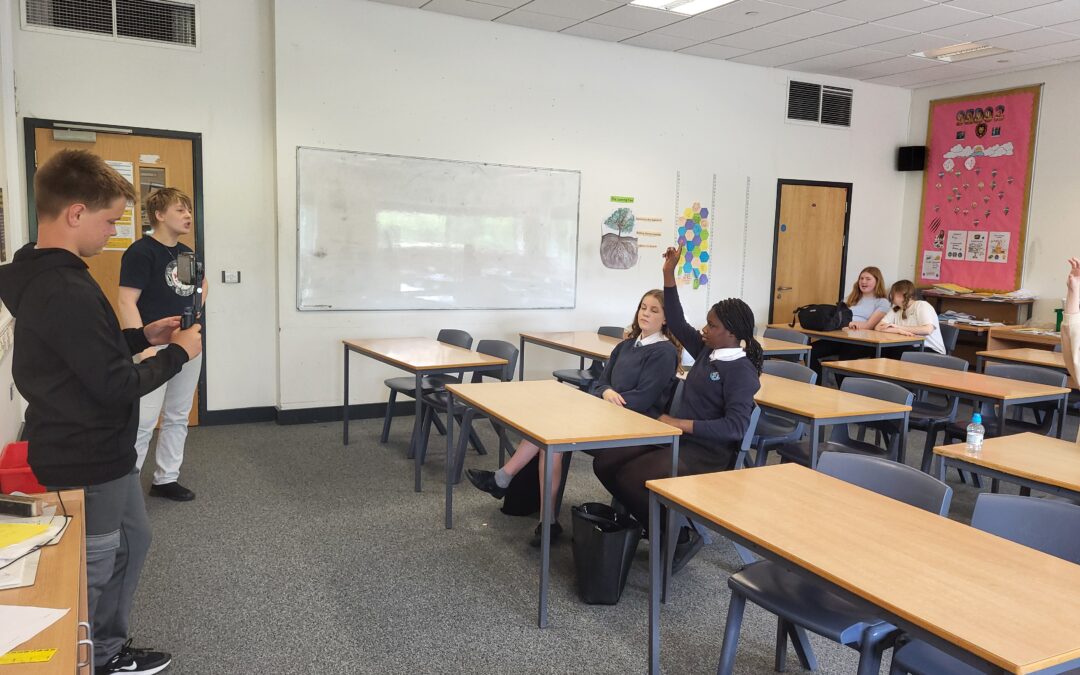
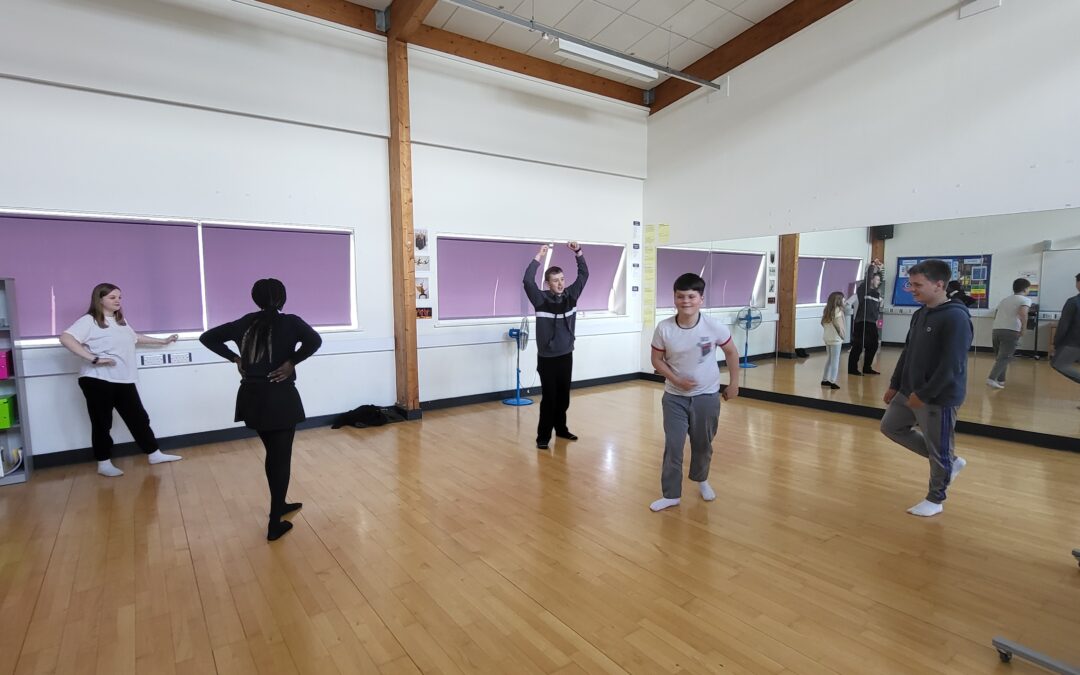
To support this, a structured approach was used to explore different ways of responding. Through role play and shared thinking, the student was able to see situations from both sides, experiment with language, and build confidence in how they communicated.
The result was not just a stronger exam response. The student became more engaged, more confident, and more able to complete the task.
This highlights something important. For many students, the challenge is not ability, it is access. When learning is structured in a way that supports both understanding and emotional readiness, students are far more able to show what they can do.
At Education Selection Box, this is central to the approach. It is about creating learning that is clear, supportive, and accessible, so that every student has the opportunity to succeed.
🎥 Watch the full video here
https://youtu.be/q5iXFh8Wj9s
👉 Grab your free confidence-boosting book here:
https://www.educationselectionbox.com/free-download/
✨ Creative Pathway Methodology: Of Course You Can!™ serving the brilliantly underestimated
by Helen Kenworthy | Apr 1, 2026 | Brilliantly Underestimated
It is something many parents hear, directly or indirectly.
That learning should look a certain way.
That children should follow the same pace, the same structure, and the same approach.
And when that does not happen, it can feel worrying. Questions start to arise. Is something wrong? Are they falling behind? Should they be doing more?
But what if the problem is not your child?
At Education Selection Box, we work with families who are navigating exactly this. Many are supporting children who are capable, thoughtful, and full of potential, but who do not thrive in traditional learning environments.
Often, these are the children who are brilliantly underestimated.
They may need a different pace.
A different approach.
Or simply the right environment to feel safe enough to engage.
The truth is that children do not all learn in the same way. Some respond well to structure and clear guidance. Others need creativity, movement, and space to explore. Many need a balance of both.
There are also times when a child needs to pause before they are ready to take part. This is not a step backwards. It is often part of the process of building confidence and trust.
What makes the difference is not forcing a child to fit a system, but adapting the approach to fit the child.
When this happens, learning begins to feel different.
Children start to engage more naturally.
They begin to express themselves.
And over time, their confidence grows.
These are the moments where something shifts. Where a child begins to realise that they can do it, even if it did not feel that way before.
Through the Creative Pathway across RYTC, ESB, and GGGE, we bring together learning, creativity, and career development to support children in a more holistic and meaningful way.
Because education is not only about keeping up. It is about understanding, confidence, and creating a path that works.
So no, there is not one way to learn.
There are many.
And the right one is the one that works for your child.
💬 Let us know in the comments — what kind of learner is your child, or what seems to work best for them?
This week, remember: there is no one way to learn. The way that works for your child is the right one.
👉 Grab your free confidence-boosting book here:
https://www.educationselectionbox.com/free-download/
If this resonates and you want to see this approach in action, this short video brings it to life:
🎥 https://youtu.be/xoKKpBZCsus
Creative Pathway Methodology: Of Course You Can!™ serving the brilliantly underestimated
by Helen Kenworthy | Mar 25, 2026 | Brilliantly Underestimated
Sometimes, when a child is not engaging, it is easy to think they just need a bit more encouragement. A bit more focus. A push to get back on track.
But there are moments when what looks like disengagement is actually overwhelm.
And in those moments, continuing as normal can make things harder rather than easier.
Overwhelm does not always look obvious. It can be quiet. A child becoming still. Losing focus. Taking longer to respond. It can look like a lack of effort, when in reality they are already using a lot of energy just to stay present.
When we start to see this differently, something shifts.
Instead of asking how to get them to continue, we begin to ask what they might need right now.
And often, the answer is simple.
Space.
A chance to step away, even briefly, can make a big difference. When the pressure is removed, the body can begin to settle. And when the body settles, the mind has a better chance of catching up.
In learning, we often focus on keeping things moving. Finishing the task. Reaching the outcome. Staying on track.
But learning does not always work like that.
Sometimes, the moment a child slows down or pauses is not a problem to fix. It is a moment where they are trying to make sense of things in their own way.
And when that moment is allowed, rather than rushed, learning can continue in a way that feels more steady and more understood.
Not every child will be able to explain what is going on straight away. They may not have the words for it. They may not fully understand it themselves.
And that is okay.
They do not always need to explain it to be supported.
Sometimes, it is enough to adjust what is happening around them. A calmer tone. A slower pace. Less pressure to respond immediately.
These small changes can make a big difference.
Because learning is not just about what is being taught. It is also about whether a child feels able to receive it.
And that is shaped by the environment, the pace, and the expectations around them.
When a child feels safe, their ability to learn changes. They are better able to focus, take things in, and engage.
And sometimes, creating that safety starts with something basic.
Allowing them to pause.
🎥 Watch the moment here:
https://youtu.be/Ehzu8yNVxy4
At ESB, we believe learning starts with understanding the child. Through the Creative Pathway across RYTC, ESB, and GGGE, education, creativity, and future opportunities are brought together to support each young person in a way that works for them.
📥 Free resource: https://www.educationselectionbox.com/free-download
Creative Pathway Methodology: Of Course You Can!™ serving the brilliantly underestimated
by Helen Kenworthy | Mar 18, 2026 | Brilliantly Underestimated
For many families, education can feel like a simple choice. You are either in school or you are not.
But in reality, it is not that simple.
There are many different ways children can learn. And for some, those different ways can make a real difference.
This is what we mean by alternative education.
What Alternative Education Really Means
Alternative education is not a single system. It includes approaches such as flexi-schooling, home education, blended learning, or a mix of different approaches.
These can work together. It’s not about choosing one option but finding what works best for the child.
Moving Beyond One Way of Learning
Children do not all learn in the same way.
Some do well in structured classrooms. Others need more flexibility. Some learn best through creativity or practical experiences. Others need a slower pace.
Alternative education allows learning to be shaped around the child, rather than expecting the child to fit one system.
How It Works and Where to Start
In practice, alternative education often combines different approaches. A child might attend school part-time, take part in creative programmes or tutoring, and receive additional support for confidence and wellbeing.
Starting can feel overwhelming, but it doesn’t have to be.
It begins with understanding what your child needs, what environment helps them feel comfortable, and what kind of support will help them grow.
Support and the Creative Pathway Methodology
Alternative education does not mean doing everything alone. There are educators and organizations that understand different pathways and can guide families through the process.
Through the Creative Pathway across RYTC, ESB, and GGGE, learning, creativity, and career development are brought together, helping young people build confidence, develop skills, and begin to explore future opportunities.
A Growing Conversation
More families are now asking questions about alternative education, and that matters.
Because when we understand the different options available, we can better support children to learn in a way that works for them.
A full explainer is on the way to help guide families further.
Want to See It Explained Simply?
This short video explains alternative education in a clear and accessible way:
👉 https://youtube.com/shorts/kl1Wp7jOSdI
✨ Creative Pathway Methodology: Of Course You Can!™ serving the brilliantly underestimated
by Helen Kenworthy | Mar 11, 2026 | Brilliantly Underestimated
Sometimes the most useful questions are the simplest.
What makes you smile?
Not the big achievements. Not the special occasions. Just the small, everyday things that quietly make a day feel better.
In a recent reflection, Helen shared five of the things that make her smile. They are not complicated, but each one creates a moment of ease.
Here are Helen’s five.
- Green space
For Helen, one of the first things that makes her smile is being in a green space. That moment when you step outside, the air feels different, and your shoulders drop as your body finally breathes out.
- Seren
Seren, whom she describes as joyful at all times. Sometimes, the people or companions in our lives bring a natural sense of happiness simply by being themselves.
- Friends and good conversation
Spending time with friends, sitting together with a cup of tea, talking and laughing until suddenly you realise that hours have passed without noticing.
- Finding her own way of doing things
Another thing she mentions is discovering that you can do something in your own way. She talks about throwing a ball for Seren and realising she never really learned how to throw it “properly”. But she found her own way of doing it. Sometimes the joy is simply in finding ways of doing things that work for you, even if nobody else does them the same way.
- A very specific coffee
And then there are the small rituals. For Helen, it’s a very specific coffee. One shot, oat milk, creamy enough that you can almost spoon the foam.
When you hear someone share their five things, something interesting happens.
You start thinking about your own.
These small moments matter more than we often realise. They help the body settle, the mind slow down, and the day feel more manageable.
For many young people, especially those who feel overwhelmed in traditional learning environments, these moments can make a real difference.
Learning does not happen best under constant pressure. It happens when the brain feels safe enough to be curious.
Moments of calm, connection, and enjoyment help regulate the nervous system. When that happens, focus improves, thinking becomes clearer, and confidence begins to grow.
At Education Selection Box, we encourage learners, families, and educators to notice the small things that help a day feel steadier and more manageable.
Sometimes supporting learning does not mean changing everything.
Sometimes it begins with recognising the small things that help.
So here is a question worth asking.
What are five things that make you smile?
And how often do those things appear in your day?
🎥 You can watch Helen share her five things here:
https://youtu.be/FG7GMaD62GQ
Creative Pathway Methodology: Of Course You Can!™ serving the brilliantly underestimated