by Helen Kenworthy | Jan 30, 2026 | Brilliantly Underestimated
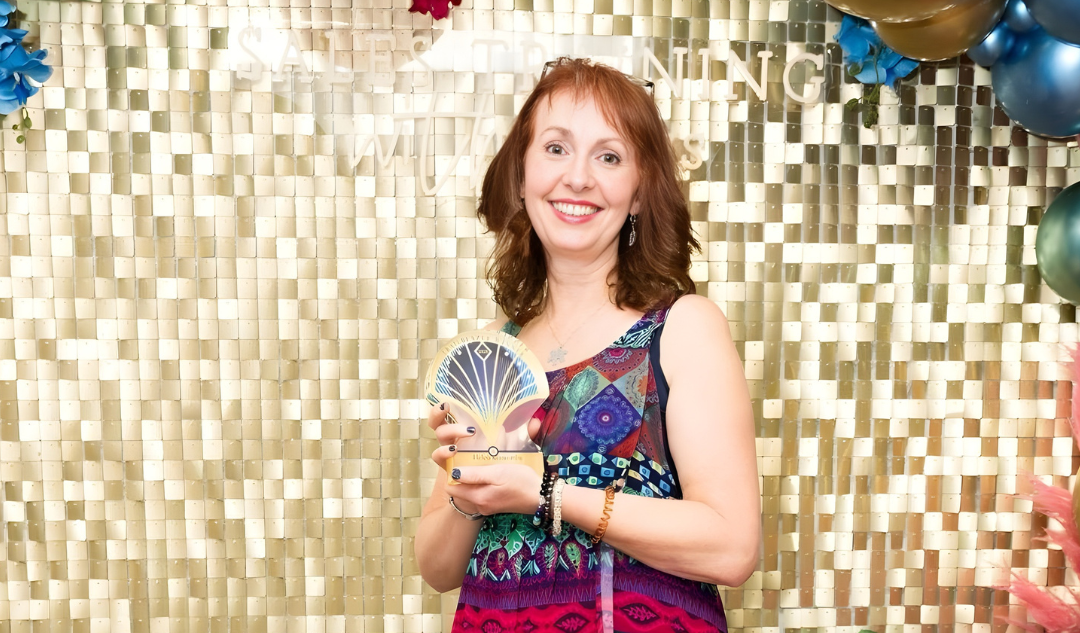
At Education Selection Box, recognition comes not from short-term wins, but from the consistency of our work and the impact it has over time.
A core part of this consistency is our bespoke curriculum and academic learning. We provide tailored support that adapts to each learner, recognising that progress looks different for everyone. Alongside academic work, we offer mental health support in schools and with young people more widely, understanding that learning is most effective when young people feel supported, regulated, and understood.
Many of the learners we work with are brilliantly underestimated. They often arrive with strengths that have been overlooked, alongside challenges that have not been met with the right support. Our role is to meet learners where they are, holding both strengths and difficulties together. We work carefully on areas of challenge while actively celebrating strengths, so that learners can build confidence and shine.
This is why our programmes are bespoke, user-friendly, and person-centred. Support is designed to be accessible and practical, shaped around the learner rather than the system.
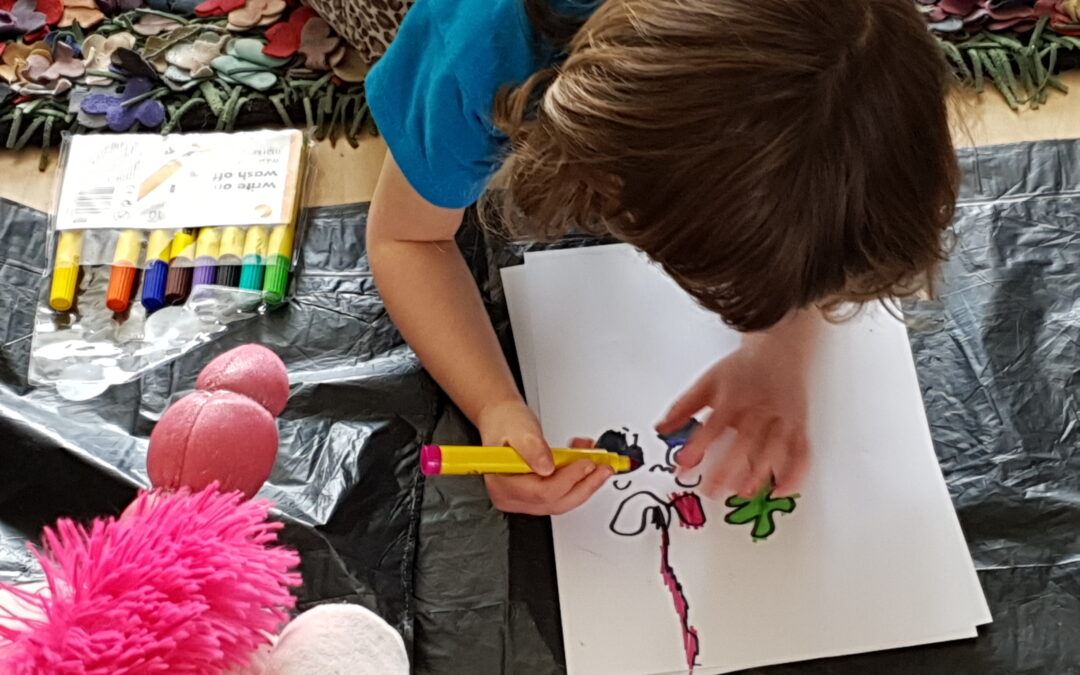
Our academic work is combined with creative arts and clear progression routes into the world of work and career development through our Creative Pathway methodology. This approach brings together academic learning, creativity, and future career opportunities. Learning is not separated from wellbeing, and progress is not separated from confidence.
The recognition we have received reflects this consistency. It acknowledges an approach that continues to listen, adapt, and respond to real needs, creating education that fits the learner and supports long-term growth.
Watch our journey in action
This short video shares more about our work, our partnerships, and why this approach matters:
👉 https://youtu.be/gAY0ox9zrcs
Free resource
Download our free resource to support confidence and wellbeing for young people:
👉 https://www.educationselectionbox.com/free-download
Every child is different.
If you would like support that fits your child and your family, let us know what support your child needs in the comments below. We are here to help.
Creative Pathway Methodology: Of Course You Can!™ serving the brilliantly underestimated
by Helen Kenworthy | Jan 23, 2026 | Brilliantly Underestimated
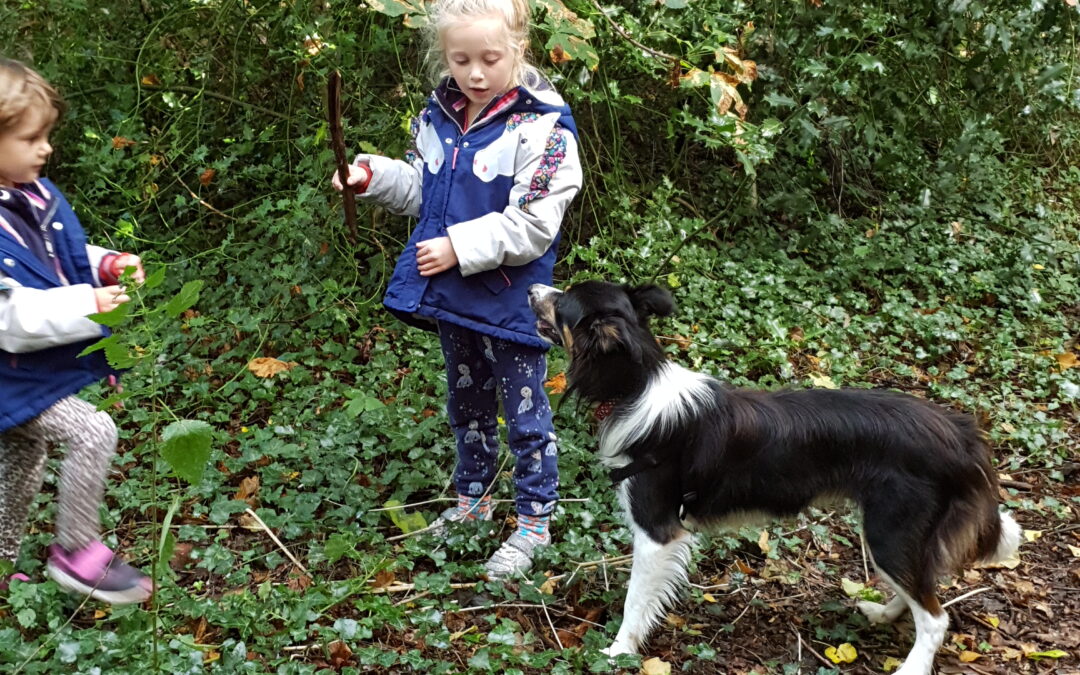
Fresh air is often treated as a break from learning. At Education Selection Box, we see it as part of how learning becomes possible.
Many children put in a great deal of effort just to stay focused, calm, and engaged. For the brilliantly underestimated, busy learning environments can feel overwhelming, even when the learning itself is supportive. Noise, pressure, and constant expectation can make it harder to concentrate or feel confident.
Stepping outside can gently change the pace.
Fresh air gives children space to breathe, move, and reset. It helps the body settle and the mind slow down. When children feel calmer, learning feels less demanding and more accessible.
Learning itself takes emotional effort. It requires focus, confidence, and a sense of safety. At ESB, we support children whose strengths are often missed because systems move too quickly or expect everyone to learn in the same way. When pressure builds, learning can begin to feel heavier than it needs to be.
That is why something as simple as fresh air matters.
These moments are not time taken away from learning. They help children regulate so they can return feeling calmer, clearer, and more able to engage.
For the brilliantly underestimated, this space is often essential. When learning takes more effort, fresh air can make a real difference to how a child feels and functions. Confidence grows when children feel supported, not rushed.
The Education Selection Box is part of the Creative Pathway Methodology that connects learning, creativity, and personal growth. Working alongside RYTC and Give-Get-Go Education, we support children and young people as they build confidence, explore creativity, and move towards future opportunities. This joined way of working recognises that learning works best when wellbeing is supported too.
🎥 This short video helped shape the thinking behind this piece:
https://youtu.be/AYZGoRmeCGo
Progress does not always come from doing more.
Sometimes it begins by stepping outside, taking a breath, and returning ready.
Creative Pathway methodology; Of Course You Can™ serving the Brilliantly Underestimated.
by Helen Kenworthy | Dec 16, 2025 | Education
At Education Selection Box, we work with families and educators who are doing everything they can within education systems that often do not reflect how children actually learn.
What we see repeatedly is not a lack of ability, effort, or care.
It is a lack of fit.
Too many capable young people struggle not because they cannot learn, but because learning environments are rigid, fragmented, or emotionally unsafe. Behaviour is often addressed before communication is understood. Support is added in pieces rather than designed as a whole. Families are left navigating complexity while children quietly lose confidence in themselves and in education.
These are the learners we describe as the Brilliantly Underestimated.
They are curious, perceptive, and capable. Their potential is real, but it is often overlooked when systems prioritise compliance over connection and outcomes over understanding. When education does not adapt to how a young person thinks, feels, or processes the world, difficulty quickly becomes the focus instead of possibility.
Education Is Built Through Community, Not Just Systems
Education does not sit in one place.
It is shaped by families, schools, creative spaces, and the wider community around a young person. When responsibility for learning is shared, education becomes more flexible, more humane, and far more effective.
Redesigning education at a community level means:
- placing emotional safety before performance
- recognising regulation as the foundation for learning
- valuing creativity as a powerful entry point, not an optional extra
- working collaboratively instead of in isolated silos
This is where meaningful change begins.
A New Space: Creative-Integrated Education
At Education Selection Box, we do not sit within “alternative tutoring.”
We work within a new space: Creative-Integrated Education.
This approach brings together learning support, creativity, and mental health awareness into one tailored experience, placing the individual—not the system — at the center. It recognises that creativity unlocks learning, wellbeing fuels progress, and young people thrive when they are met as individuals rather than problems to be solved.
Through our integrated methodology, developed in partnership with RYTC Creatives CIC and Give Get Go Education, we support children and young people academically, emotionally, and creatively across different stages of their lives. Rather than offering a long list of disconnected services, we provide joined-up pathways that reflect how learning and development actually happen.
This integrated model allows young people who do not fit traditional education to achieve their potential, not just cope.
Supporting Families With Child-Centred Pathways
Many families come to the Education Selection Box feeling exhausted, overwhelmed, or unsure where to turn next. They have tried to follow the rules, attend the meetings, and make systems work that were never designed around their child.
Child-centered education begins with listening.
It starts with understanding the young person before the plan. It focuses on what helps them feel safe, regulated, and confident enough to engage with learning, rather than forcing them to adapt to rigid expectations.
We work closely with families, offering practical guidance, clear communication, and real examples of what has worked for others. By sharing our experience and resources, we help families move forward with clarity and confidence.
Inspiring the Brilliantly Underestimated to Love Learning Again
Our work is rooted in one clear purpose:
We inspire the brilliantly underestimated to love learning—on their terms, at their pace, in their way.
By combining tutoring, creativity, and wellbeing within one integrated framework, we help young people rebuild confidence, rediscover curiosity, and develop the skills they need for meaningful and manageable futures.
This includes guiding older learners towards creative careers and transferable skills that support adult life beyond education, recognising that learning and growth do not stop at school.
Reaching Out Is Part of the Journey
Asking for support is not a failure.
It is often the most important step forward.
If education feels like a constant struggle, if your child feels misunderstood or overwhelmed, or if you are unsure what the next step should be, you do not have to navigate this alone.
Creative-integrated education offers an alternative to fragmented systems. It creates space for understanding, progress, and hope.
At Education Selection Box, we are committed to supporting both students and their families with care, experience,and practical guidance—and to building trust through connection, consistency, and real outcomes.
How to Take the Next Step
If you would like support, guidance, or simply a place to start, you can connect with us in the following ways:
📥 Download our free resource
A gentle, practical guide designed to support learning and well-being:
👉 https://www.educationselectionbox.com/free-download
📩 Contact Education Selection Box
To talk through your child’s needs or explore child-centered education options:
👉 https://www.educationselectionbox.com/contact-form
Education Selection Box exists to ensure the Brilliantly Underestimated are seen, supported, and empowered—not just to survive education, but to truly thrive.
by Helen Kenworthy | Dec 2, 2025 | Brilliantly Underestimated
Every week, I meet young people who have been misunderstood not because of their ability, but because of the environments they’ve been expected to learn in. Their behaviour is interpreted long before their strengths are explored, and families are often left explaining, clarifying, or trying to help professionals see the child behind the surface.
For the young people I call the “brilliantly underestimated,” this is a familiar pattern. They are perceptive, creative, and capable, but their strengths don’t always show up in the narrow ways traditional systems measure success. If a learning environment isn’t aligned with how a child thinks, feels, or processes, their behaviour becomes the focus long before anyone considers what they are trying to communicate.
This is exactly why integrated creative education matters; not as an alternative option, but as a model that finally aligns with how these young people learn.
The Cost of Fragmented Support
Many brilliantly underestimated learners navigate systems that break their support into separate parts. Their academic needs are addressed in one place, their well-being somewhere else, while their creative strengths are treated as enrichment rather than a central part of learning. Each service sees only a fraction of who they are. This leaves young people repeating their story, adjusting to inconsistent expectations, and rarely experiencing the steady, joined-up support they need.
In mainstream settings, this fragmentation often looks like this:
- A child is attending literacy intervention, but the class teacher remains unaware of the strategies being used, so the pace and expectations in the classroom never change.
- A young person is receiving well-being support, yet none of the emotional regulation strategies are reinforced during lessons, leaving them dysregulated the moment they return to class.
- Creative subjects are being used as rewards, meaning the very activities that help young people regulate, express themselves, and learn effectively are withheld when they’re struggling most.
- Professionals working in isolation—speech and language therapists, SENCOs, teachers, and counsellors all assessing separately, with no shared plan or communication.
- A child with sensory needs is being given ear defenders, but the teaching style, transitions, and environment remain the same—so the real challenges continue unaddressed.
For a child who relies on clarity, emotional safety, expression, and consistency, this fragmentation becomes overwhelming. They don’t need a long list of separate services. They need one approach that sees the whole child and responds to the whole child.
Why I Created an Integrated Model of Learning, Creativity, and Wellbeing
I built the Creative Pathway methodology from lived experience. I was once the child who didn’t fit the traditional mould. Creativity gave me a voice long before the classroom did, and that experience shaped my belief that learning, well-being, and creativity should never exist in isolation.
Young people thrive when teaching adapts to them, when creativity supports confidence, and when well-being is embedded into the learning process. This belief became the foundation of our integrated model — and the reason Education Selection Box, RYTC Creatives CIC (The RYTC), and Give-Get-Go Education work together as one connected ecosystem.
How Integration Works in Practice
Bringing Education Selection Box, RYTC Creatives CIC (The RYTC) and Give-Get-Go Education together allows us to deliver one integrated model based on:
- Tailored teaching
- Creative pathways
- Wellbeing-led support
- Hands-on skill-building
Here are a few examples of what this looks like across the partnership:
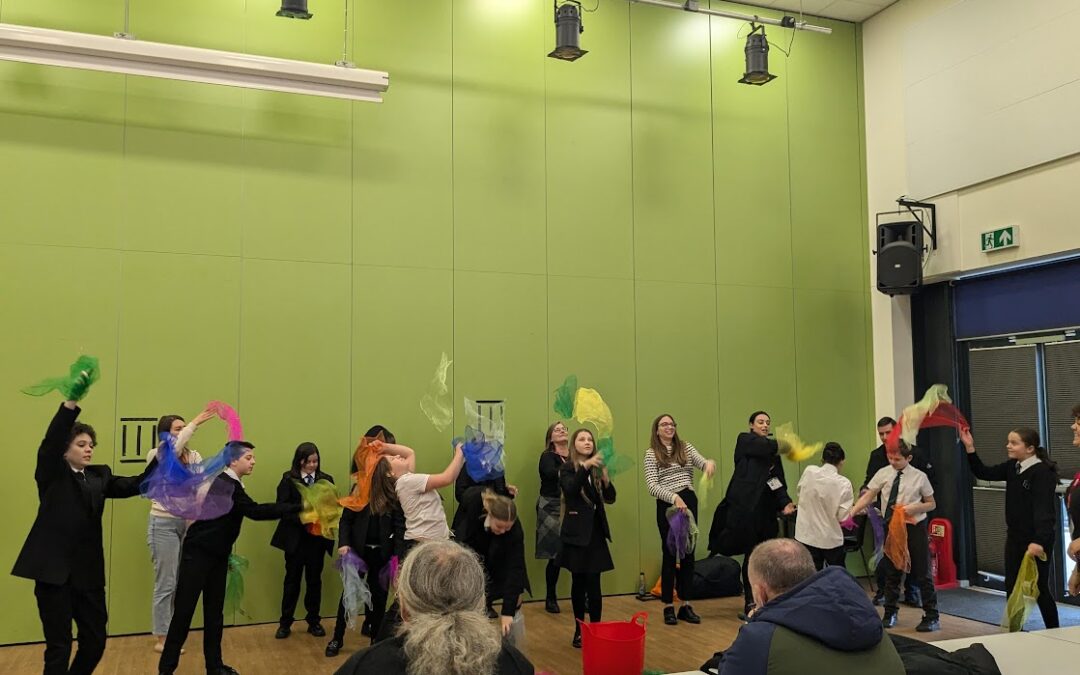
- A child builds confidence through drama at The RYTC, using role-play to practise communication and self-expression, which then supports their ability to engage with reading and writing during ESB sessions.
- A neurodiverse learner finds emotional safety through creative exploration at The RYTC, and because the team shares insights with ESB, teaching is adapted around their sensory and processing needs—creating a consistent experience across both settings.
- A young person who felt disengaged in mainstream school discovers a spark during a film project with GGGE, and ESB uses that interest to create personalised learning tasks linked to storyboarding, sequencing, and literacy.
- A learner struggling with anxiety builds regulation through movement-based drama at The RYTC, and these strategies are then reinforced during academic work with ESB—creating continuity instead of mixed messages.
- A student takes part in a collaborative project across all three organisations, where they rehearse a short performance at The RYTC, strengthen literacy skills by scripting and planning with ESB, and learn practical production skills through GGGE—seeing their creativity, learning, and confidence come together in one complete pathway.
Together, these approaches create an environment where every part of a young person’s development reinforces the next.
Why Integration Matters for the Brilliantly Underestimated
Brilliantly underestimated learners do not lack potential.
What they lack is an environment that sees how capable they truly are.
Many struggle not because of inability, but because traditional classrooms move too quickly, rely heavily on compliance, or expect learning to look one specific way. Creativity—their natural language—is often overlooked. Wellbeing support is provided separately from academic work. And progress is measured by performance rather than growth.
Integrated creative education changes the experience entirely. It allows young people to learn in ways that feel safe, relevant, and achievable. Confidence grows naturally. Expression becomes easier. Emotional regulation strengthens. And learning becomes something they can return to, rather than escape from.
A Joined-Up Experience They Can Trust
Across our partnership, integration looks like:
- A child using drama to build confidence before moving into literacy work.
- A young person finding regulation through creativity, allowing them to stay connected during personalised sessions.
- A disengaged learner discovering motivation through film or hands-on projects that make learning meaningful again.
Because every part of the model works together, progress becomes steady, sustainable, and genuinely aligned with who they are.
Reimagining Education for Those the System Wasn’t Built For
Our goal is not to replicate mainstream education.
Our goal is to reimagine what education can be for the young people it was never designed to support.
Integrated creative education is not another service. It is a model that adapts to the child, values their creativity, embeds well-being into every step, and builds pathways that make sense for them.
This is how brilliantly underestimated learners rediscover confidence, identity, and capability—on their terms, at their pace, in their way.
Want to Learn More About What We Do?
You can explore our integrated Creative Pathway model and the work across our partnership here:
Together, these organisations form a connected pathway that supports young people through personalised learning, creativity, wellbeing, and hands-on skill-building.
✨ Freebie for You
Download our Positive Thoughts Book—created to help young people build confidence, calm, and resilience.
📥 https://www.educationselectionbox.com/free-download
by Helen Kenworthy | Oct 7, 2025 | Education
Sometimes children (and adults, too) feel like they should know all the answers. They sit quietly, stuck on a question or a page in a book, worried that putting their hand up or saying “I don’t understand” means they’ve failed. But asking for help isn’t a weakness—it’s a skill, and one of the most powerful ones a child can learn.
At ESB, we believe that curiosity and growth begin with questions. When a child feels safe to say, “Can you explain that again?” or “I need some help with this part,” they open the door to understanding. That moment of asking shows courage, not defeat. It means they trust themselves enough to admit they don’t know something yet.
We’ve seen children’s faces light up the moment something “clicks” after they’ve asked for help. It’s not just about getting the right answer—it’s about building trust in themselves to keep asking, keep learning, and keep moving forward.
What’s more, asking for help builds connection. It creates a bond between teacher and student, or between parent and child. It shows children that learning is a shared journey, not something they have to do all on their own. And as their confidence grows, they start to realise that seeking help is part of how everyone learns—even adults.
Children who learn to ask for help stop fearing mistakes. Instead, they discover that help is there to guide them forward, to make them stronger, and to remind them that they don’t have to have it all figured out straight away.
✨ At ESB, we help children see asking for help as a strength. Because real confidence isn’t pretending to know everything—it’s trusting that you can learn, grow, and thrive with the support around you.
🌟 Free Resource for Parents & Educators
Seeking a gentle approach to support your child’s emotional well-being and learning journey?
We’re offering a free download of Positive Thoughts: Mindfulness Quotes and Daily Affirmations for Inner Peace—a beautiful, calming resource designed to help young learners feel empowered, grounded, and more confident every day.
Perfect for home education, EOTAS, or simply creating mindful family routines.
👉 [Download it here for free]