by Helen Kenworthy | Feb 12, 2026 | Brilliantly Underestimated
At Education Selection Box, we know that learning is about more than completing tasks. It’s about creating an environment where young people feel supported, regulated, and ready to engage.
For many children, especially those who are brilliantly underestimated, disrupted routines, sensory overload, and high expectations can quickly overwhelm their nervous system. When that happens, learning becomes harder.
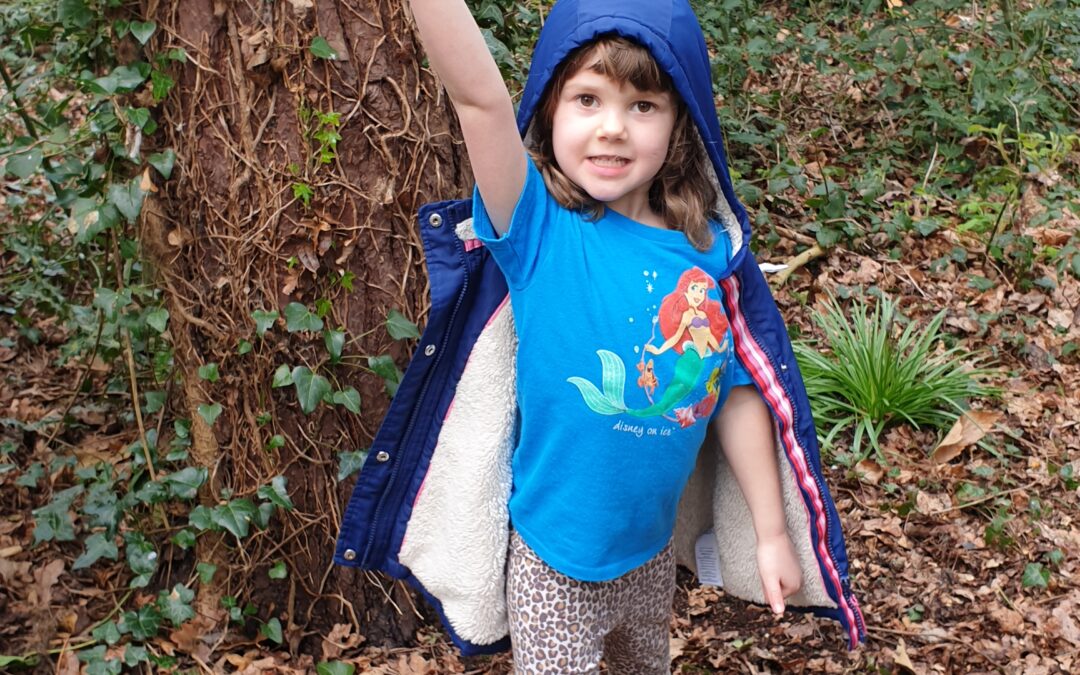
Sometimes, the best way to support learning isn’t by adding more structure. It’s about giving young people the space to reset, to step outside, move freely, and take a break.
Helen recently shared a video of Seren, her therapy dog, taking a break in the park. During the week, Seren works with others calmly and attentively. But in the park, Seren runs freely, pauses, anticipates, and plays.
That balance matters.
Even those who support others need time to reset. Children need that too.
Here’s why stepping outside and taking time to play matters for learning:
1. It supports emotional regulation
Time outdoors helps the nervous system settle. When the body relaxes, the mind follows. Creativity and learning flow more easily when not forced.
2. It reduces sensory overload
For children navigating SEND, EOTAS, or alternative provision, sensory overload is a constant challenge. Stepping outside can provide a much-needed break, helping to reduce overstimulation and restore focus.
3. It restores focus and energy
Being “on” all the time can be exhausting. Taking a break outdoors, whether it’s a walk or simple play, restores energy and helps children return feeling more focused and ready to engage.
4. It builds natural confidence
Confidence doesn’t always come from instruction. Sometimes it grows through laughter, shared moments, and simply enjoying time with friends. Whether it’s running freely, playing a game, or spending time with a furry companion, those moments of joy remind children that they are capable and ready to engage.
5. It helps children reconnect with who they are
Children, especially those who are brilliantly underestimated, often spend a lot of time managing external expectations. Stepping outside those expectations, even briefly, helps them reconnect with who they are beyond performance.
At Education Selection Box, through the Creative Pathway Methodology, we serve the brilliantly underestimated; we understand that learning doesn’t come from constant pressure. It comes from the right environment, one that balances structure with space and learning support with room to breathe.
We intentionally create rhythm in our programmes. There is learning, there is development, and there is space to explore, experiment, move, and enjoy.
Every child deserves an educational pathway that supports their emotional and educational well-being.
If your child needs learning that works with their nervous system rather than against it, we’d love to support you.
🎥 Watch Helen’s short video of Seren enjoying her time in the park on our YouTube channel.
👉 Watch the video here
🌟 Free Resource for Parents & Educators
Download our free Positive Thoughts guide to support calm and confidence in young learners.
👉 Download it here
Creative Pathway Methodology: Of Course You Can™ serving the Brilliantly Underestimated.
by Helen Kenworthy | Jul 23, 2025 | Education
Ever heard your child say “I can’t do it” before they’ve even tried?
Yep—we’ve all been there. That wobble of self-doubt, the fear of getting it wrong, the quiet worry that they’re just not good enough. But at Education Selection Box, we’re on a mission to turn those “I’m not sure” moments into confident “Of course I can!” ones.
How? It’s all about how we teach.
Our tutors don’t just explain things—they cheer you on, break it down, and make learning feel doable. No pressure, no judgement. Just patient, kind support that meets every learner where they are.
Whether it’s tackling tricky spellings, building reading confidence, or figuring out fractions, we help children grow in skills and self-belief. Because when a child feels seen, understood, and encouraged, everything changes.
Suddenly, they’re putting their hand up. They’re giving it a go. They’re smiling when they get it right—and trying again when they don’t.
That’s the real magic: watching a young person go from “I’m not good at this” to “I’ve got this.”
Because with the right support, they really can.
And we’re here to remind them every step of the way.
🌟 Free Resource for Parents & Educators
Seeking a gentle approach to support your child’s emotional well-being and learning journey?
We’re offering a free download of Positive Thoughts: Mindfulness Quotes and Daily Affirmations for Inner Peace—a beautiful, calming resource designed to help young learners feel empowered, grounded, and more confident every day.
Perfect for home education, EOTAS, or simply creating mindful family routines.
👉 [Download it here for free]
by Helen Kenworthy | Feb 11, 2025 | Education
School can be exciting for children, but let’s be honest—it can also be stressful. Homework piles up, friendship dramas unfold, exams loom, and sometimes, it all feels too much. As parents, we want to help, but knowing how isn’t always easy. So, how can you support your child through school stress without adding to the pressure? Here are some simple, practical tips to help you navigate this together.
- Listen First, Fix Later
Sometimes, kids don’t need a solution—they just need to vent. If your child comes home frustrated about a tough day, resist the urge to jump in with advice straight away. Instead, ask open-ended questions like: “That sounds hard. Do you want to talk about it? Just listening can make a huge difference.
- Create a Calm Home Environment
School stress is often unavoidable, but home should feel like a safe, relaxing space. Simple things like: Keeping a predictable routine OR Making time for fun, laughter, and downtime. A peaceful home can help balance the chaos of school life!
- Teach the Power of Taking Breaks
Encourage your child to step away from homework when they feel overwhelmed. A short break—whether it’s a quick walk, playing with a pet, or listening to music—can reset their focus. Sometimes, 10 minutes away from a problem is all they need to solve it.
- Avoid the ‘All About Grades’ Trap
Of course, we want our kids to do well, but focusing only on results can pile on unnecessary pressure. Instead of saying, “You need to get top marks,” try: “I’m proud of the effort you put in.” It’s about progress, not perfection!
- Encourage Healthy Habits
Good sleep, a balanced diet, and regular exercise aren’t just good for physical health—they massively impact mental well-being too.
- Help Them Stay Organised (Without Taking Over!)
Some kids struggle with managing time, which can make school feel overwhelming. Teach them simple organisation skills like Breaking big tasks into smaller steps OR packing their bag the night before to avoid last-minute stress. The trick is to guide, not take over—let them develop independence while still offering support!
- Keep Communication Open
Let your child know they can talk to you, no matter what. Sometimes, they might feel like they have to handle everything alone, but a simple “I’m here for you” can go a long way.
And if stress starts feeling too big—if they’re anxious, overwhelmed, or withdrawing—don’t hesitate to reach out to their teacher or a school counsellor for extra support.
Final Thoughts
School stress is real, but with the right support, your child can learn to manage it healthily. Be their safe space, remind them they’re more than their grades, and most importantly—keep cheering them on.
Do you have any go-to stress-busting tips for your child? Share them in the comments! Let’s support each other
🌟 Free Resource for Parents & Educators
Seeking a gentle approach to support your child’s emotional well-being and learning journey?
We’re offering a free download of Positive Thoughts: Mindfulness Quotes and Daily Affirmations for Inner Peace—a beautiful, calming resource designed to help young learners feel empowered, grounded, and more confident every day.
Perfect for home education, EOTAS, or simply creating mindful family routines.
👉 [Download it here for free]

by Helen Kenworthy | Dec 3, 2024 | Education
While less visible than physical bullying, verbal bullying can be equally damaging and leave long-lasting effects on its victims. It involves using words to insult, demean, or intimidate someone, and it can occur in schools, workplaces, families, and social groups. Understanding the motivations behind it, such as the desire for power, the need to shield vulnerability, the seeking of attention, the imitation of learned behaviour, and internal distress, can help us address and prevent this behaviour.
- The Desire for Power
At its core, verbal bullying often stems from a need for power. Insulting or demeaning someone gives the bully a sense of control or superiority over their victim. This power imbalance can make the bully feel more secure or influential in their social circle, reinforcing the behaviour.
- A Shield for Vulnerability
Many bullies lash out to protect themselves. They may have experienced bullying or emotional hurt in the past, and using verbal aggression becomes a defence mechanism. By putting others down, they believe they can divert attention away from their own insecurities or weaknesses.
- Seeking Attention
For some, verbal bullying is a way to gain recognition, even if it’s negative. Being seen as “tough” or “outspoken” can earn them a certain reputation in their peer group. This need for attention can sometimes outweigh the consideration of how their words might hurt others.
- Imitating Learned Behaviour
Children and teenagers often mimic behaviours they observe in their surroundings. If they see adults or influential figures in their lives using hurtful language or engaging in verbal conflict, they may replicate this behaviour, believing it to be normal or acceptable.
- Internal Distress
The saying “hurt people, hurt people” rings true. Bullies are often dealing with their own emotional pain or turmoil. Verbal bullying can be an outlet for their frustrations, anger, or sadness, redirecting their distress onto others.
Addressing the Root Causes
Understanding why verbal bullying occurs doesn’t excuse it, but it sheds light on the factors perpetuating it. Effective intervention requires addressing both the bully and the victim. A bully may need help to understand the impact of their actions, while victims need reassurance that it’s not their fault as well as support to rebuild their confidence.
Moving Forward
Parents, teachers, and peers all play a crucial role in creating environments where bullying is actively discouraged, and everyone feels safe to express themselves. By promoting empathy and providing mental health support, we can reduce verbal bullying and its harmful effects on individuals and communities. Your proactive efforts can make a significant difference.
If you or someone you know is experiencing verbal bullying, remember that support is available. Reaching out is a vital first step towards change; you are not alone. You will be met with understanding and support as you navigate this difficult situation.
🌟 Free Resource for Parents & Educators
Seeking a gentle approach to support your child’s emotional well-being and learning journey?
We’re offering a free download of Positive Thoughts: Mindfulness Quotes and Daily Affirmations for Inner Peace—a beautiful, calming resource designed to help young learners feel empowered, grounded, and more confident every day.
Perfect for home education, EOTAS, or simply creating mindful family routines.
👉 [Download it here for free]
by Helen Kenworthy | Oct 9, 2024 | Education
Not every child is a natural bookworm, and that’s okay! If your child struggles to find interest in reading, it’s important to keep things light, fun, and encouraging. Here are some easy tips to help spark their interest and make reading something they look forward to!
- Start Small
Don’t worry about thick books or long chapters – start with shorter stories, comic books, or even magazines. Sometimes, a simple story or funny comic can capture their attention and lead them to bigger books later.
- Let Them Choose
Children are more likely to enjoy reading if it’s about something they’re already interested in! Whether it’s animals, sports, or superheroes, let your child pick out books that match their hobbies or favourite topics.
- Read Together
Make reading a shared experience. Sit down with them and take turns reading aloud or follow along as they read to you. This can make reading feel like a fun activity rather than a chore.
- Create a Comfortable Reading Space
Set up a special spot for reading – maybe with comfy cushions, blankets, and good lighting. A comfortable environment can help them relax and focus more on the story.
- Celebrate Progress
Even if they only read a few pages, celebrate it! Let them know how proud you are. A simple “Great job!” can boost their confidence and make them feel more motivated to keep going.
- Incorporate Audiobooks
If your child isn’t into reading yet, try audiobooks! Listening to stories can still build a love for storytelling and may eventually lead them to enjoy reading on their own.
- Make Reading Interactive
Turn reading into an interactive activity! Act out scenes from the book, ask them what they think will happen next, or let them draw pictures about the story. Bringing the book to life can make it more engaging.
- Lead by Example
Children often copy what they see. If they notice you enjoying a book or magazine, they might be more curious to try it themselves. Set aside some family reading time where everyone reads something they love.
Remember, the key is to keep reading fun and pressure-free. With a little encouragement and the right approach, even the most reluctant reader can discover the joy of a good book!
🌟 Free Resource for Parents & Educators
Seeking a gentle approach to support your child’s emotional well-being and learning journey?
We’re offering a free download of Positive Thoughts: Mindfulness Quotes and Daily Affirmations for Inner Peace—a beautiful, calming resource designed to help young learners feel empowered, grounded, and more confident every day.
Perfect for home education, EOTAS, or simply creating mindful family routines.
👉 [Download it here for free]