by Helen Kenworthy | Nov 19, 2026 | Brilliantly Underestimated
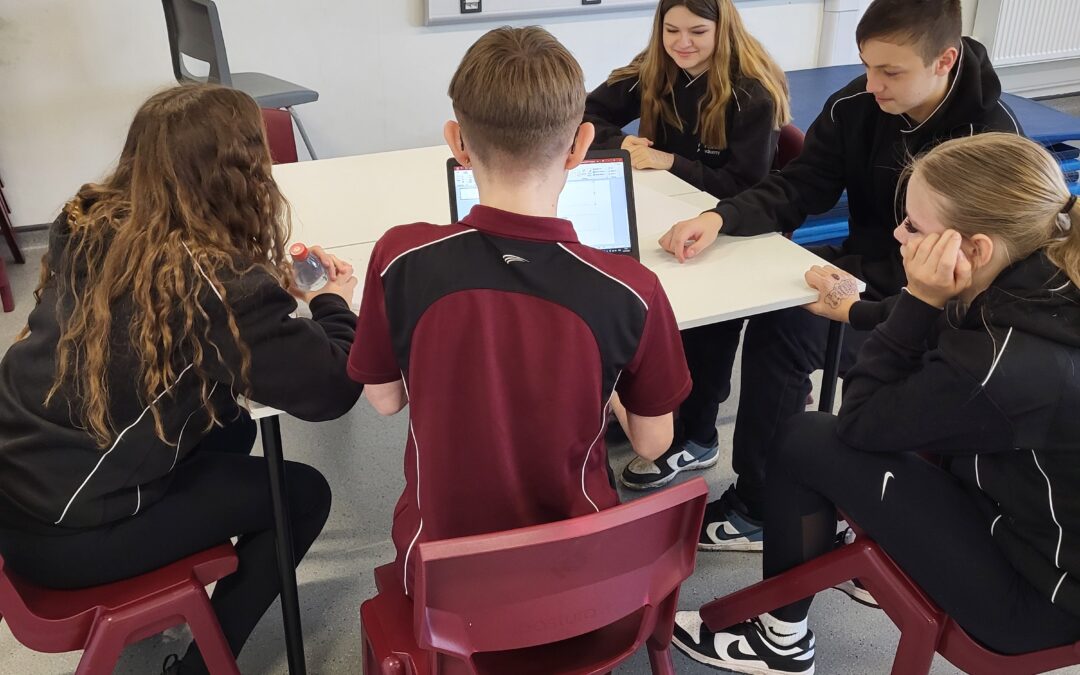
This week is Anti-Bullying Week, and the theme is Break the Silence. When we think of bullying, we often picture the playground. But for many young people, it starts in the classroom.
“Thick.” “Lazy.” “Behind.” “Can’t read.” These are the labels that follow a young person who struggles with learning. They get whispered when someone reads aloud slowly, or laughed about when the sets are announced. And for a young person who already feels unsure of themselves, they hit hard.
The link between learning struggles and bullying
Young people who learn differently, who are neurodivergent, or who have spent time out of school are often more likely to be targeted. The learning label and the bullying label feed each other. The more a young person is teased, the more anxious they become. The more anxious they are, the harder it is to learn. It becomes a cycle.
Replacing labels with pathways
At Education Selection Box, we don’t start with what a young person can’t do. We start with how they learn best. A young person who is “behind” isn’t failing. They simply need a different pace, a different approach, or a calmer space to learn in.
How parents can help break the silence
- Listen for the labels. If your child says “I’m stupid” or “I’m rubbish at maths”, gently ask where that idea came from.
- Separate the struggle from the child. Struggling with fractions is something they’re working on, not who they are.
- Talk to the school. Share what you’re noticing and ask how they’re supporting your child.
- Look for the right fit. Sometimes a young person needs learning that happens at their pace, outside the pressure of the classroom.
How Education Selection Box can help
We provide academic support in English, maths, history and other school-linked subjects, including for young people who can’t be in school. Choose from subscription materials, one-to-one support and courses, or ask us about a bespoke programme.
Find out more and explore every pathway: https://helenkenworthy.com/
Creative Pathway Methodology; Of Course You Can! Serving the Brilliantly Underestimated
by Helen Kenworthy | Nov 12, 2026 | Brilliantly Underestimated
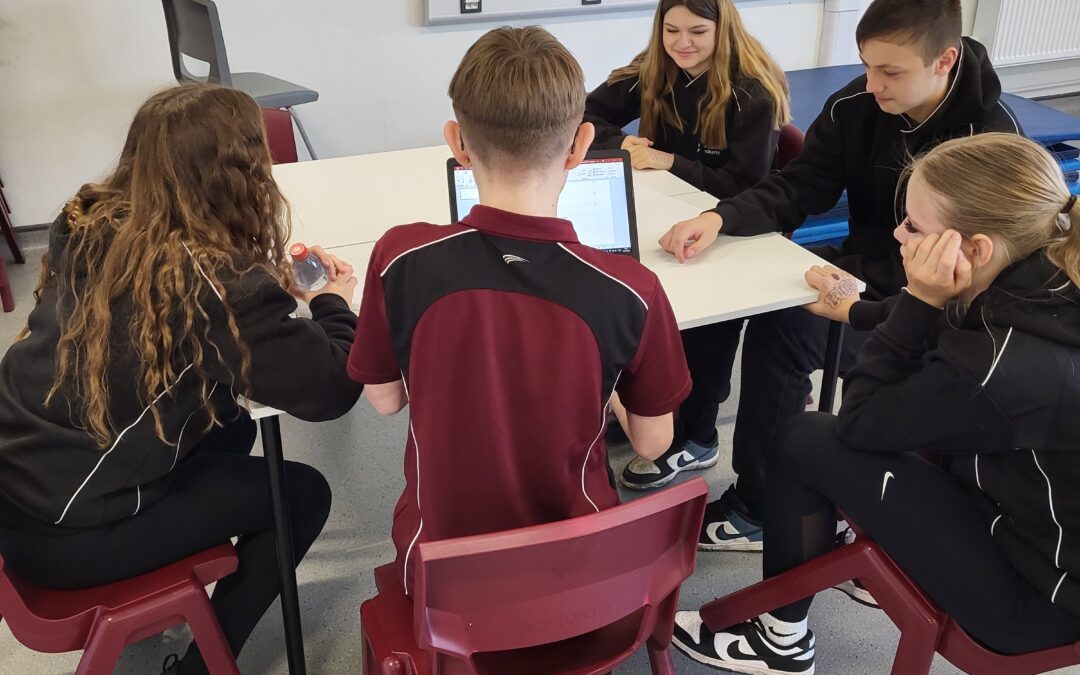
When a young person has fallen behind or found school difficult, learning can start to feel like a long list of things they cannot do. Every new topic becomes another chance to fail. At Education Selection Box, we turn that around by focusing on small wins.
Why confidence comes before progress
A young person who believes they are “bad at maths” or “no good at English” often stops trying before they begin. It is not a lack of ability. It is protection. Small wins gently break that pattern by showing them, in real time, that they can succeed.
What small wins look like in learning
- Reading one page without help, then two, then a chapter.
- Getting one sum right, and understanding why it is right.
- Writing a single strong sentence before tackling a full paragraph.
- Remembering a fact from last session, proof that learning is sticking.
Each of these moments matters. Together, they build a young person’s belief that learning is something they can do, not something that happens to them.
How we build in small wins
Our hands on, creative approach breaks learning into clear, achievable steps. Whether through our subscription materials, one to one support or courses, every young person works at a pace that feels safe. We celebrate progress, however small, so they can see how far they have come.
This is especially important for young people who cannot be in school or who have been brilliantly underestimated. With the right steps in place, they move from “I can’t” to “of course I can”.
If your child or the young people you support need a fresh start with learning, we are here to help.
Meet Helen and explore every pathway: https://helenkenworthy.com/
Creative Pathway Methodology; Of Course You Can! Serving the Brilliantly Underestimated
by Helen Kenworthy | Oct 22, 2026 | Brilliantly Underestimated
“Just try harder.” “Sound it out.” “You’ll be fine once you get going.”
For some children, a little push is exactly what they need. For others, the same words land like a weight on their chest. The page blurs, the letters jumble, and suddenly the only safe option feels like shutting down completely.
Helen Kenworthy, founder of Education Selection Box, has worked with young people who were so overwhelmed by learning that she first met them under their table. Not in a chair, not at a desk, but curled up underneath it. And rather than ordering them out, Helen sat with them. Over time, at their pace, they came out when they felt safe enough to.
That moment says everything about how we read with a child who finds reading hard.
Push or Hand?
Some children thrive on a nudge. Others need something completely different: structure, guidance, and someone right beside them saying “I’ll do it with you.”
When a child already believes they can’t read, pushing harder often confirms their fear. What builds confidence instead is doing it together, step by step, until one day they realise they can do it on their own.
Signs Your Child Is Frozen, Not Lazy
- They suddenly need the toilet, a drink or a snack whenever reading time starts
- They guess wildly at words rather than risk getting them wrong
- They get angry, tearful or silly when asked to read aloud
- They say “I’m stupid” or “I can’t read” before they’ve even tried
- They avoid books completely, even ones about things they love
None of these mean your child isn’t capable. They mean your child doesn’t feel safe yet.
How to Read With a Child Who Finds Reading Hard
- Sit beside them, not opposite. It feels like teamwork, not a test.
- Read to them first. Let them follow along and enjoy the story without pressure.
- Take turns. You read a page, they read a line. Then a sentence each. Build slowly.
- Keep it short. Five calm minutes beats thirty stressful ones every time.
- Start with what they love. Football, dinosaurs, comics, recipes. Interest makes the hard bits worth it.
- Swap correction for curiosity. “What do you think happens next?” keeps them in the story rather than stuck on a word.
- Celebrate finishing. Every book completed is proof they can do it.
Proof They Can Do It Again
Helen talks about the power of having something real to look back on. When a child finishes something they once thought impossible, it becomes their evidence. Next time panic creeps in and they think “I can’t do this”, they can remember: I already have.
That’s why our Young Author course exists. Young people meet others who get them, tell whatever story they want to tell, and make their very own book. Alongside the fun, they’re building the core skills of reading, writing, structure and sharing ideas, all in a safe, buzzy space where nobody is rushed.
How Education Selection Box Helps
At Education Selection Box, learning is built around the child, not the system. Our academic support covers English, maths and more, through one to one sessions, courses and learning materials designed for young people who find traditional learning hard, including those who can’t be in school right now.
We don’t push children through the door. We walk through it with them.
Watch Helen Explain
Helen shares the full story, including what she learned from meeting students under their tables, in her video. It’s well worth a few minutes of your time, especially if reading has become a battle in your home.
▶️ Watch here: https://youtu.be/A–zdSbhA5o
Meet Helen and explore how we can support your child: https://helenkenworthy.com/
Creative Pathway Methodology; Of Course You Can! Serving the Brilliantly Underestimated
by Helen Kenworthy | Oct 16, 2026 | Brilliantly Underestimated
October is ADHD Awareness Month, and it’s a good moment to say something many families already know. For a lot of young people with ADHD, the hardest part of learning isn’t the work itself. It’s the overwhelm that builds up before they even start.
A child who seems “unable to focus” is often a child whose nervous system is running on full volume. Asking them to sit still and try harder rarely helps. Giving them a way to reset does.
Meet Seren
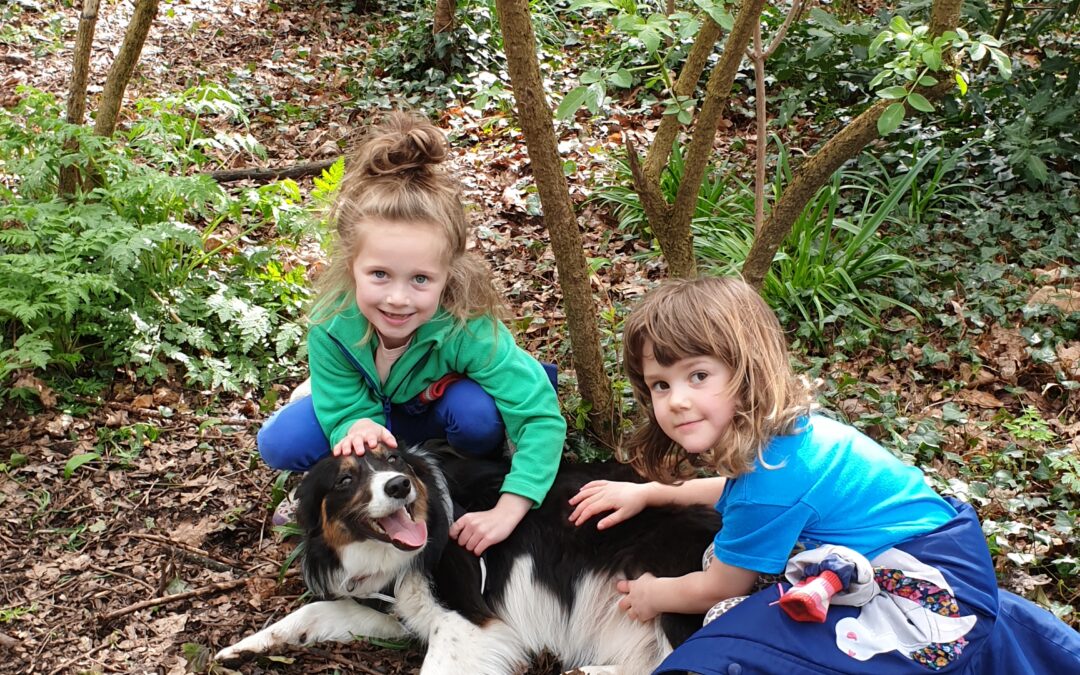
In a new video, Helen Kenworthy introduces Seren, a therapy dog who supports young people through walks and time outdoors. Fresh air and green spaces like parks and woods give students a way to step out of overwhelm, with support that doesn’t always need words. Chatting is part of it too, but sometimes a calm companion by your side says more.
Helen shares how Seren needs her own time out as well, hiding in the undergrowth where she feels safe and secure. A lovely reminder that needing a break is natural, not a weakness.
Regulate first, then learn
Learning through doing is at the heart of how we work at Education Selection Box. But before any young person can learn, they need to feel safe enough to try. A walk or a movement break can be exactly what helps a child come back to English or maths ready to engage.
Try this at home
- Add short movement breaks before frustration takes hold
- Take learning outside: read on a park bench or describe the sky
- Offer a break at the first signs of overwhelm
- Let quiet company be enough. Not every reset needs a conversation
Our one-to-one support, courses and materials are built for young people who learn differently, with movement and breathing space built in. Every child we work with is brilliantly underestimated, and with the right support, they discover that of course they can.
Watch Seren in action and hear Helen explain why time out matters: https://youtu.be/Ehzu8yNVxy4
Find the right support for your child: https://helenkenworthy.com/
Creative Pathway methodology; Of Course You Can™ Serving the Brilliantly Underestimated
by Helen Kenworthy | Oct 8, 2026 | Brilliantly Underestimated
For lots of young people with dyslexia, the problem isn’t a lack of ideas. Their heads are often full of them. The struggle is getting those thoughts out and onto the page, especially when an exam clock is ticking and a blank sheet is staring back.
Helen Kenworthy has spent decades supporting young people with SEND, is the author of GCSE resource books, and founded The RYTC, which celebrates its 30th anniversary this year. This Dyslexia Week, she shares a session that shows what happens when we stop starting with the worksheet.
Feeling okay comes first.
Helen was working with a GCSE student preparing for exams. This young person has a complex SEND profile and was also dealing with ongoing communication difficulties at home.
In Helen’s experience, exam technique only takes a young person so far. Real progress comes when they feel emotionally safe, because it’s the subconscious, not the worksheet, that drives learning. When the nervous system is on high alert, even writing something simple can feel impossible.
Giving the writing a real purpose
The task was a GCSE English Language transactional writing question. Instead of a dry practice prompt, Helen invited the student to write a “Teenage Manual”: a guide explaining how teenagers think, how they feel, and what they actually need from their parents.
Suddenly the student had something real to say. The exam task became a way to put words to feelings they had been carrying around.
Saying it out loud before writing it down
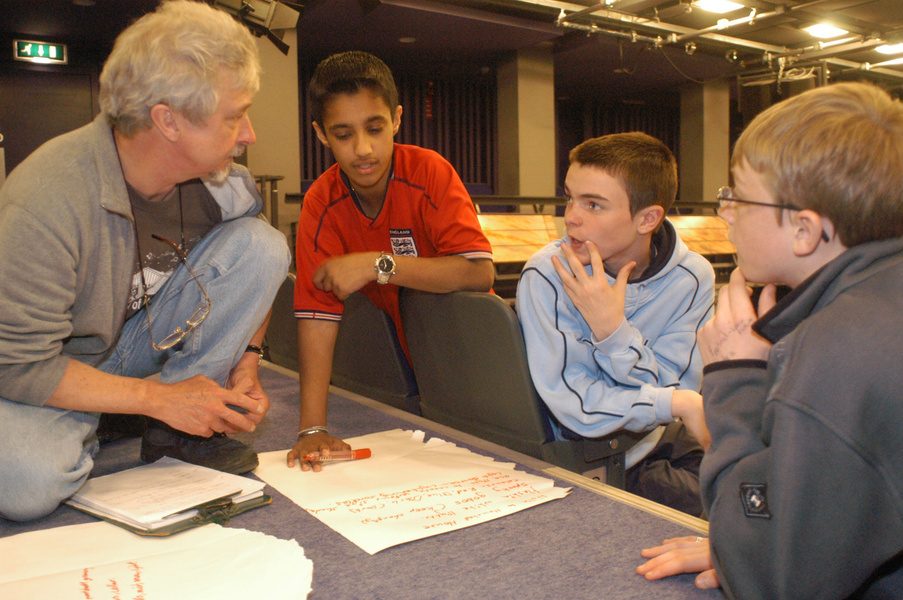
Helen then brought in a technique from the arts called Forum Theatre. Together, they acted out everyday scenarios, paused, and tried different ways of responding. Using a “hive mind” approach, they explored lots of possible reactions and looked at each situation from both sides.
This gave the student a safe space to experiment with language, without any real world fallout. By the time they came to write, the words had already been spoken, tested and shaped.
What changed
The result was a strong exam response, with vocabulary and sentence structure that flowed naturally. Even more importantly, the student left calmer and more hopeful, moving from “I can’t do this” to completely nailing it.
Helen’s advice for parents
- Talk it through first. Let your child say their ideas out loud before writing anything.
- Make it matter. Link writing tasks to something your child genuinely cares about.
- Act it out. A quick role play can unlock words that won’t come on paper.
- Calm before content. If your child is overwhelmed, pause the task and settle first.
How Education Selection Box can help
At Education Selection Box, we support young people with English, maths and other school subjects, including those who are not currently in school. Our one-to-one support, courses and subscription materials blend curriculum knowledge with creativity and SEND expertise, so learning feels possible again.
We’re proud that this child-centred approach was recently recognised with the Diamond Distinction Award 2026 for Specialists in Child-Centred and SEN Learning Programmes, Midlands.
Watch Helen’s video
See the full session and how Forum Theatre turned exam prep into a breakthrough: https://youtu.be/q5iXFh8Wj9s