by Helen Kenworthy | Oct 1, 2026 | Brilliantly Underestimated
It’s National Poetry Day, a day that celebrates the power of words. But for many children, words on a page bring worry rather than joy. If your child finds reading, writing or schoolwork hard, you are not alone, and your child is not failing. They may simply need a different way in.
The problem with one size fits all
Most classrooms are set up to teach lots of children in the same way, at the same speed. That works for some. For others, it leads to stress, falling behind, and believing they are “no good” at learning. Some children end up unable to attend school at all.
The truth is, these children are often brilliantly underestimated. With the right support, they can make real progress.
Every child learns differently
In her latest video, Helen explains why there is no single right way to learn. Some children need to see things laid out clearly. Some need to hear them explained. Some need to get hands on. Some thrive on encouragement and creativity, while others feel safer with clear structure and steps.
🎥 Watch Helen’s video here: https://youtu.be/xoKKpBZCsus
What this looks like in practice
At Education Selection Box, we support children with English, maths, history and other school subjects, including those learning at home or outside mainstream school. We start with the child, not the curriculum. That might mean:
- Breaking tasks into small, manageable steps.
- Using games, stories and real life examples to explain new ideas.
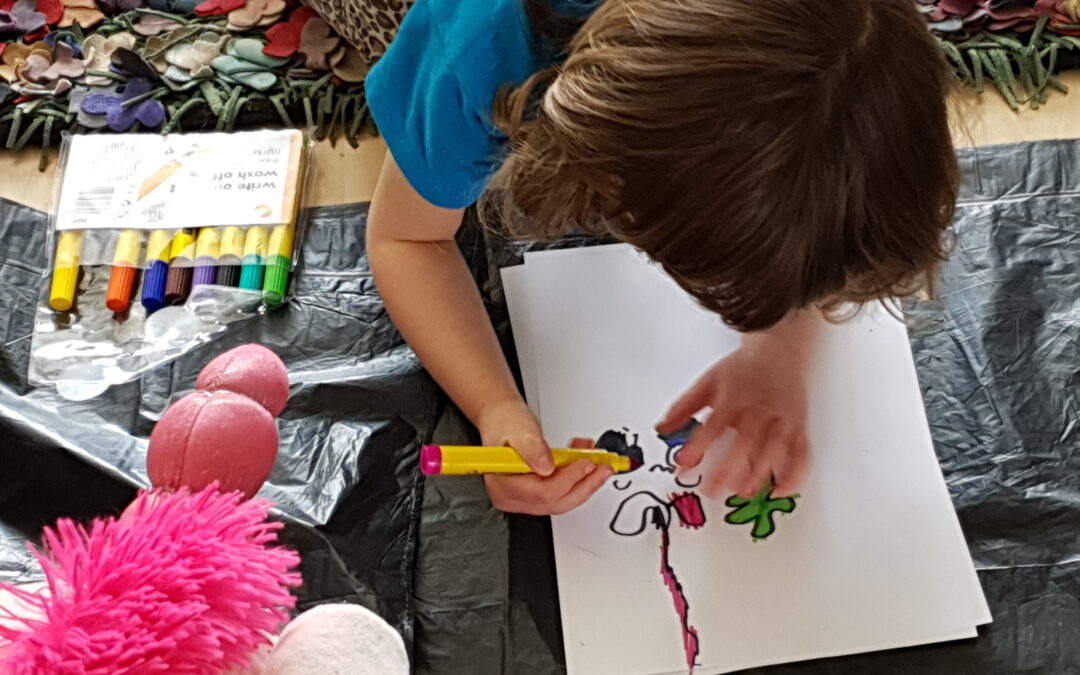
- Mixing reading and writing with talking, drawing and doing.
- Going at a pace that feels safe, not rushed.
- Celebrating every small win to build confidence.
When a child feels calm and capable, learning becomes possible again.
Simple ideas to try at home
- Read together and take turns, rather than asking your child to read alone.
- Let them talk through an answer before writing it down.
- Use everyday moments like cooking or shopping to practise maths.
- Keep sessions short and stop while it’s still going well.
- Notice and praise effort, not just correct answers.
How Education Selection Box can help
We offer subscription learning materials, one to one support and courses, all designed around the individual child. Our work alongside The RYTC was recently recognised with the Diamond Distinction Award 2026 for Specialists in Child-Centered & SEN Learning Programmes, Midlands.
A great place to start is our free confidence boosting book: https://www.educationselectionbox.com/free-download/
by Helen Kenworthy | Jun 3, 2026 | Brilliantly Underestimated
Some children are ready for a challenge. They enjoy being stretched, encouraged and given a little push towards the next step.
But not every child learns best that way.
For some children, too much pressure can make learning feel harder. A blank page can feel enormous. A new task can feel frightening. Joining a group, sharing an idea or starting a piece of writing can feel like too much before they have even begun.
What looks like refusal may actually be fear. What looks like silence may be overwhelm. What looks like “I can’t” may be a child asking for help in the only way they can.
At Education Selection Box (ESB), we understand that learning begins with safety.
Before a child can write, read, focus, create or complete a task, they may first need to feel calm enough to try. They may need the work broken down into smaller steps. They may need reassurance, structure and someone beside them who can say, “I’ll do it with you.”
That simple approach can change so much.
It tells a child they are not expected to know everything straight away. It gives them permission to begin slowly. It helps them move from fear into participation, one step at a time.
This is why the Young Author course is such a powerful part of ESB’s work. It gives young people a safe, creative and encouraging space to write their own story, develop their ideas and work towards becoming a published author.
That is not just an English task.
It is a confidence-building experience.
Through the process of creating their own book, young people practise writing, structure, communication, ideas development and presentation. These are important learning skills, but they are also life skills. They help children learn how to organise their thoughts, express themselves and complete something meaningful.
The most powerful part is that they finish with something real.
Their own book.
A published book becomes proof. Proof that they started. Proof that they followed the steps. Proof that their ideas mattered. Proof that they completed something they may once have thought was too difficult.
And when doubt appears again, that book can remind them: “I have done something brave before. I can try again.”
This sits at the heart of Helen Kenworthy’s Creative Pathway Methodology and the wider Of Course You Can!™ approach. Confidence is not forced. It is built through safe, supported and meaningful experiences.
At ESB, we do not expect every child to arrive ready. We create the structure, encouragement and space that helps them become ready.
Because when learning feels safe, children can begin to believe in themselves.
- They can write.
- They can create.
- They can share their ideas.
They can complete something they are proud of.
And they can begin to believe in what is possible for them.
Find out more about Education Selection Box and its learning support through Helen Kenworthy’s wider Creative Pathway Methodology here: https://helenkenworthy.com/
Watch Helen’s reflection on why some young people need safety, guidance and support before they can take the next step here: https://youtu.be/A–zdSbhA5o
Creative Pathway Methodology: Of Course You Can!™ serving the brilliantly underestimated
by Helen Kenworthy | Mar 11, 2026 | Brilliantly Underestimated
Sometimes the most useful questions are the simplest.
What makes you smile?
Not the big achievements. Not the special occasions. Just the small, everyday things that quietly make a day feel better.
In a recent reflection, Helen shared five of the things that make her smile. They are not complicated, but each one creates a moment of ease.
Here are Helen’s five.
- Green space
For Helen, one of the first things that makes her smile is being in a green space. That moment when you step outside, the air feels different, and your shoulders drop as your body finally breathes out.
- Seren
Seren, whom she describes as joyful at all times. Sometimes, the people or companions in our lives bring a natural sense of happiness simply by being themselves.
- Friends and good conversation
Spending time with friends, sitting together with a cup of tea, talking and laughing until suddenly you realise that hours have passed without noticing.
- Finding her own way of doing things
Another thing she mentions is discovering that you can do something in your own way. She talks about throwing a ball for Seren and realising she never really learned how to throw it “properly”. But she found her own way of doing it. Sometimes the joy is simply in finding ways of doing things that work for you, even if nobody else does them the same way.
- A very specific coffee
And then there are the small rituals. For Helen, it’s a very specific coffee. One shot, oat milk, creamy enough that you can almost spoon the foam.
When you hear someone share their five things, something interesting happens.
You start thinking about your own.
These small moments matter more than we often realise. They help the body settle, the mind slow down, and the day feel more manageable.
For many young people, especially those who feel overwhelmed in traditional learning environments, these moments can make a real difference.
Learning does not happen best under constant pressure. It happens when the brain feels safe enough to be curious.
Moments of calm, connection, and enjoyment help regulate the nervous system. When that happens, focus improves, thinking becomes clearer, and confidence begins to grow.
At Education Selection Box, we encourage learners, families, and educators to notice the small things that help a day feel steadier and more manageable.
Sometimes supporting learning does not mean changing everything.
Sometimes it begins with recognising the small things that help.
So here is a question worth asking.
What are five things that make you smile?
And how often do those things appear in your day?
🎥 You can watch Helen share her five things here:
https://youtu.be/FG7GMaD62GQ
Creative Pathway Methodology: Of Course You Can!™ serving the brilliantly underestimated
by Helen Kenworthy | Aug 13, 2025 | Education
Ever tried something, messed it up, and felt like giving up? We’ve all been there. Maybe it was a tricky maths problem, a football match you lost, a poem you couldn’t get quite right, or a big goal that suddenly felt too far away.
Here’s the thing—nobody gets everything right the first time. The people you look up to, the ones who seem “naturally” good at what they do? They’ve failed, made mistakes, and felt frustrated plenty of times. The difference is, they kept going. That’s persistence.
Persistence is like a superpower. It’s what helps you push through when things get tough. It’s the voice in your head that says, “Alright, let’s try again,” even after you’ve fallen flat. And the more you practise it, the stronger it gets.
So how do you stick with something?
• Start small: Break big goals into little steps so you can see progress along the way.
• Remember why you started: Think about what you’ll feel when you finally get there.
• Learn from what didn’t work: Every “mistake” is a clue about how to do better next time.
• Celebrate the small wins: Every step forward counts, no matter how tiny it feels.
Persistence doesn’t mean never feeling tired or fed up. It means choosing to keep moving forward, even when it’s not easy. And every time you do, you’re building skills, confidence, and grit that will help you in school, in hobbies, and in life.
Your ESB challenge:
Think of one thing you’ve been struggling with lately—a piece of homework, a skill you’re learning, a sport, or a creative project. This week, make a promise to yourself not to give up on it. Instead, try again, make one small improvement, and notice how it feels to push through.
You might be surprised at just how much you can achieve when you keep going.
🌟 Free Resource for Parents & Educators
Seeking a gentle approach to support your child’s emotional well-being and learning journey?
We’re offering a free download of Positive Thoughts: Mindfulness Quotes and Daily Affirmations for Inner Peace—a beautiful, calming resource designed to help young learners feel empowered, grounded, and more confident every day.
Perfect for home education, EOTAS, or simply creating mindful family routines.
👉 [Download it here for free]
by Helen Kenworthy | Jul 16, 2025 | Education
Let’s face it—not every child falls in love with reading straight away. And that’s OK. At ESB, we believe there’s no wrong way to become a reader. Sometimes all it takes is a gentler, more playful approach to help reading feel fun again.
Here are 7 easy, pressure-free ways to get started:
- Let them choose what they read
Comics? Song lyrics? Football stats? It all counts. Giving your child the power to choose builds interest and ownership.
- Read together—no matter their age
Snuggling up and reading aloud isn’t just for little ones. Big kids love it too (even if they won’t admit it). It’s bonding time with hidden learning.
- Make it visual
Graphic novels and picture-heavy books are fantastic. They help children connect stories to images and keep the experience exciting.
- Leave books lying around
Pop books in the car, by the bed, in the bathroom—even the cereal box if you want. The more books feel part of everyday life, the more likely they’ll dip in.
- Talk about books like you talk about films
“What did you think of that ending?” “Would you be friends with that character?” Chatting casually about stories helps build deeper thinking without feeling like school.
- Don’t stress about reading levels
It’s okay to read “easy” books or revisit old favourites. What matters is that they’re enjoying it—not ticking off a level.
- Celebrate effort, not speed
It’s not a race. If they read one page and feel proud—amazing. Confidence comes from being seen, not being rushed.
At ESB, we’re passionate about making reading feel joyful, relaxed, and real. Whether it’s through creative writing, 1:1 tuition, or helping children find their kind of story—we’re here to support the journey.
Because once they discover the right book… everything changes
🌟 Free Resource for Parents & Educators
Seeking a gentle approach to support your child’s emotional well-being and learning journey?
We’re offering a free download of Positive Thoughts: Mindfulness Quotes and Daily Affirmations for Inner Peace—a beautiful, calming resource designed to help young learners feel empowered, grounded, and more confident every day.
Perfect for home education, EOTAS, or simply creating mindful family routines.
👉 [Download it here for free]