by Helen Kenworthy | Jan 23, 2026 | Brilliantly Underestimated
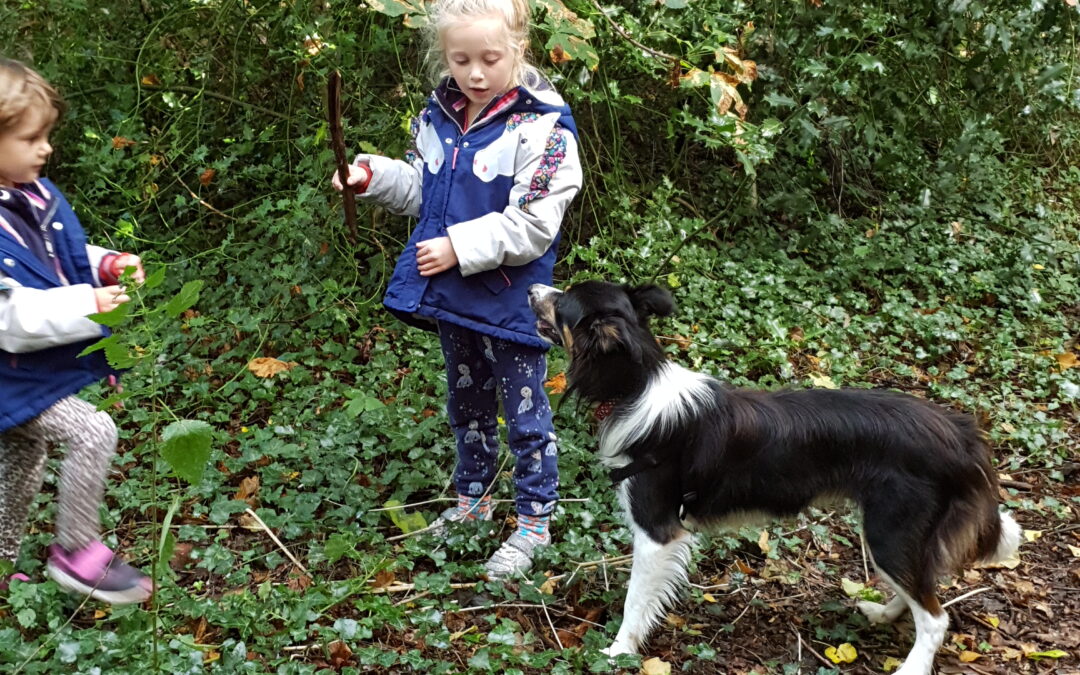
Fresh air is often treated as a break from learning. At Education Selection Box, we see it as part of how learning becomes possible.
Many children put in a great deal of effort just to stay focused, calm, and engaged. For the brilliantly underestimated, busy learning environments can feel overwhelming, even when the learning itself is supportive. Noise, pressure, and constant expectation can make it harder to concentrate or feel confident.
Stepping outside can gently change the pace.
Fresh air gives children space to breathe, move, and reset. It helps the body settle and the mind slow down. When children feel calmer, learning feels less demanding and more accessible.
Learning itself takes emotional effort. It requires focus, confidence, and a sense of safety. At ESB, we support children whose strengths are often missed because systems move too quickly or expect everyone to learn in the same way. When pressure builds, learning can begin to feel heavier than it needs to be.
That is why something as simple as fresh air matters.
These moments are not time taken away from learning. They help children regulate so they can return feeling calmer, clearer, and more able to engage.
For the brilliantly underestimated, this space is often essential. When learning takes more effort, fresh air can make a real difference to how a child feels and functions. Confidence grows when children feel supported, not rushed.
The Education Selection Box is part of the Creative Pathway Methodology that connects learning, creativity, and personal growth. Working alongside RYTC and Give-Get-Go Education, we support children and young people as they build confidence, explore creativity, and move towards future opportunities. This joined way of working recognises that learning works best when wellbeing is supported too.
🎥 This short video helped shape the thinking behind this piece:
https://youtu.be/AYZGoRmeCGo
Progress does not always come from doing more.
Sometimes it begins by stepping outside, taking a breath, and returning ready.
Creative Pathway methodology; Of Course You Can™ serving the Brilliantly Underestimated.
by Helen Kenworthy | Oct 1, 2025 | Education
Kindness is powerful. It’s the quiet moment when a teacher notices a worried face and offers reassurance. It’s a friend saving you a seat at lunch, or a parent celebrating the effort you put in even when the homework isn’t perfect. These aren’t grand gestures, but they leave a mark. Children remember how kindness made them feel—and they carry that forward.
In schools, kindness turns classrooms into safe spaces. When children know they won’t be laughed at for getting an answer wrong, they find the courage to speak up. When they see teachers and classmates helping one another, they realise learning isn’t a competition—it’s something we do together. That sense of safety gives them the freedom to grow.
At home, kindness is woven into everyday life. It might be listening without rushing, encouraging when something feels tough, or simply saying, “I believe in you.” Children who feel kindness at home learn to reflect it back. They become more patient, more forgiving, and more open with others.
Kindness also builds communities. A culture of kindness means fewer conflicts, stronger friendships, and a feeling of belonging that every child deserves. It’s not about being perfect or always agreeing—it’s about choosing care, even in small ways, every single day.
At Education Selection Box, we believe kindness is as vital as any subject taught in school. It gives children the tools to be confident, resilient, and compassionate. And when children grow up in environments filled with kindness, they don’t just learn how to succeed—they learn how to thrive.
#ESB #EducationForAll #KindnessInLearning #PositiveClassrooms
🌟 Free Resource for Parents & Educators
Seeking a gentle approach to support your child’s emotional well-being and learning journey?
We’re offering a free download of Positive Thoughts: Mindfulness Quotes and Daily Affirmations for Inner Peace—a beautiful, calming resource designed to help young learners feel empowered, grounded, and more confident every day.
Perfect for home education, EOTAS, or simply creating mindful family routines.
👉 [Download it here for free]
by Helen Kenworthy | Jul 9, 2025 | Education
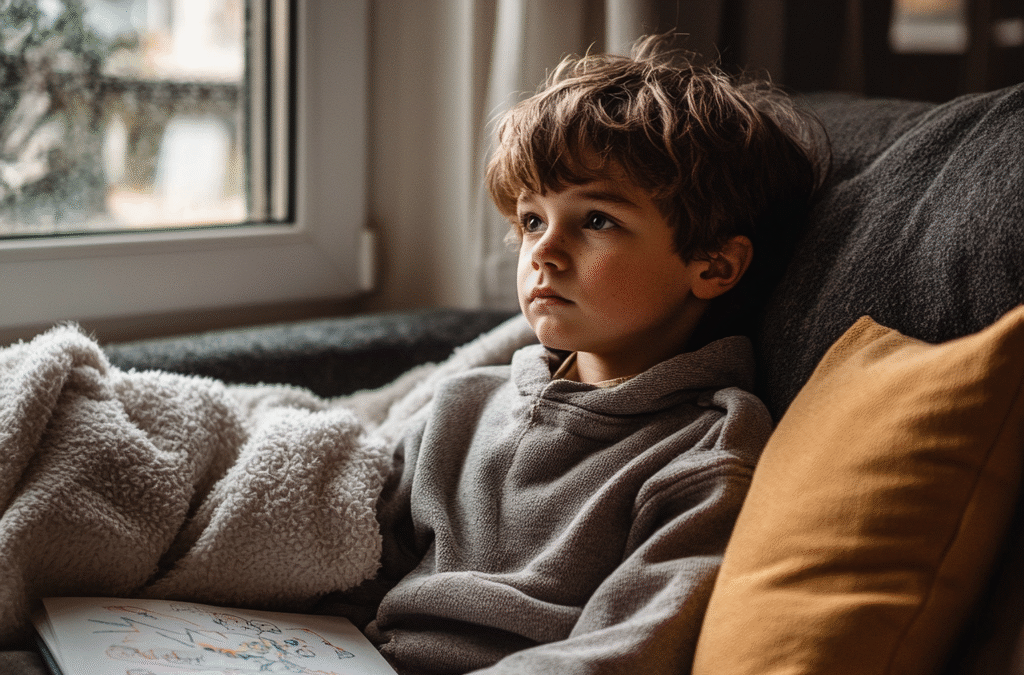
We all have days when we feel sad, mad, or worried. Maybe a friend was mean, school feels too hard, or you’re just grumpy for no reason. That’s normal! But it’s good to know how to feel better when big feelings show up.
Sometimes big feelings make you want to hide or pretend they’re not there. But feelings are important because they’re your brain and body’s way of telling you that something matters. When you pay attention to your feelings and take care of them in good ways, you’ll feel stronger and ready for anything. Taking care of your feelings is just as important as taking care of your body!
Here are some easy ways to help when you feel overwhelmed:
1. Talk to Someone You Trust
Tell a friend, teacher, or someone in your family how you’re feeling. Talking about it can make things feel lighter.
2. Get Moving
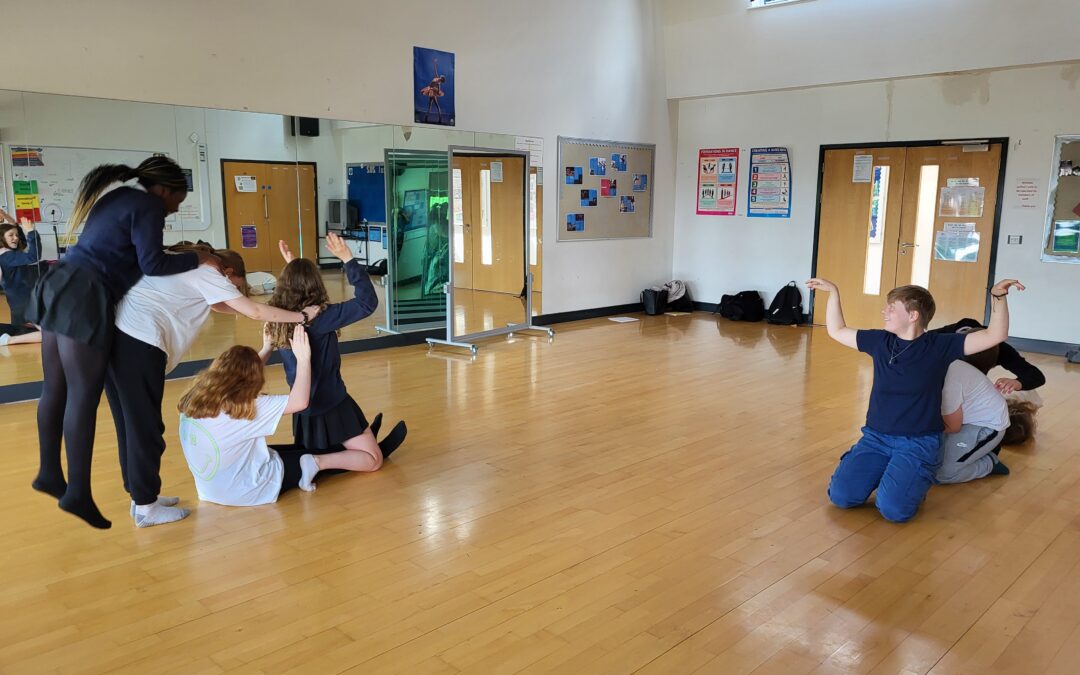
Run, jump, dance, or stretch. Moving your body can help shake off stress and make you feel happier.
3. Take a Quiet Break
If everything feels too much, find a quiet spot. Sit, breathe slowly, and try to relax your body.
4. Draw or Write
Draw pictures or write about how you feel. It doesn’t have to be perfect — just putting it on paper can help.
5. Name Your Feelings
When you’re upset, try saying in your head, “I feel angry” or “I feel worried.” This helps you understand your feelings better.
Remember, it’s okay to have big feelings — everyone does! What matters is finding good ways to handle them. You’re not alone, and you can always find healthy ways to feel better.
🌟 Free Resource for Parents & Educators
Seeking a gentle approach to support your child’s emotional well-being and learning journey?
We’re offering a free download of Positive Thoughts: Mindfulness Quotes and Daily Affirmations for Inner Peace—a beautiful, calming resource designed to help young learners feel empowered, grounded, and more confident every day.
Perfect for home education, EOTAS, or simply creating mindful family routines.
👉 [Download it here for free]
by Helen Kenworthy | Jun 25, 2025 | Education
Creating a home that supports children with Special Educational Needs and Disabilities (SEND) doesn’t have to be overwhelming or expensive. A few thoughtful tweaks can make a big difference—not just in how your child learns, but in how they feel. At Education Selection Box, we believe that learning doesn’t stop at school, and your home can be a safe, inspiring, and supportive space too. Here are five simple ways to make that happen.
- Create a Calm Corner
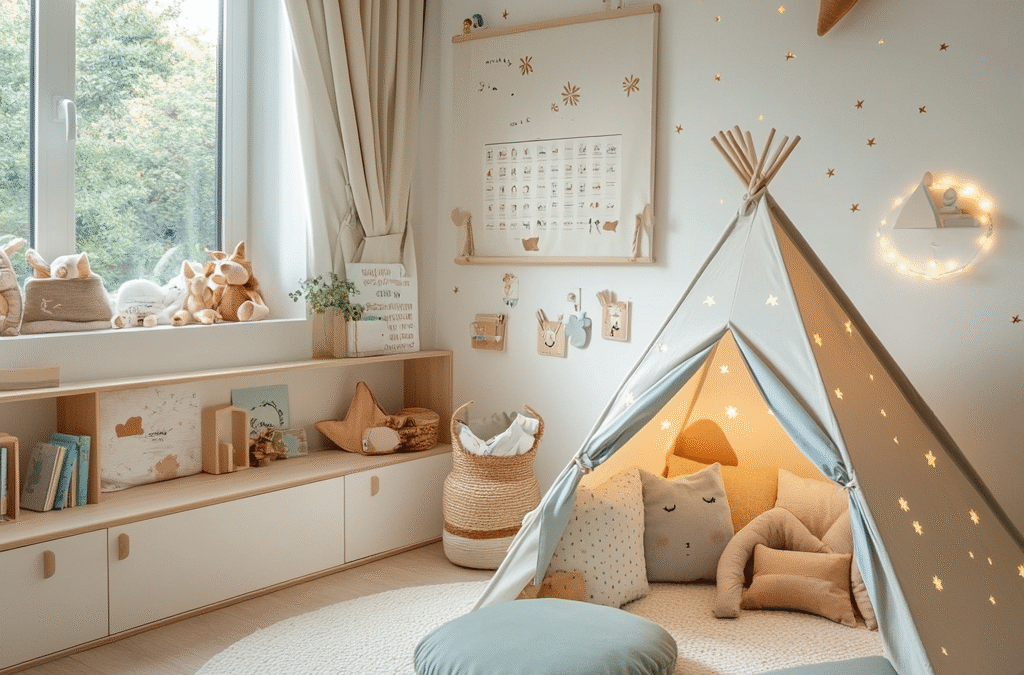
Children with SEND can sometimes feel overwhelmed by noise, lights, or emotions. Having a calm corner—even if it’s just a beanbag, some cushions, and a few calming toys—can be a game-changer. Soft lighting, noise-cancelling headphones, and a favourite book or blanket can make it a go-to spot when the world feels a bit too loud.
- Use Visuals Everywhere
Visual cues are brilliant for supporting routine and reducing stress. Think simple picture schedules, labels on drawers or toy boxes, or even colour-coded areas of the home. Visuals give clarity—helping children understand what’s happening now and what’s coming next.
- Keep Things Predictable (But Flexible)
Routine is important, but life happens. Having a basic daily rhythm with built-in flexibility helps children feel secure while also learning to adapt. A visual timetable on the fridge or a chalkboard plan for the week is a great tool for the whole family.
- Sensory-Friendly Spaces
Every child’s sensory needs are different. Some children might love bouncing on an exercise ball, while others need a quiet, dim room to recharge. Pay attention to what your child naturally gravitates to—then build on that. A box of sensory toys or even just different textures like bubble wrap, velvet, or sand can provide great stimulation or comfort.
- Involve Your Child in the Setup
The best SEND-friendly homes are the ones that work for your child. Ask them what helps them feel calm, focused, or safe. You might be surprised by what they say! Giving them ownership of their space helps boost confidence and builds their independence.
Supporting children with SEND at home isn’t about perfection—it’s about understanding, empathy, and small changes that add up. At ESB, we’re all about helping families find creative, flexible ways to support every kind of learner. Your home can be a powerful part of that journey.
🌟 Free Resource for Parents & Educators
Seeking a gentle approach to support your child’s emotional well-being and learning journey?
We’re offering a free download of Positive Thoughts: Mindfulness Quotes and Daily Affirmations for Inner Peace—a beautiful, calming resource designed to help young learners feel empowered, grounded, and more confident every day.
Perfect for home education, EOTAS, or simply creating mindful family routines.
👉 [Download it here for free]
by Helen Kenworthy | May 14, 2025 | Education
Feeling the pressure to meet everyone’s high expectations can be tough. Parents, teachers, caregivers—they all want the best for you, but sometimes, their expectations can feel a bit too much to handle. If you’ve ever felt like you’re carrying a heavy weight of expectations, don’t worry, you’re not alone. Let’s talk about how to deal with this pressure and find ways to feel good about what you’re doing, without all the stress.
- Understand Where They’re Coming From
First off, it helps to remember that when parents, teachers, or caregivers set high expectations, it’s usually because they care about you. They want you to do well and reach your full potential. But sometimes, they don’t realise the pressure they’re putting on you. Talking to them and letting them know how you feel can go a long way in helping them understand where you’re coming from.
- Set Realistic Goals for Yourself
It’s easy to get lost in what other people expect from you. But the most important thing is that you’re setting your own goals. Think about what you want to achieve, not just what others want for you. Setting realistic goals that match your abilities will help you focus on what truly matters to you.
- Learn to Say ‘No’ (Politely!)
Sometimes, the pressure comes from saying ‘yes’ to everything. You don’t have to take on every task or responsibility that comes your way. It’s okay to say ‘no’ when something feels too much. It’s about finding balance and giving yourself time to breathe.
- Focus on Progress, Not Perfection
Perfection is often an impossible goal. No one gets everything right all the time, and that’s okay. What’s more important is making progress and learning from your mistakes. Celebrate your small victories and keep pushing forward, even if it’s just one step at a time.
- Talk About Your Feelings
Don’t bottle up your stress. Talk to someone you trust—whether it’s a friend, family member, or teacher. Sharing how you feel can lighten the load and help you gain perspective. Sometimes just talking about it is enough to help you feel better.
- Remember You’re Doing Your Best
Lastly, remind yourself that you’re doing your best. That’s all anyone can ask for. Everyone’s journey is different, and it’s okay if things don’t always go as planned. You’re learning and growing, and that’s what matters most.
Final Thoughts
High expectations can be overwhelming, but you don’t have to face them alone. Take it one step at a time, set your own goals, and remember—it’s okay to not have it all figured out. By finding a balance, you can overcome the pressure and stay true to yourself. And always remember, you’re doing great!
If you’re feeling the pressure and need some support, remember that Education Selection Box is here to help. We’ve got resources and tips to guide you through your educational journey, stress-free!
🌟 Free Resource for Parents & Educators
Seeking a gentle approach to support your child’s emotional well-being and learning journey?
We’re offering a free download of Positive Thoughts: Mindfulness Quotes and Daily Affirmations for Inner Peace—a beautiful, calming resource designed to help young learners feel empowered, grounded, and more confident every day.
Perfect for home education, EOTAS, or simply creating mindful family routines.
👉 [Download it here for free]