by Helen Kenworthy | Jun 19, 2025 | Education
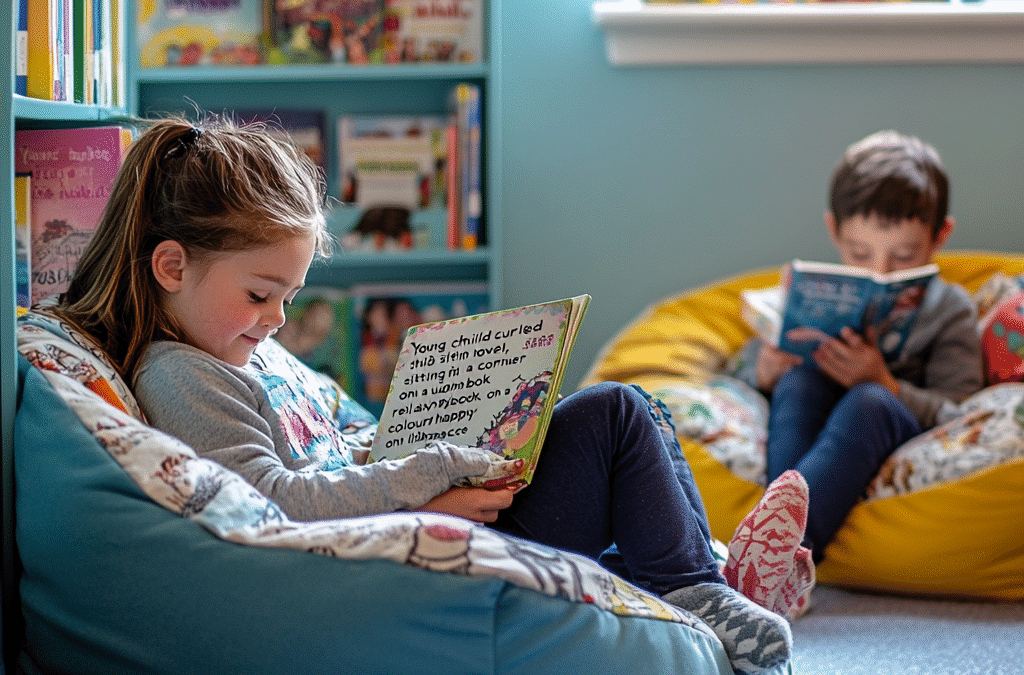
At ESB, we believe one of the best ways to get children reading is to take the pressure off. Not every child will fall in love with classic novels or race through a chapter book in a day—and that’s absolutely okay. The truth is, there’s no wrong way to read.
Some children love comics. Others prefer magazines about animals or football. Some will read the same book ten times in a row, while others dip into fun facts or even recipes! It all counts. If they’re reading, they’re learning, growing, and building confidence. And when it’s their choice, they’re far more likely to enjoy it.
Letting children explore their own interests helps them connect with reading in a natural way. It also shows them that their likes and preferences matter. Whether it’s a book about dinosaurs, a funny graphic novel, or a how-to guide on Minecraft, it’s all valid. Reading should feel like discovery, not a test.
So, if your child is reaching for something unexpected, don’t stop them—cheer them on! Ask questions, read alongside them, and let their curiosity lead the way. That’s how lifelong readers are made: by following joy, not rules.
At ESB, we’re here to celebrate every kind of reader. Because when children read what they love, they learn to love reading.
🌟 Free Resource for Parents & Educators
Seeking a gentle approach to support your child’s emotional well-being and learning journey?
We’re offering a free download of Positive Thoughts: Mindfulness Quotes and Daily Affirmations for Inner Peace—a beautiful, calming resource designed to help young learners feel empowered, grounded, and more confident every day.
Perfect for home education, EOTAS, or simply creating mindful family routines.
👉 [Download it here for free]
by Helen Kenworthy | May 27, 2025 | Education
At Education Selection Box (ESB), we believe that every child deserves a chance to learn—no matter where they come from, how they learn, or what challenges they face.
That’s why we’re all about making education fair, equal, and welcoming for everyone.
Everyone Learns Differently – And That’s Totally Fine
Some children are great with numbers. Some love stories. Others might need more time, more support, or a different way of doing things. We don’t think there’s just one “right” way to learn.
At ESB, we create fun, flexible learning resources that work for all kinds of learners. Whether your child is confident or still finding their feet, we’ve got something for them.
We Stand for Equality in Education
It’s simple: all children should have the same opportunities, no matter what. That means treating every child with respect, meeting their needs, and giving them the tools to succeed.
We don’t leave anyone out. We support children with special needs, those learning English, those who’ve struggled in school, and those who just need a different approach.
Learning Should Feel Good
We believe that learning should feel exciting—not stressful or scary. That’s why we make our activities creative, positive, and easy to use. We want every child to feel proud of their progress, in their own way and at their own pace.
Making a Real Difference
We’re here for the families who need a bit of extra help. For the children who don’t fit into the usual system. For the parents who just want their kids to enjoy learning again.
Because when education is fair, children feel seen, supported, and confident.
At ESB, we’re doing education differently—because every child matters.
🌟 Free Resource for Parents & Educators
Seeking a gentle approach to support your child’s emotional well-being and learning journey?
We’re offering a free download of Positive Thoughts: Mindfulness Quotes and Daily Affirmations for Inner Peace—a beautiful, calming resource designed to help young learners feel empowered, grounded, and more confident every day.
Perfect for home education, EOTAS, or simply creating mindful family routines.
👉 [Download it here for free]
by Helen Kenworthy | Jan 29, 2025 | Education
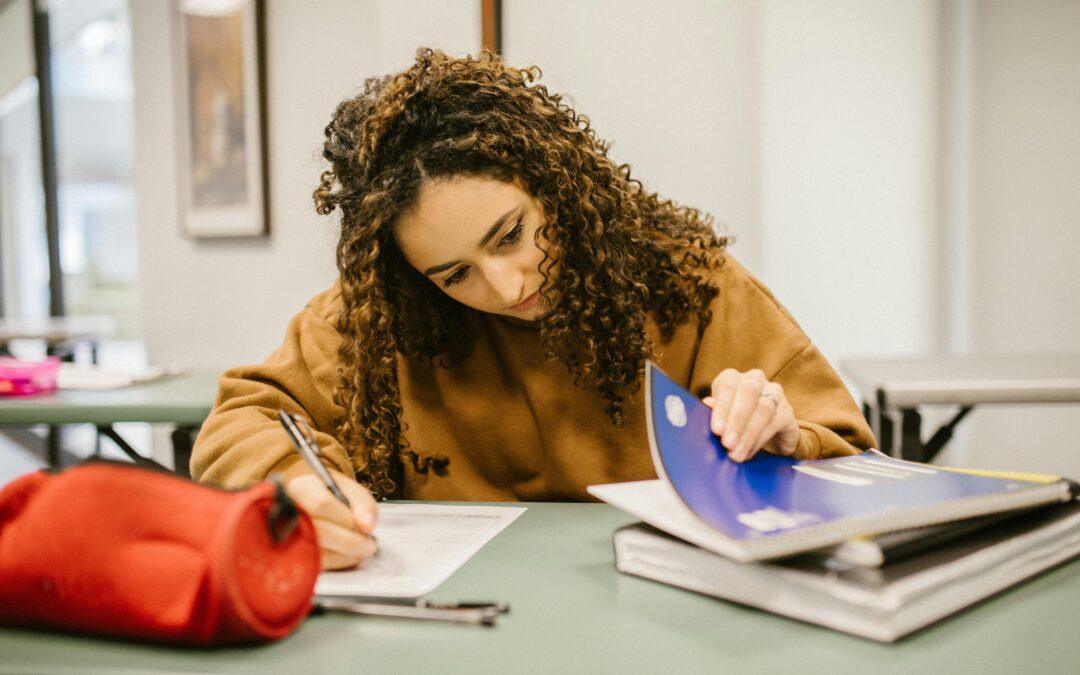
Setting goals is like setting a path to success. Without a clear plan, you might feel lost or stuck. SMART goals can help you avoid that and keep you focused. Let’s examine what SMART goals mean, how to make them, and how to stick with them.
What Do SMART Goals Stand For?
SMART goals are specific, practical, and achievable. Here’s what each letter means:
- S – Specific: Be clear about what you want. Instead of “I want to do better in maths,” say, “I want to get 75% or higher in my next maths test.”
- M – Measurable: Add a way to measure your progress. For example, “Finish five practice problems a day.”
- A – Achievable: Your goal should be possible. Don’t aim for perfection; strive for progress.
- R – Relevant: Your goal should match your priorities. For example, focus on a subject where improvement will make a big difference.
- T – Time-bound: Add a deadline to create urgency. For example, “Achieve this by the end of the term.”
Steps to Make SMART Goals
Creating SMART goals isn’t hard, but it does take some thought. Here’s how to do it:
- Think About What You Want: Start with what’s most important to you. Do you want to improve in a subject, learn a new skill, or manage your time better?
- Be Specific: Write down exactly what you want to achieve. A vague goal like “do better in school” won’t help. Be clear about the subject, skill, or grade you’re targeting.
- Set a Timeline: Decide when you want to achieve your goal. For example, “Learn 10 new French words by Friday.”
- Break It Down: Divide big goals into smaller steps. For instance, if you aim to finish a project in a month, plan what to do each week or day.
- Add Action Steps: Write what you need to do to reach your goal. For example, “Revise for 30 minutes a day” or “Read one chapter per week.”
- Use Visuals: Create a checklist, calendar, or progress tracker to keep things fun and visible. Colour in a box or tick off a step as you complete it.
- Make It Fun: Add something enjoyable to the process. If you’re studying, use colourful notes or listen to soft music while working.
- Plan for Obstacles: Think about what could go wrong and prepare for it. If you might run out of time, plan shorter study sessions or ask for help.
- Be Flexible: Sometimes, life happens, and you need to adjust your goal. That’s okay! Just shift the timeline or simplify the steps.
- Share It: Tell a friend, parent, or teacher about your goal. They can encourage you and keep you accountable.
How to Stick to Your Goals
Starting is easy—sticking to it can be harder. Here’s how to stay on track:
- Make It Part of Your Routine: Link your goal to a daily habit. For example, revise for 20 minutes right after dinner.
- Check Your Progress Regularly: Look at your tracker every few days to see how far you’ve come.
- Celebrate Every Win: Reward yourself when you hit milestones. Treat yourself to your favourite snack, take a break, or enjoy something fun.
- Get Back Up If You Slip: If you miss a step, don’t give up. Just pick up where you left off and keep going.
- Motivate Yourself: Remind yourself why you set the goal. Write it down or imagine how great it’ll feel to achieve it.
- Stay Positive: Focus on what you’ve accomplished, not just what’s left to do. A positive mindset can keep you going.
- Ask for Support: If you feel stuck, talk to someone who can help—like a teacher, friend, or family member.
- Reassess Your Goals: If something isn’t working, don’t be afraid to tweak your goal. It’s better to adjust than to abandon it.
SMART goals make success feel possible, not overwhelming. Start with something small, follow the steps, and enjoy the process. You’ve got this! What’s your first SMART goal? Share it below!
🌟 Free Resource for Parents & Educators
Seeking a gentle approach to support your child’s emotional well-being and learning journey?
We’re offering a free download of Positive Thoughts: Mindfulness Quotes and Daily Affirmations for Inner Peace—a beautiful, calming resource designed to help young learners feel empowered, grounded, and more confident every day.
Perfect for home education, EOTAS, or simply creating mindful family routines.
👉 [Download it here for free]
by Helen Kenworthy | Jan 21, 2025 | Education
Confidence is like a superpower for kids. It helps them try new things, make friends, and believe in themselves. But sometimes, certain parenting habits can chip away at that superpower. Let’s ensure we build our kids up, not hold them back! Here are seven ways parents can unintentionally hurt a child’s confidence—and how to help them stay strong and positive.
- Comparing Them to Others “Why can’t you be more like…?” Ouch! Comparing children to siblings, friends, or classmates can make them feel like they’re never good enough. Every child is unique—celebrate their talents and efforts instead.
- Over-Correcting Mistakes It’s important to guide your child, but constantly pointing out every mistake can be overwhelming. Remember, mistakes are part of the learning process. Instead of focusing on perfection, encourage effort and growth. This approach will help your child feel supported and understood.
- Not Listening to Their Feelings When kids express their emotions, brushing them off with “You’re fine” or “Stop crying” can make them feel unheard. Show you care by listening and validating their feelings. “I understand why you’re upset” can make a big difference.
- Ignoring Their Achievements When your child puts in effort and doesn’t receive recognition, it can be disheartening. Remember to celebrate even the smallest victories—whether it’s completing a drawing, scoring a goal, or showing kindness to a friend. A simple ‘I’m proud of you’ can go a long way in boosting your child’s confidence.
- Setting Unrealistic Expectations Pushing children too hard or expecting perfection can make them fear failure. Please encourage them to do their best, not be the best. Remind them it’s okay to make mistakes and learn along the way.
- Lack of Encouragement Children thrive on encouragement! When they’re trying something new, be their biggest supporter. A positive ‘You’ve got this!’ can help them feel brave and capable. Encouraging independence and allowing them to make decisions and solve problems on their own will give them the confidence they need to face life’s challenges.
- Being Overprotective It’s natural to want to protect your child, but shielding them from every challenge can stop them from growing. Let them face challenges with your support so they can learn resilience and problem-solving.
Tips on How to Build Confidence Instead!
- Praise Effort, Not Just Results: Celebrate trying hard, not just winning.
- Encourage Independence: Let them make decisions and solve problems on their own.
- Be Their Cheerleader: Remind them you believe in their abilities.
Confidence grows with love, patience, and practice. Let’s help our children feel unstoppable!
🌟 Free Resource for Parents & Educators
Seeking a gentle approach to support your child’s emotional well-being and learning journey?
We’re offering a free download of Positive Thoughts: Mindfulness Quotes and Daily Affirmations for Inner Peace—a beautiful, calming resource designed to help young learners feel empowered, grounded, and more confident every day.
Perfect for home education, EOTAS, or simply creating mindful family routines.
👉 [Download it here for free]

by Helen Kenworthy | Nov 27, 2024 | Education
Hello, young learners!
Studying is an important part of learning, but it doesn’t have to be difficult or boring. Using the right techniques, you can easily remember what you’ve studied and feel more confident in your lessons. Here are some useful study tips designed just for you!
- Teach It to Someone Else
One of the best ways to remember what you’ve learned is to explain it to someone else. This could be a friend, a family member, or even your teddy bear! Teaching helps you organise the information in your mind and spot anything you don’t understand yet.
- Use Colours and Drawings
Our brains love colours! Use highlighters, coloured pens, or markers to make your notes stand out. You can underline key points, draw pictures to explain ideas or create colourful mind maps to connect topics.
- Break It Down
Don’t try to learn everything at once. Instead, break your study time into smaller parts. Focus on one topic at a time, and take short breaks to rest your brain before moving on to the next.
- Make Flashcards
Flashcards are great for quick review. Write a question or topic on one side and the answer on the other. Go through them regularly to check what you remember.
- Use Mnemonics to Remember Lists
A mnemonic is a funny or simple way to remember things. For example, to remember the order of the rainbow colours (Red, Orange, Yellow, Green, Blue, Indigo, Violet), think of the sentence: Richard Of York Gave Battle In Vain.
- Stay Active While You Study
Sitting still for too long can make you lose focus. Try standing up, walking around, or even acting out your lessons. Moving your body can help you stay alert and keep your mind sharp.
- Ask Questions
If you don’t understand something, ask for help. Teachers, friends, or family members can explain it in a way that makes sense to you. Remember, no question is too small!
- Sleep Well
Your brain needs rest to do its best work. Make sure you’re getting enough sleep, especially the night before a big test or lesson. A rested brain is a sharp brain!
- Practise Regularly
Don’t wait until the last minute to study. Review your notes often and practise what you’ve learned bit by bit. Repetition is the key to remembering things for a long time.
- Set Goals and Rewards
Set small goals for each study session, like finishing a worksheet or memorising a list of words. When you complete a goal, reward yourself with something you enjoy, like a favourite snack or a fun activity.
By using these tips, studying can become more enjoyable and less stressful. Remember, learning is like building a puzzle — piece by piece, it all comes together!
Which of these tips will you try first? Let us know in the comment section below. Keep up the amazing work, and happy studying!
🌟 Free Resource for Parents & Educators
Seeking a gentle approach to support your child’s emotional well-being and learning journey?
We’re offering a free download of Positive Thoughts: Mindfulness Quotes and Daily Affirmations for Inner Peace—a beautiful, calming resource designed to help young learners feel empowered, grounded, and more confident every day.
Perfect for home education, EOTAS, or simply creating mindful family routines.
👉 [Download it here for free]