by Helen Kenworthy | Oct 9, 2024 | Education
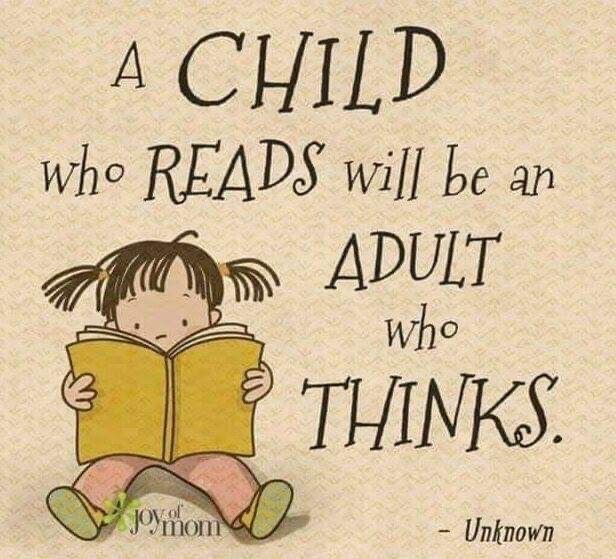
Not every child is a natural bookworm, and that’s okay! If your child struggles to find interest in reading, it’s important to keep things light, fun, and encouraging. Here are some easy tips to help spark their interest and make reading something they look forward to!
- Start Small
Don’t worry about thick books or long chapters – start with shorter stories, comic books, or even magazines. Sometimes, a simple story or funny comic can capture their attention and lead them to bigger books later.
- Let Them Choose
Children are more likely to enjoy reading if it’s about something they’re already interested in! Whether it’s animals, sports, or superheroes, let your child pick out books that match their hobbies or favourite topics.
- Read Together
Make reading a shared experience. Sit down with them and take turns reading aloud or follow along as they read to you. This can make reading feel like a fun activity rather than a chore.
- Create a Comfortable Reading Space
Set up a special spot for reading – maybe with comfy cushions, blankets, and good lighting. A comfortable environment can help them relax and focus more on the story.
- Celebrate Progress
Even if they only read a few pages, celebrate it! Let them know how proud you are. A simple “Great job!” can boost their confidence and make them feel more motivated to keep going.
- Incorporate Audiobooks
If your child isn’t into reading yet, try audiobooks! Listening to stories can still build a love for storytelling and may eventually lead them to enjoy reading on their own.
- Make Reading Interactive
Turn reading into an interactive activity! Act out scenes from the book, ask them what they think will happen next, or let them draw pictures about the story. Bringing the book to life can make it more engaging.
- Lead by Example
Children often copy what they see. If they notice you enjoying a book or magazine, they might be more curious to try it themselves. Set aside some family reading time where everyone reads something they love.
Remember, the key is to keep reading fun and pressure-free. With a little encouragement and the right approach, even the most reluctant reader can discover the joy of a good book!
🌟 Free Resource for Parents & Educators
Seeking a gentle approach to support your child’s emotional well-being and learning journey?
We’re offering a free download of Positive Thoughts: Mindfulness Quotes and Daily Affirmations for Inner Peace—a beautiful, calming resource designed to help young learners feel empowered, grounded, and more confident every day.
Perfect for home education, EOTAS, or simply creating mindful family routines.
👉 [Download it here for free]
by Helen Kenworthy | Sep 24, 2024 | Education
Studying can be a daunting task, especially when distractions lurk around every corner. But with the right strategies and techniques, you can enhance your concentration and make the most of your study time.
In this blog post, we’ll share tips to help you stay focused, motivated, and achieve your academic goals.
1. Creating a Conducive Study Environment
- Minimize Distractions: The key to effective studying is to eliminate distractions. Find a quiet place away from noise and interruptions. If you can’t find a completely silent space, consider using noise-canceling headphones or white noise apps.
- Organize Your Workspace: A clutter-free and organized workspace can significantly improve your focus. Keep your study area clean and tidy, with only the essentials within reach.
- Invest in Comfortable Tools: Using comfortable tools can make studying less taxing. Invest in a comfortable chair, good lighting, and writing utensils that you enjoy using.
2. Effective Study Techniques
- Pomodoro Technique: This popular time management technique involves working in focused 25-minute intervals followed by short breaks. This helps prevent burnout and keeps your mind sharp.
- Mind Mapping: Visualizing your thoughts and concepts through mind maps can help you connect ideas and understand complex topics better.
- Active Recall: Instead of passively rereading your notes, actively test your knowledge by quizzing yourself or explaining concepts to someone else. This helps solidify your understanding and identify areas where you need more work.
3. Mental and Physical Well-being
- Take Breaks: Short breaks can help prevent mental fatigue and improve focus. Step away from your studies for a few minutes to stretch, take a walk, or simply relax.
- Stay Hydrated: Dehydration can impair cognitive function, so make sure to drink plenty of water throughout the day.
- Get Enough Sleep: A good night’s sleep is crucial for concentration and memory. Aim for 7-9 hours of sleep each night.
- Practice Mindfulness: Mindfulness techniques like meditation can help reduce stress and improve focus. Incorporate mindfulness exercises into your study routine to calm your mind and enhance your concentration.
4. Motivation and Goal Setting
- Set Clear Goals: Break down large tasks into smaller, manageable steps. This will make your goals seem less overwhelming and help you stay motivated.
- Reward Yourself: Celebrate your achievements with small rewards to keep yourself motivated.
- Find Inspiration: Surround yourself with things that inspire you to learn. Whether it’s motivational quotes, inspirational images, or role models in your field, having sources of inspiration can fuel your motivation.
Conclusion
Imagine yourself fully immersed in your studies, effortlessly juggling multiple tasks while retaining every crucial detail. Sounds like a dream? It doesn’t have to be! By implementing these powerful strategies, you can transform your study sessions from tedious chores into dynamic learning experiences.
Remember, you’re not just memorizing facts – you’re unlocking your mind’s incredible potential. Each technique you master brings you closer to achieving your academic goals and realizing your true capabilities.
So why settle for mediocrity when you can soar to excellence? Dive deeper into each strategy, experiment with different approaches, and watch your focus and concentration soar. With dedication and persistence, you’ll be amazed at what you can accomplish.
🌟 Free Resource for Parents & Educators
Seeking a gentle approach to support your child’s emotional well-being and learning journey?
We’re offering a free download of Positive Thoughts: Mindfulness Quotes and Daily Affirmations for Inner Peace—a beautiful, calming resource designed to help young learners feel empowered, grounded, and more confident every day.
Perfect for home education, EOTAS, or simply creating mindful family routines.
👉 [Download it here for free]
by Helen Kenworthy | Aug 27, 2024 | Education, Uncategorized
Closing activities are more than just a way to fill the last few minutes of class. They serve as a powerful tool to reinforce learning, assess understanding, and leave a lasting impression. A well-crafted closing activity can transform a good lesson into a memorable one.
Let’s explore some engaging and effective closing activities to wrap up your lessons.
Why Closing Activities Matter
- Reinforcement: Closing activities provide one last opportunity to reinforce key concepts and skills.
- Closure: They signal the end of the lesson, providing a sense of completion and satisfaction.
- Assessment: They can be used to informally assess student understanding.
- Engagement: A fun and engaging closing activity can leave students eager to learn more.
Types of Closing Activities
- Summarization Techniques:
- KWL Chart: Students review what they knew, what they learned, and what they want to learn further.
- Think-Pair-Share: Students think about a question individually, discuss it with a partner, and then share their thoughts with the class.
- One-Word Summary: Students choose one word to summarize the lesson.
- Exit Slip: Students answer a short question or complete a task on a small piece of paper before leaving class.
- Review Games:
- Jeopardy: Create a game board with categories and point values. Students answer questions to earn points.
- Quizlet Live: Use Quizlet to create a live game where students compete against each other.
- Kahoot!: Create a quiz and project it on a screen. Students answer questions using their smartphones.
- Creative Activities:
- Write a Story: Students write a short story or poem based on the lesson’s content.
- Draw a Picture: Students draw a picture that represents a key concept or idea from the lesson.
- Create a Comic Strip: Students create a comic strip that tells a story related to the lesson.
- Reflection Activities:
- Journal Writing: Students write in their journals about their thoughts and feelings about the lesson.
- Mind Mapping: Students create a mind map to visualize the relationships between different concepts.
- Reflection Questions: Students answer reflective questions about the lesson.
Tips for Effective Closing Activities
- Keep it short and sweet. Closing activities should be brief and focused.
- Make it fun and engaging. Use games, activities, or creative tasks to keep students interested.
- Tie it back to the learning objectives. Ensure that the closing activity reinforces the key concepts of the lesson.
- Vary your approach. Use a variety of closing activities to keep students engaged and prevent boredom.
- Provide feedback. Give students feedback on their closing activities to help them improve their learning.
By incorporating effective closing activities into your lessons, you can enhance student learning, create a positive classroom atmosphere, and leave a lasting impression.
🌟 Free Resource for Parents & Educators
Seeking a gentle approach to support your child’s emotional well-being and learning journey?
We’re offering a free download of Positive Thoughts: Mindfulness Quotes and Daily Affirmations for Inner Peace—a beautiful, calming resource designed to help young learners feel empowered, grounded, and more confident every day.
Perfect for home education, EOTAS, or simply creating mindful family routines.
👉 [Download it here for free]
by Helen Kenworthy | Aug 14, 2024 | Education
The Importance of Reading Books for Kids
Reading is often hailed as the cornerstone of education, and for good reason. It’s a gateway to countless worlds, a catalyst for imagination, and a fundamental building block for cognitive development. When it comes to children, the importance of reading cannot be overstated. Let’s delve into the myriad benefits of cultivating a love for books in young minds.
1. Language Development and Vocabulary Expansion
- Building a Strong Foundation: Reading exposes children to a vast array of words and sentence structures, enriching their vocabulary and language skills.
- Effective Communication: A robust vocabulary empowers children to express themselves clearly and confidently, both verbally and in writing.
2. Cognitive Development and Critical Thinking
- Sharpening the Mind: Books stimulate critical thinking as children analyze characters, plotlines, and themes.
- Problem-solving Skills: Encountering challenges in stories helps children develop problem-solving strategies.
- Improved Memory and Concentration: Regular reading enhances focus and memory retention.
3. Emotional Intelligence and Empathy
- Understanding Emotions: Books introduce children to a range of emotions and help them understand their own feelings.
- Developing Empathy: By stepping into the shoes of characters, children learn to empathize with others.
- Building Resilience: Overcoming challenges faced by book characters can foster resilience in young readers.
4. Imagination and Creativity
- Fueling the Imagination: Books transport children to fantastical worlds, igniting their creativity.
- Encouraging Storytelling: Reading inspires children to create their own stories and characters.
5. Academic Success
- Stronger Foundation: A love of reading directly correlates with academic achievement in all subjects.
- Improved Test Scores: Children who read regularly tend to perform better on standardized tests.
6. How to Encourage Reading in Kids
- Make Reading Fun: Create a cozy reading nook, read aloud together, and choose books that align with their interests.
- Lead by Example: Show children the joy of reading by incorporating books into your own life.
- Visit Libraries: Regular library visits expose children to a vast selection of books and create a positive association with reading.
- Limit Screen Time: Establish a balance between screen time and reading time to prioritize book engagement.
Conclusion
Reading is an invaluable gift we can bestow upon our children. By nurturing a love for books from a young age, we empower them with essential skills, broaden their horizons, and lay the foundation for a lifetime of learning and enjoyment. Let’s make reading an integral part of every child’s life and watch their minds soar!
🌟 Free Resource for Parents & Educators
Seeking a gentle approach to support your child’s emotional well-being and learning journey?
We’re offering a free download of Positive Thoughts: Mindfulness Quotes and Daily Affirmations for Inner Peace—a beautiful, calming resource designed to help young learners feel empowered, grounded, and more confident every day.
Perfect for home education, EOTAS, or simply creating mindful family routines.
👉 [Download it here for free]
by Helen Kenworthy | Aug 6, 2024 | Education, Uncategorized
Group learning, often underestimated in favor of solitary study, is a powerful tool for enhancing academic performance. The collaborative environment fosters a unique blend of cognitive, social, and emotional benefits that can significantly boost exam results.
Cognitive Boost: Problem-Solving, Critical Thinking, and Memory Retention
The human brain is wired for social interaction, and learning in a group capitalizes on this innate ability. When faced with a challenging problem, multiple minds working together can generate a wider range of ideas and perspectives. This collaborative problem-solving not only enhances creativity but also strengthens critical thinking skills.
Moreover, explaining concepts to peers solidifies understanding. The act of verbalizing information aids in memory encoding, making it more likely to be retained. Group discussions also encourage deeper processing of information as students grapple with different viewpoints and interpretations.
The Power of Social Interaction: Motivation, Engagement, and Support
Learning in a social context is intrinsically motivating. The camaraderie and shared goals create a sense of belonging that can significantly boost enthusiasm for the subject matter. Peer support can be a lifeline during stressful exam periods, providing encouragement and reducing feelings of isolation.
Furthermore, diverse perspectives within a group can spark intellectual curiosity and ignite a passion for learning. When students feel valued and heard, they are more likely to actively engage in the learning process.
The Importance of Group Dynamics: Building a Successful Learning Community
1. Increased Motivation and Engagement
When students feel supported and valued by their peers, they are more likely to be enthusiastic about participating and contributing to group discussions.
2. Enhanced Learning
A positive group environment fosters open communication and the exchange of diverse perspectives. This exposure to different viewpoints can deepen understanding and spark intellectual curiosity.
3. Improved Problem-Solving Skills
Collaboration allows students to tackle challenges from multiple angles, leading to more creative and effective solutions.
4. Reduced Anxiety and Stress
The sense of belonging and camaraderie in a positive group can alleviate feelings of isolation and anxiety often associated with exam preparation.
5. Development of Social and Communication Skills
Group learning provides a platform for students to hone their communication skills, active listening, and conflict resolution techniques.
Tips for Effective Group Collaboration
- Define clear roles and responsibilities: Assign specific tasks to each group member to ensure everyone contributes equally.
- Encourage open communication: Create a safe space for sharing ideas and feedback without fear of judgment.
- Active listening: Encourage group members to pay attention to each other’s perspectives.
- Time management: Set clear goals and deadlines to stay focused and productive.
- Conflict resolution: Develop strategies for handling disagreements respectfully and finding common ground.
By understanding the science behind group learning and implementing effective strategies, students can harness the power of collaboration to achieve academic excellence.
🌟 Free Resource for Parents & Educators
Seeking a gentle approach to support your child’s emotional well-being and learning journey?
We’re offering a free download of Positive Thoughts: Mindfulness Quotes and Daily Affirmations for Inner Peace—a beautiful, calming resource designed to help young learners feel empowered, grounded, and more confident every day.
Perfect for home education, EOTAS, or simply creating mindful family routines.
👉 [Download it here for free]