by Helen Kenworthy | Jan 21, 2025 | Education
Confidence is like a superpower for kids. It helps them try new things, make friends, and believe in themselves. But sometimes, certain parenting habits can chip away at that superpower. Let’s ensure we build our kids up, not hold them back! Here are seven ways parents can unintentionally hurt a child’s confidence—and how to help them stay strong and positive.
- Comparing Them to Others “Why can’t you be more like…?” Ouch! Comparing children to siblings, friends, or classmates can make them feel like they’re never good enough. Every child is unique—celebrate their talents and efforts instead.
- Over-Correcting Mistakes It’s important to guide your child, but constantly pointing out every mistake can be overwhelming. Remember, mistakes are part of the learning process. Instead of focusing on perfection, encourage effort and growth. This approach will help your child feel supported and understood.
- Not Listening to Their Feelings When kids express their emotions, brushing them off with “You’re fine” or “Stop crying” can make them feel unheard. Show you care by listening and validating their feelings. “I understand why you’re upset” can make a big difference.
- Ignoring Their Achievements When your child puts in effort and doesn’t receive recognition, it can be disheartening. Remember to celebrate even the smallest victories—whether it’s completing a drawing, scoring a goal, or showing kindness to a friend. A simple ‘I’m proud of you’ can go a long way in boosting your child’s confidence.
- Setting Unrealistic Expectations Pushing children too hard or expecting perfection can make them fear failure. Please encourage them to do their best, not be the best. Remind them it’s okay to make mistakes and learn along the way.
- Lack of Encouragement Children thrive on encouragement! When they’re trying something new, be their biggest supporter. A positive ‘You’ve got this!’ can help them feel brave and capable. Encouraging independence and allowing them to make decisions and solve problems on their own will give them the confidence they need to face life’s challenges.
- Being Overprotective It’s natural to want to protect your child, but shielding them from every challenge can stop them from growing. Let them face challenges with your support so they can learn resilience and problem-solving.
Tips on How to Build Confidence Instead!
- Praise Effort, Not Just Results: Celebrate trying hard, not just winning.
- Encourage Independence: Let them make decisions and solve problems on their own.
- Be Their Cheerleader: Remind them you believe in their abilities.
Confidence grows with love, patience, and practice. Let’s help our children feel unstoppable!
🌟 Free Resource for Parents & Educators
Seeking a gentle approach to support your child’s emotional well-being and learning journey?
We’re offering a free download of Positive Thoughts: Mindfulness Quotes and Daily Affirmations for Inner Peace—a beautiful, calming resource designed to help young learners feel empowered, grounded, and more confident every day.
Perfect for home education, EOTAS, or simply creating mindful family routines.
👉 [Download it here for free]
by Helen Kenworthy | Jan 3, 2025 | Education
Hey there, champ!
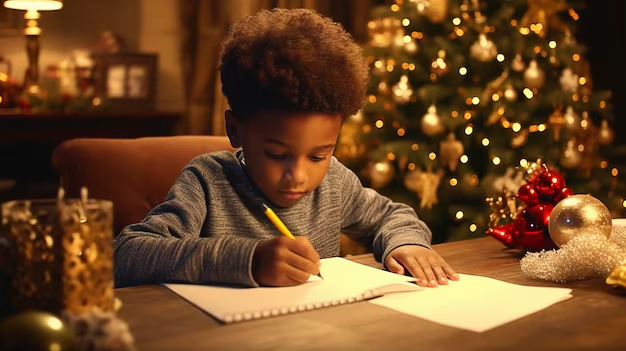
Can you believe this year is already wrapping up? It’s the perfect time to hit the pause button and think about all the cool things that happened this year. The friends you made, the fun stuff you learnt, and even the challenges you tackled are all your achievements, and there’s so much to be thankful for! Let’s take a moment to chat about what it means to be grateful and how it can help you rock the next year too.
Think About the Good Stuff
Take a moment—close your eyes if you want—and consider your favourite moments from this year. Maybe it was a fun day with friends, a project you worked hard on, or even learning something new. Even the challenging moments should be something to feel proud of.
Looking back and noticing all the good things is like filling your pocket with little treasures. Those memories remind you how awesome the year has been, even if it wasn’t always perfect.
Say Thanks to Your Biggest Cheerleaders
Now, who helped you along the way? Maybe it’s your parents who cheered you on (and packed your lunch) or your teachers who made learning fun. These people believe in you and want to see you shine.
Saying “thank you” doesn’t have to be a big deal. A smile, a kind word, or even a quick note can go a long way. It’s a small way to show them you see their effort and care.
Get Excited for What’s Next
Guess what? A brand-new school year is just around the corner, packed with possibilities! New classes, new friends, and new adventures are waiting for you. Why not take some time to think about what you want to do next year? You’ll learn something amazing, try a new club, or aim to be even kinder to your classmates.
When you’re grateful for what you’ve already done, it’s easier to get excited about what’s coming next. Gratitude makes the future feel bright and full of promise, and I’m here to tell you that it will be amazing.
You’ve Got This!
As this year ends, give yourself a little high-five for everything you’ve done. Be proud, say thanks, and prepare for the new year with a big smile. You’re going to do amazing things—trust me!
Stay awesome!
🌟 Free Resource for Parents & Educators
Seeking a gentle approach to support your child’s emotional well-being and learning journey?
We’re offering a free download of Positive Thoughts: Mindfulness Quotes and Daily Affirmations for Inner Peace—a beautiful, calming resource designed to help young learners feel empowered, grounded, and more confident every day.
Perfect for home education, EOTAS, or simply creating mindful family routines.
👉 [Download it here for free]

by Helen Kenworthy | Dec 3, 2024 | Education
While less visible than physical bullying, verbal bullying can be equally damaging and leave long-lasting effects on its victims. It involves using words to insult, demean, or intimidate someone, and it can occur in schools, workplaces, families, and social groups. Understanding the motivations behind it, such as the desire for power, the need to shield vulnerability, the seeking of attention, the imitation of learned behaviour, and internal distress, can help us address and prevent this behaviour.
- The Desire for Power
At its core, verbal bullying often stems from a need for power. Insulting or demeaning someone gives the bully a sense of control or superiority over their victim. This power imbalance can make the bully feel more secure or influential in their social circle, reinforcing the behaviour.
- A Shield for Vulnerability
Many bullies lash out to protect themselves. They may have experienced bullying or emotional hurt in the past, and using verbal aggression becomes a defence mechanism. By putting others down, they believe they can divert attention away from their own insecurities or weaknesses.
- Seeking Attention
For some, verbal bullying is a way to gain recognition, even if it’s negative. Being seen as “tough” or “outspoken” can earn them a certain reputation in their peer group. This need for attention can sometimes outweigh the consideration of how their words might hurt others.
- Imitating Learned Behaviour
Children and teenagers often mimic behaviours they observe in their surroundings. If they see adults or influential figures in their lives using hurtful language or engaging in verbal conflict, they may replicate this behaviour, believing it to be normal or acceptable.
- Internal Distress
The saying “hurt people, hurt people” rings true. Bullies are often dealing with their own emotional pain or turmoil. Verbal bullying can be an outlet for their frustrations, anger, or sadness, redirecting their distress onto others.
Addressing the Root Causes
Understanding why verbal bullying occurs doesn’t excuse it, but it sheds light on the factors perpetuating it. Effective intervention requires addressing both the bully and the victim. A bully may need help to understand the impact of their actions, while victims need reassurance that it’s not their fault as well as support to rebuild their confidence.
Moving Forward
Parents, teachers, and peers all play a crucial role in creating environments where bullying is actively discouraged, and everyone feels safe to express themselves. By promoting empathy and providing mental health support, we can reduce verbal bullying and its harmful effects on individuals and communities. Your proactive efforts can make a significant difference.
If you or someone you know is experiencing verbal bullying, remember that support is available. Reaching out is a vital first step towards change; you are not alone. You will be met with understanding and support as you navigate this difficult situation.
🌟 Free Resource for Parents & Educators
Seeking a gentle approach to support your child’s emotional well-being and learning journey?
We’re offering a free download of Positive Thoughts: Mindfulness Quotes and Daily Affirmations for Inner Peace—a beautiful, calming resource designed to help young learners feel empowered, grounded, and more confident every day.
Perfect for home education, EOTAS, or simply creating mindful family routines.
👉 [Download it here for free]