by Helen Kenworthy | Aug 8, 2025 | Education
Let’s be honest, getting kids into reading can sometimes feel like pulling teeth. But what if it didn’t have to be that hard?
Sometimes, the simplest tweaks (a.k.a. low-hanging fruits) can make a big difference. No fancy routines, no battles, no stress. Just easy, doable things you can start today to help your child enjoy books more.
Here are 5 little wins that go a long way:
- Let them pick the book
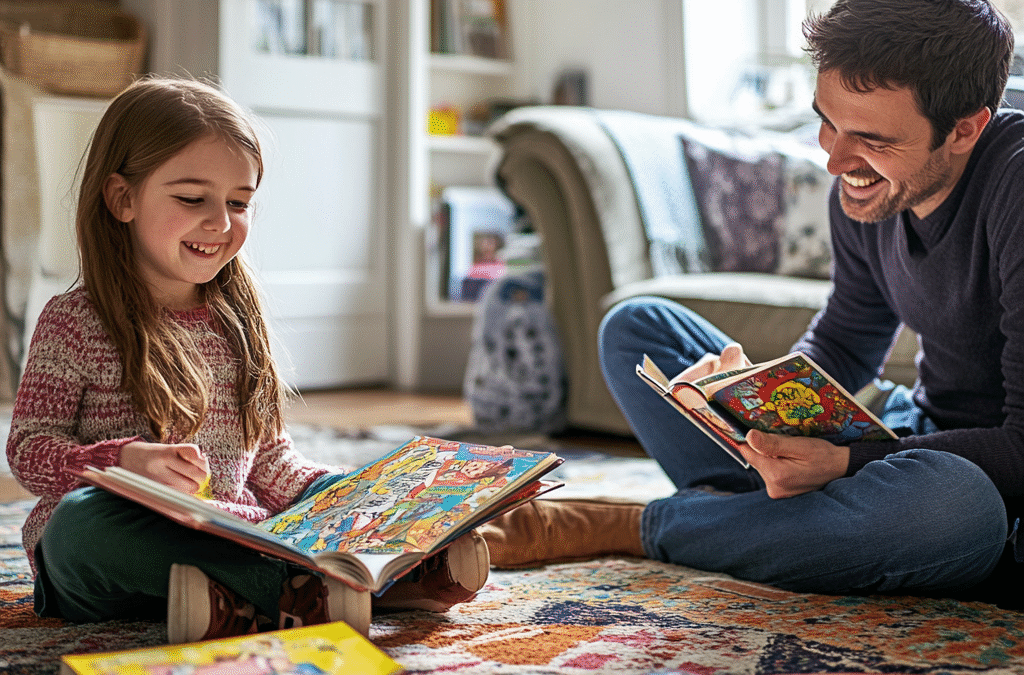
Sounds obvious, right? But it works. Kids are way more likely to read when it’s their choice. Comic books, joke books, books about slime or dinosaurs; whatever gets them curious is a win.
- Read aloud—even if they’re older
Reading aloud isn’t just for toddlers. A shared story (even for 10- or 12-year-olds) can be relaxing, bonding, and secretly educational. Bonus: you get to do silly voices.
- Leave books lying around
Yup, casually scatter them like snacks. On the coffee table, in the car, by the loo. If a book is within reach, it might just get picked up.
- Use screen time to sneak in reading
Watch a movie based on a book, then ask, “Wanna see what the book’s like?” Or find a Book reviewer your child vibes with. Screens don’t have to be the enemy.
- Celebrate the small stuff
Finished a chapter? Great. Read for 5 minutes? Amazing. Asked what a word meant? Gold star. Reading isn’t a race, cheer on every little step.
🌟 Free Resource for Parents & Educators
Seeking a gentle approach to support your child’s emotional well-being and learning journey?
We’re offering a free download of Positive Thoughts: Mindfulness Quotes and Daily Affirmations for Inner Peace—a beautiful, calming resource designed to help young learners feel empowered, grounded, and more confident every day.
Perfect for home education, EOTAS, or simply creating mindful family routines.
👉 [Download it here for free]
by Helen Kenworthy | Jul 30, 2025 | Education
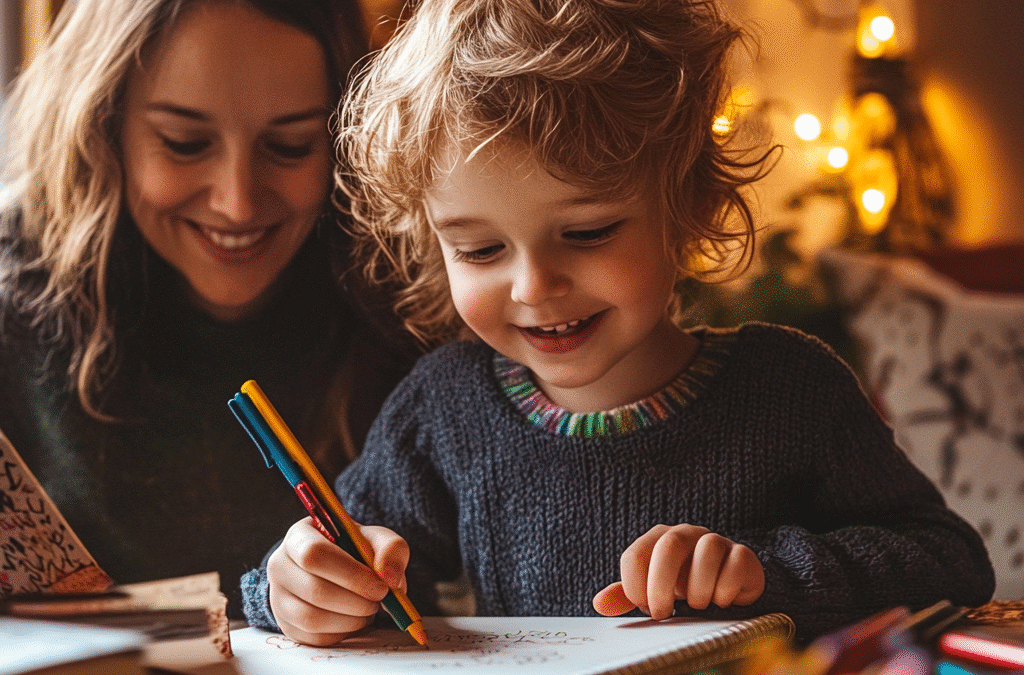
Some kids just love to write. They fill notebooks with stories, come up with characters out of nowhere, and drift off to sleep imagining their next idea. But even the most creative young writers sometimes hold back. They worry their writing isn’t good enough or that no one will understand what they’re trying to say.
That’s where we come in. Whether you’re a parent, carer, or teacher, you don’t have to be a writer to help a young storyteller grow in confidence. A little support goes a long way.
Let them write what they love
If they’re into superheroes or sloths, let them write about that. It’s their story, not a school assignment.
Cheer them on
Celebrate the effort, not just the finished piece. Writing takes courage.
Let their words be heard
Read their story out loud at home or print it into a mini book. When they’re seen, their confidence grows.
Focus on the heart
Don’t worry about spelling. Ask what inspired them or what happens next.
Keep it light
Even ten minutes a week can build a habit. Writing should feel fun, not forced.
At ESB, we believe every child has a story worth sharing. Sometimes all they need is someone to say, “Go on, tell it.”
🌟 Free Resource for Parents & Educators
Seeking a gentle approach to support your child’s emotional well-being and learning journey?
We’re offering a free download of Positive Thoughts: Mindfulness Quotes and Daily Affirmations for Inner Peace—a beautiful, calming resource designed to help young learners feel empowered, grounded, and more confident every day.
Perfect for home education, EOTAS, or simply creating mindful family routines.
👉 [Download it here for free]
by Helen Kenworthy | Jul 23, 2025 | Education
Ever heard your child say “I can’t do it” before they’ve even tried?
Yep—we’ve all been there. That wobble of self-doubt, the fear of getting it wrong, the quiet worry that they’re just not good enough. But at Education Selection Box, we’re on a mission to turn those “I’m not sure” moments into confident “Of course I can!” ones.
How? It’s all about how we teach.
Our tutors don’t just explain things—they cheer you on, break it down, and make learning feel doable. No pressure, no judgement. Just patient, kind support that meets every learner where they are.
Whether it’s tackling tricky spellings, building reading confidence, or figuring out fractions, we help children grow in skills and self-belief. Because when a child feels seen, understood, and encouraged, everything changes.
Suddenly, they’re putting their hand up. They’re giving it a go. They’re smiling when they get it right—and trying again when they don’t.
That’s the real magic: watching a young person go from “I’m not good at this” to “I’ve got this.”
Because with the right support, they really can.
And we’re here to remind them every step of the way.
🌟 Free Resource for Parents & Educators
Seeking a gentle approach to support your child’s emotional well-being and learning journey?
We’re offering a free download of Positive Thoughts: Mindfulness Quotes and Daily Affirmations for Inner Peace—a beautiful, calming resource designed to help young learners feel empowered, grounded, and more confident every day.
Perfect for home education, EOTAS, or simply creating mindful family routines.
👉 [Download it here for free]
by Helen Kenworthy | Jul 16, 2025 | Education
Let’s face it—not every child falls in love with reading straight away. And that’s OK. At ESB, we believe there’s no wrong way to become a reader. Sometimes all it takes is a gentler, more playful approach to help reading feel fun again.
Here are 7 easy, pressure-free ways to get started:
- Let them choose what they read
Comics? Song lyrics? Football stats? It all counts. Giving your child the power to choose builds interest and ownership.
- Read together—no matter their age
Snuggling up and reading aloud isn’t just for little ones. Big kids love it too (even if they won’t admit it). It’s bonding time with hidden learning.
- Make it visual
Graphic novels and picture-heavy books are fantastic. They help children connect stories to images and keep the experience exciting.
- Leave books lying around
Pop books in the car, by the bed, in the bathroom—even the cereal box if you want. The more books feel part of everyday life, the more likely they’ll dip in.
- Talk about books like you talk about films
“What did you think of that ending?” “Would you be friends with that character?” Chatting casually about stories helps build deeper thinking without feeling like school.
- Don’t stress about reading levels
It’s okay to read “easy” books or revisit old favourites. What matters is that they’re enjoying it—not ticking off a level.
- Celebrate effort, not speed
It’s not a race. If they read one page and feel proud—amazing. Confidence comes from being seen, not being rushed.
At ESB, we’re passionate about making reading feel joyful, relaxed, and real. Whether it’s through creative writing, 1:1 tuition, or helping children find their kind of story—we’re here to support the journey.
Because once they discover the right book… everything changes
🌟 Free Resource for Parents & Educators
Seeking a gentle approach to support your child’s emotional well-being and learning journey?
We’re offering a free download of Positive Thoughts: Mindfulness Quotes and Daily Affirmations for Inner Peace—a beautiful, calming resource designed to help young learners feel empowered, grounded, and more confident every day.
Perfect for home education, EOTAS, or simply creating mindful family routines.
👉 [Download it here for free]
by Helen Kenworthy | Jul 9, 2025 | Education
We all have days when we feel sad, mad, or worried. Maybe a friend was mean, school feels too hard, or you’re just grumpy for no reason. That’s normal! But it’s good to know how to feel better when big feelings show up.
Sometimes big feelings make you want to hide or pretend they’re not there. But feelings are important because they’re your brain and body’s way of telling you that something matters. When you pay attention to your feelings and take care of them in good ways, you’ll feel stronger and ready for anything. Taking care of your feelings is just as important as taking care of your body!
Here are some easy ways to help when you feel overwhelmed:
1. Talk to Someone You Trust
Tell a friend, teacher, or someone in your family how you’re feeling. Talking about it can make things feel lighter.
2. Get Moving
Run, jump, dance, or stretch. Moving your body can help shake off stress and make you feel happier.
3. Take a Quiet Break
If everything feels too much, find a quiet spot. Sit, breathe slowly, and try to relax your body.
4. Draw or Write
Draw pictures or write about how you feel. It doesn’t have to be perfect — just putting it on paper can help.
5. Name Your Feelings
When you’re upset, try saying in your head, “I feel angry” or “I feel worried.” This helps you understand your feelings better.
Remember, it’s okay to have big feelings — everyone does! What matters is finding good ways to handle them. You’re not alone, and you can always find healthy ways to feel better.
🌟 Free Resource for Parents & Educators
Seeking a gentle approach to support your child’s emotional well-being and learning journey?
We’re offering a free download of Positive Thoughts: Mindfulness Quotes and Daily Affirmations for Inner Peace—a beautiful, calming resource designed to help young learners feel empowered, grounded, and more confident every day.
Perfect for home education, EOTAS, or simply creating mindful family routines.
👉 [Download it here for free]