by Helen Kenworthy | Aug 19, 2026 | Brilliantly Underestimated
If a young person can’t sleep properly and can’t eat properly, they cannot concentrate. It sounds obvious when you say it plainly, but it’s easy to forget when we’re focused on grades, work produced and progress made.
One of our ESB students has a complex diagnosis that affects their sleep, their eating and their concentration. Their medication is reviewed regularly, and as they get older and their hormones change, that means periods where everything they’ve adjusted to gets turned upside down again. This was one of those periods. A week where the basics, sleeping and eating, simply weren’t happening properly.
For a young person managing academic subjects, that kind of week can easily mean falling behind, or worse, feeling like they’ve failed before they’ve even started. So when this student worked through every single one of their scheduled sessions that week, staying engaged, asking questions, researching and producing genuinely strong work, it mattered. But here’s the part we want other parents, carers and educators to sit with: even if the work hadn’t been strong that week, showing up through it would still have counted as a win.
Just as important, this student felt able to tell us honestly that it had been a hard week. That kind of openness only happens when a young person trusts that their learning support isn’t going to judge them for struggling.
This is the thinking behind how we structure support at ESB. Sessions built around what a young person actually needs that week, not a fixed pace they’re expected to keep up with regardless of what else is going on for them.
Want to hear the full story here: https://youtu.be/oH1jjH_rbn8
by Helen Kenworthy | Aug 6, 2026 | Brilliantly Underestimated
Not every young person can walk into a classroom every day. That doesn’t mean they stop deserving a proper education.
That’s exactly why Education Selection Box exists. We support young people with English, maths, history and other core subjects. Some of our learners are in school. Some can’t be in school at all, for all kinds of reasons. Either way, they get real academic support, built around them.
Real support, not a rigid system
Traditional education can feel like a one-size-fits-all stencil. Same pace, same structure, same expectations for everyone. For a lot of young people, that just doesn’t fit.
So we do things differently. We offer subscription materials, one-to-one support, and full courses. Learners can dip in where they need help most. Or they can work through a structured plan with someone alongside them the whole way.
It’s flexible by design. Because a young person who can’t sit in a classroom for six hours a day can still be brilliant at maths. They just need support that meets them where they are.
Academic success needs a steady mind first
You can’t learn well when your head is somewhere else. That’s why our academic support never stands alone. It sits alongside real mental health support, safe learning spaces, and practical life skills.
We call it a life toolkit. It helps young people manage problems head-on, in a safe way, so the academic work actually has a chance to land.
Beyond the classroom, into the world of work
We also know GCSEs and A-levels aren’t the only route that matters. That’s why we offer alternative provision, mentoring, and traineeships. Think of a traineeship as our version of an apprenticeship. It’s step-by-step support, helping young people build transferable skills and move confidently into the world of work.
Why this keeps getting recognised
We don’t do this work for recognition. But when it comes, it confirms something important. It tells us the approach is working, and that young people genuinely need it.
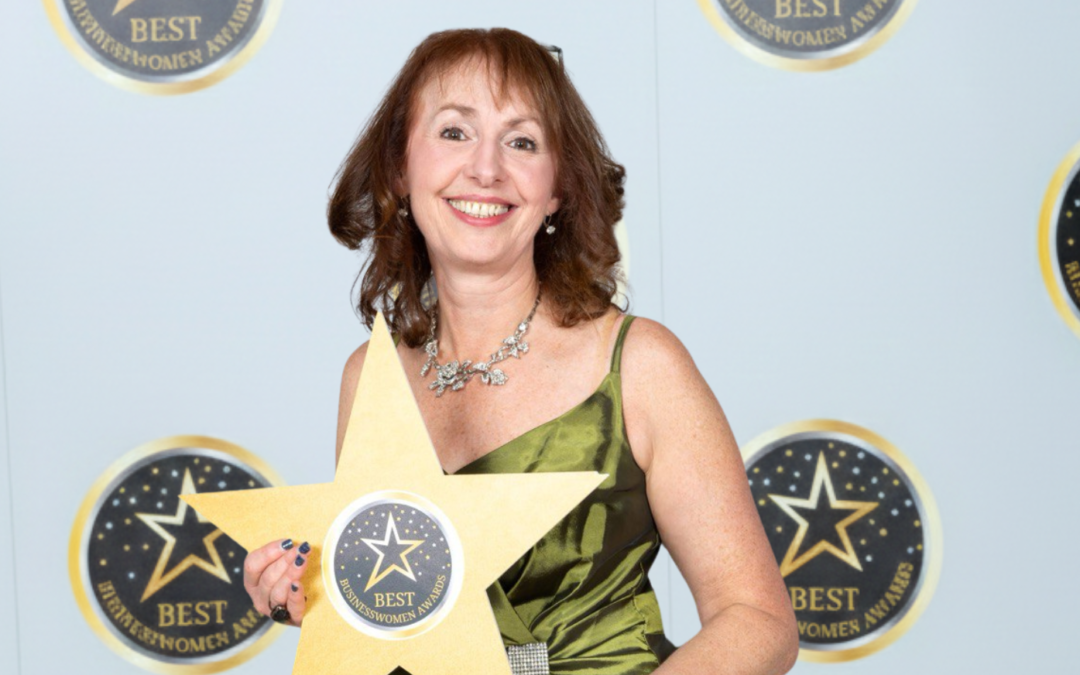
That’s shown up in recognition for our alternative provision and mentoring work, and in awards celebrating the full package we offer alongside our partners RYTC and Give Get Go Education. Together, we bring creative methodology, academic support, SEND expertise and real-world pathways into one place.
Every bit of that recognition points to the same thing. Young people getting a real education, on terms that actually work for them.
That’s the story behind Education Selection Box. Want to hear it in our own words? Watch the video below.
🎥 Watch the video
by Helen Kenworthy | Jul 30, 2026 | Brilliantly Underestimated
In her latest video, Helen shared five things that make her smile, and one answer stood out for a slightly unexpected reason. She never properly learned how to throw a ball. Instead of giving up, she found her own way of doing it, one that worked for her even though it looked nothing like the “correct” technique.
That idea sits right at the heart of what we do at Education Selection Box. So many young people believe there is only one right way to learn something, and if that way doesn’t work for them, they assume they simply can’t do it. Helen’s story is proof that this isn’t true. Finding your own way of doing something, even if nobody else does it the same way, is still a completely valid way of getting there.
This matters especially for young people who can’t always be in a traditional school setting. Subjects like English, maths and history don’t have to be taught or learned in just one way. Our subscription materials, one to one support and courses are built around finding what genuinely works for each individual learner, not forcing everyone through the same method.
Because sometimes, like Helen with her ball throwing, the way that works for you is the right way, full stop.
Watch the full video here: https://youtu.be/FG7GMaD62GQ
by Helen Kenworthy | Jul 23, 2026 | Brilliantly Underestimated
Everyone settles best in a different environment. Some people need quiet and structure. Some need noise and movement. There is no single setup that works for every learner, and that is exactly the message running through Helen’s latest video, filmed on one of her walks with her dog.
In it, she describes a recent conversation with one of her students. This particular young person is normally chatty and full of jokes, but on this occasion she was withdrawn and clearly preoccupied. It took time, patience, and a good bit of trust before the reason finally came out.
Not every “good news” feels like good news
Her family had booked a half term holiday, something most children would be thrilled about. For this student, it triggered real anxiety. A new place, a broken routine, and the prospect of meeting unfamiliar people was overwhelming rather than exciting.
It is easy to assume that what looks like a treat will always feel like one. This moment is a good reminder that assumptions can miss what a young person actually needs to feel steady and in control.
Why this matters for learning
That same principle sits right at the centre of how Education Selection Box works. Academic progress rarely comes from pushing every student through the same routine, the same pace, or the same environment. A young person who is anxious, overwhelmed, or out of their comfort zone is not in a place to take in a maths lesson or write an essay.
ESB starts by understanding the individual, what settles them, what stresses them, and how they learn best, before ever getting to the subject content. Once that foundation of trust and routine is there, English, maths, and every other school subject become far more achievable.
Watch the full story
Helen explains this far better in her own words. Watch “Where Is Your Happy Place?” here: https://youtu.be/xniWRoapxgU
If you know a young person who needs academic support built around how they actually learn, not a generic template, get in touch to find out how Education Selection Box can help: https://helenkenworthy.com/
by Helen Kenworthy | Jul 9, 2026 | Education
Inclusion is not only about whether a child is present in the classroom.
It is about whether they can access the learning, feel supported enough to try and build confidence in a way that makes sense for them.
Across education, schools and families are being asked to think more carefully about inclusion, SEND support, access, belonging and outcomes. This creates an important opportunity to look beyond broad statements and ask what support actually looks like for the child in front of us.
For many children and young people, especially those with SEND, those who are neurodivergent, those in alternative provision, those navigating home education or those who have struggled in traditional settings, learning support needs to be personal, patient and practical.
They may not need lower expectations.
They may need a different route in.
They may need information presented differently, tasks broken down more carefully, confidence rebuilt slowly or support that recognises how they learn best.
This is where Education Selection Box can help.
Education Selection Box supports children, young people, families and schools with learning support that is thoughtful, flexible and child-centred. The focus is on helping learners access education in a way that feels possible, while building confidence, independence and trust in their own ability.
For some learners, the barrier is not lack of intelligence. It may be anxiety, overwhelm, gaps in confidence, previous negative experiences, processing differences or simply a learning environment that has not yet met them where they are.
When support is designed around the learner, things can begin to change.
A child who avoids writing may begin to share ideas when the task feels manageable.
A learner who has lost confidence in reading may begin to take small steps forward when pressure is reduced.
A young person who has been described by their difficulties may begin to recognise their strengths again.
That matters.
Inclusion is not just about giving every learner the same thing. It is about giving each learner the support they need to participate meaningfully.
At Education Selection Box, learning support is built around patience, creativity and understanding. Whether a child needs help with school subjects, confidence, SEND-aware learning, home education support or a more creative way into academic progress, the aim is to make learning feel more accessible and less overwhelming.
This work is part of the wider Creative Pathway Methodology: Of Course You Can!™ serving the brilliantly underestimated.
Through this approach, academic support does not sit alone. It connects with confidence, wellbeing, creativity and future possibility, helping young people move forward in a way that recognises the whole learner.
For schools, families, organisations and local partners reviewing inclusion, SEND support, learner engagement or academic confidence, this is a powerful moment to think about what support is actually in place.
Are learners being given the right access points?
Are they being supported to build confidence as well as complete tasks?
Are we noticing the child behind the challenge?
Education Selection Box can support schools, families and organisations looking to offer thoughtful, flexible and confidence-building learning support for children and young people who need to be understood differently.
Start the journey today and get in touch with Helen and the team to explore how Education Selection Box can support your school, family, organisation or learner.
Contact us here:
https://helenkenworthy.com/contact-me/
Find out more about our work here:
https://helenkenworthy.com/
Creative Pathway Methodology: Of Course You Can!™ serving the brilliantly underestimated